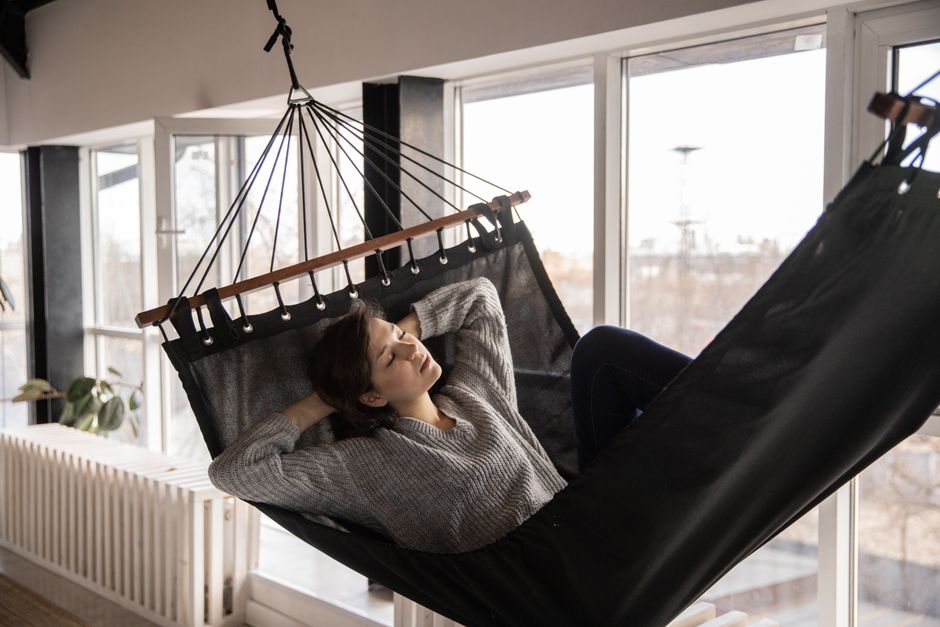
It's a familiar scene on the Central Coast: the afternoon sun warming the Gosford waterfront, the sound of waves drifting from Terrigal Beach, and the irresistible urge to close your eyes. But before you surrender to that nap, experts suggest asking yourself an important question: will this sleep help or hurt?
Sleep medicine research shows napping exists in a sweet spot. A 20-30 minute nap—what sleep specialists call a "power nap"—can boost alertness, improve mood, and enhance cognitive function. For shift workers at local aged care facilities or those managing the physical demands of coastal hospitality jobs, strategic napping can be genuine medicine. Yet the same nap at 4 p.m. can derail your 11 p.m. bedtime, leaving you staring at the ceiling hours later.
"Timing is everything," explains the principle of sleep architecture. A nap taken between 1 and 3 p.m. aligns with your body's natural circadian dip, when afternoon melatonin begins rising. Walk the Gosford to Terrigal beachside path at lunch, grab a coffee at a local café, then nap before the sun reaches its late-afternoon angle, and you're working with your biology, not against it.
The length matters too. Naps exceeding 90 minutes push you into deep sleep stages, leaving you groggy and throwing off nighttime sleep architecture. But here's the catch: even 20 minutes at 5 p.m. can trigger "sleep inertia"—that foggy, disoriented feeling—while simultaneously stealing sleep pressure from your night.
Local wellness enthusiasts often find napping unnecessary when they prioritize evening routines. Those cycling around Tuggerah Lake or hiking Bouddi National Park's cliff paths report better sleep quality with consistent daytime activity and no afternoon dozing. Conversely, retirees and parents juggling multiple roles often find a modest nap non-negotiable for functioning safely—particularly important for those involved in activities like surf lifesaving at Avoca or Terrigal clubs, where alertness is literally life-saving.
The real question: are you napping because you're sleep-deprived at night, or napping because you're genuinely tired from physical exertion? One signals a problem worth investigating with your GP; the other is your body asking for recovery.
For most Central Coasters, the sweet spot is clear: keep naps brief (under 30 minutes), time them early afternoon, and reserve them for days when evening activity or shift work genuinely demands extra rest. Your midnight self will thank you.
This article was compiled by AI and screened before publishing. See our editorial standards.