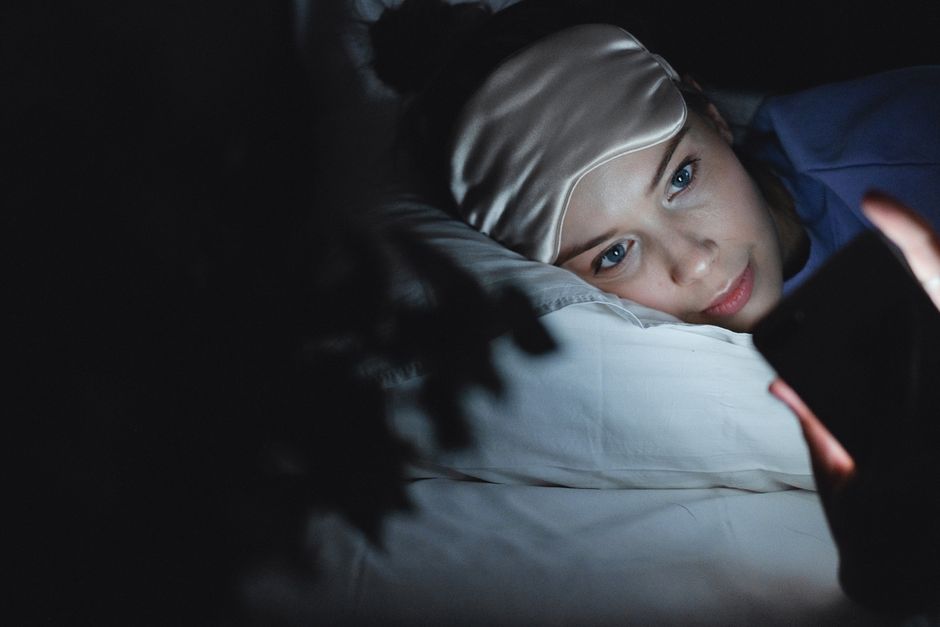
If you've spent the last decade feeling guilty about checking your phone before bed, there's some good news: the relationship between screens and sleep is far messier than the doom-scrolling headlines suggest.
The popular narrative is straightforward: blue light from your phone disrupts melatonin production, tanks your sleep quality, and leaves you wired until midnight. But recent research reveals a more complex picture—one where timing, content, and individual biology matter far more than device use alone.
A landmark 2024 meta-analysis found that blue light itself has minimal impact on most people's circadian rhythms. What *does* matter? The psychological content you're consuming. Scrolling through news feeds or work emails triggers cortisol spikes and activates your sympathetic nervous system—your fight-or-flight response. Reading a novel on your tablet? That's far less disruptive, even with the same blue light exposure.
For Central Coast residents juggling work stress, family commitments, and the endless scroll, the implication is important: it's not the screen itself sabotaging your 10pm bedtime at your Gosford or Terrigal home. It's the *stimulation*.
Dr. Matthew Walker's sleep research at UC Berkeley—widely cited by Australian sleep clinicians—emphasises that consistent bedtime routines matter more than any single behaviour. The Gosford Sleep and Respiratory Centre reports that around 40% of Central Coast patients cite "racing thoughts from evening work" rather than "phone use" as their primary sleep disruptor.
So what does evidence-backed sleep hygiene actually look like? Consistency beats perfection. If you're a 9pm screen user, staying consistent at 9pm produces better sleep than an erratic pattern of sometimes-screens, sometimes-not. Temperature regulation—keeping your bedroom around 16–18°C—rivals any app-based intervention. And light exposure matters most in the *morning*: a walk along the Gosford to Terrigal beachside path after sunrise syncs your circadian clock far more effectively than avoiding your phone at night.
The research also shows that "doom-scrolling anxiety" itself disrupts sleep. If checking your phone triggers guilt or worry, that psychological load is your real sleep thief, not the photons hitting your retinas.
The takeaway? Rather than doomscrolling guilt, focus on three evidence-backed practices: keep a consistent bedtime, manage your bedroom temperature, and get morning light exposure. If you're struggling despite these basics, consult a local GP or sleep specialist—the Gosford Private Hospital Sleep Clinic offers comprehensive assessment. Your sleep quality depends far less on whether you're holding a screen and far more on what you're doing with it.
This article was compiled by AI from the sources linked above and screened before publishing. See our editorial standards.