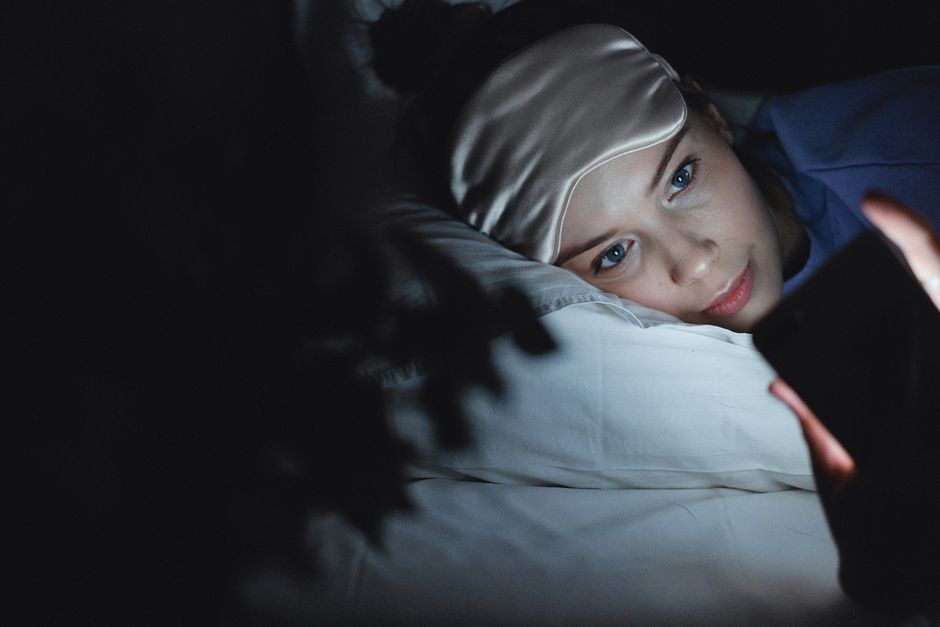
If you've spent the last few years believing that doom-scrolling before bed is ruining your sleep, you're not alone. The narrative around screens and sleep has become almost dogmatic on the Central Coast and beyond. Yet emerging research paints a more complicated picture than simply "put your phone away."
The core concern centres on blue light—the wavelength emitted by smartphones, tablets and laptops—and its effect on melatonin production. The theory goes: blue light suppresses melatonin, the hormone that signals sleep time, keeping us wired when we should be winding down. It sounds logical. But recent meta-analyses suggest the relationship is far weaker than initially believed, particularly at the light intensities most of us experience at home.
What the research actually emphasises is the behavioural component. A 2024 study published in *Sleep Health* found that the *content* of evening screen use matters more than the screen itself. Doom-scrolling through news feeds or work emails triggers stress responses and cognitive engagement—factors that genuinely delay sleep onset. Watching a film or reading an article, by contrast, showed minimal sleep disruption when other variables were controlled.
"The issue isn't necessarily the light," says one sleep researcher cited in recent literature. "It's the mental stimulation and the displacement of wind-down time."
For Central Coast residents juggling work, family and the lure of evening activities—whether that's a late swim at Avoca or Terrigal, a walk along the Gosford to Terrigal foreshore, or catching up on admin from the couch—this distinction matters. An hour of scrolling through stressful content at 10 p.m. will disrupt your sleep more than the blue light itself. An hour of passive viewing won't.
The practical takeaway: sleep quality depends less on *when* you use screens and more on *what* you're doing and *how stressed* you feel while doing it. Setting boundaries around stimulating content in the final hour before bed may be more effective than ditching screens entirely.
If you're struggling with sleep, consider tracking not just screen time but your *emotional state* while using devices. Are you anxious? Scrolling work emails? Comparing yourself to others online? Those behaviours—not the blue light—are your real sleep disruptors.
For personalised sleep advice, consult a local GP or sleep specialist. In the meantime, the evidence suggests that moderating *what* you engage with online may be far more powerful than simply switching off earlier.
This article was compiled by AI from the sources linked above and screened before publishing. See our editorial standards.