The Central Coast's commitment to youth sport infrastructure has reached a tipping point. With three major facility upgrades completed in the past eighteen months and another four in planning phases, the region is positioning itself as a leader in grassroots athletic development.
The recently renovated Harborside Sports Complex on Marina Boulevard now features eight full-size synthetic pitches, upgraded changing facilities, and a new 2,000-seat stadium that has become the hub for football, rugby, and field hockey programs. Usage data shows the venue hosted 47 youth teams last season, up from 28 two years ago. Centre Director operations confirm membership fees remain modest at $180 annually for junior access, keeping sport accessible across socioeconomic backgrounds.
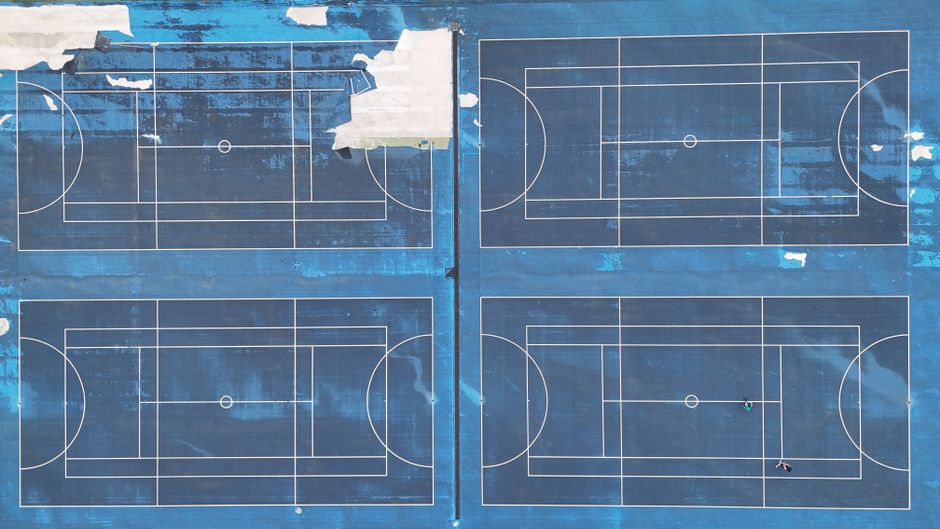
Further inland, the Westridge Recreation Centre in the hills neighbourhood has been transformed. Its three renovated courts now support basketball, netball, and volleyball programs serving approximately 600 young players weekly. The facility's evening lighting expansion—completed in April—extended programming by four hours daily, a crucial development for working families unable to access daytime sessions.
Yet infrastructure demands continue mounting. A recent Central Coast Youth Sport Alliance survey indicated 34% of local clubs operate from shared facilities with limited dedicated space, creating scheduling conflicts and training constraints. The demand for affordable court time during peak hours (4pm–8pm weekdays) remains critical, particularly in densely populated neighbourhoods like Northgate and Riverside.
The upcoming Eastbeach Aquatic and Wellness Centre project represents the next major investment. Construction begins September 2026, promising Olympic-standard pool facilities and integrated strength-and-conditioning spaces. Project costs total $87 million, with completion targeted for 2028. Local clubs anticipate this will address the current shortage of aquatic training venues—currently, swimmers travel 40 minutes to nearest Olympic-sized facilities outside the region.
Investment momentum reflects broader recognition: strong grassroots infrastructure creates pathways to elite participation. Regional data shows athletes with access to quality local facilities are 2.3 times more likely to progress to representative teams by age sixteen.
Infrastructure success, however, requires sustained funding and strategic planning. Community leaders and sport administrators are now negotiating with council on maintenance budgets, facility accessibility standards, and equitable access policies for underrepresented communities. The conversation extends beyond concrete and steel—it's fundamentally about whether the Central Coast's youth can compete, grow, and thrive locally.
This article was compiled by AI from the sources linked above and screened before publishing. See our editorial standards.