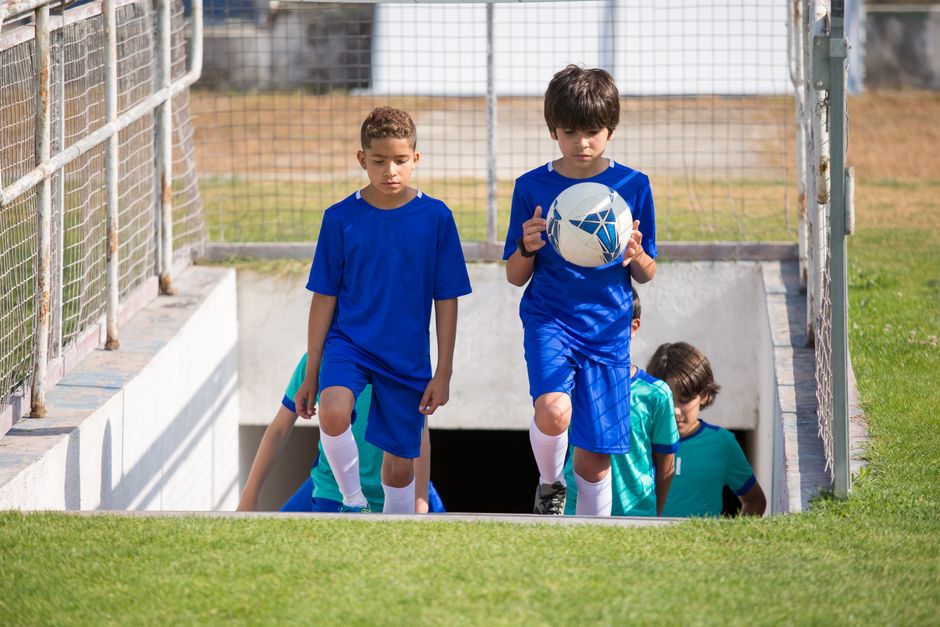
The morning sun reflects off puddles dotting the western field at Harbourside Sports Complex, where twelve-year-olds navigate around worn patches of grass during Tuesday training. It's a familiar scene across Central Coast's youth sports landscape—talented young athletes developing their craft in facilities that, by most standards, are long overdue for modernisation.
Central Coast's grassroots sports ecosystem supports over 4,500 registered youth players across football, netball, rugby union, and cricket. Yet the infrastructure underpinning these clubs tells a story of deferred maintenance and stretched resources. Parkway District's three main playing fields, which host eight separate youth organisations, operate with synthetic surfaces installed in 2009. Meanwhile, the ageing changerooms at Westridge Recreation Ground lack adequate heating, creating barriers for winter sport participation among younger age groups.
Club administrators report consistent challenges. Facility hire costs have risen 34 percent over the past four years, with premium slots at Central Coast Stadium now exceeding $280 per hour. Smaller community clubs operating from Fernleaf Park and Chapman Valley increasingly absorb these costs rather than pass them to families, many of whom already pay annual membership fees ranging from $150 to $450 depending on the sport.
"Infrastructure investment has become the critical conversation nobody wants to have," explains operational leadership at the Central Coast Youth Sports Collective, an umbrella organisation coordinating fifteen member clubs. The Collective's recent facilities audit identified drainage failures, inadequate lighting for evening training, and limited disability access across seven major venues.
Some progress is evident. The $6.2 million renovation of Anchor Bay Reserve, completed last year, introduced new floodlighting and upgraded changerooms—a project that took five years from conception to completion. The facility now hosts 340 junior players weekly. Yet this remains an exception rather than the norm across Central Coast's patchwork of public and privately managed sporting venues.
The financial pressure extends to smaller clubs operating from church halls and school grounds. Mid-Coast Junior Rugby Union, based at Thornfield Primary, shares facilities with academic programs, limiting training schedules and creating space constraints that discourage participation from ages eight to ten.
Local councillors acknowledge the infrastructure deficit, though solutions remain politically contentious. A proposed $12 million sports facilities masterplan has been under review since early 2025, with questions persisting about funding mechanisms and prioritisation. Meanwhile, young athletes continue developing their skills on pitches that, while passionately maintained by volunteer committees, increasingly struggle to meet modern standards for safe, inclusive youth sport.
This article was compiled by AI from the sources linked above and screened before publishing. See our editorial standards.