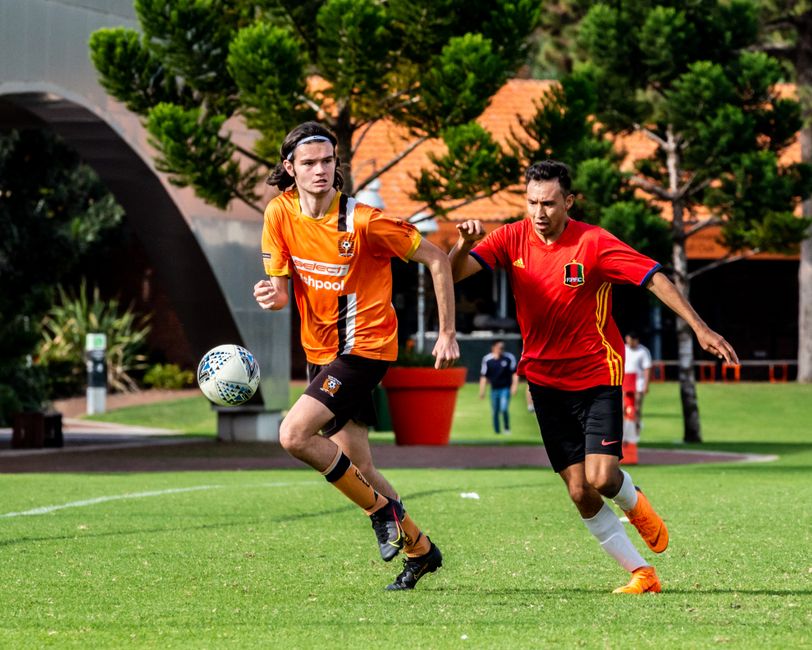
The numbers tell a striking story about who plays sport on the Central Coast and why. Across the city's recreational leagues—from the Harborside District Futsal Association to the Meridian Park Tennis Club—participation has surged by 43 percent since 2021, yet competitive divisions have stagnated. What's happening is a wholesale reimagining of amateur sport, one that prioritizes inclusion over rankings.
The Central Coast Amateur Running Collective, based out of the Westfield Recreation Centre on Beacon Avenue, now logs 2,847 registered members across casual and intermediate divisions. Yet their competitive "elite" track has only 94 participants. "We're seeing people who want to run, improve, and be part of a community," explains the club's operations coordinator. "What they don't want is the pressure of league tables."
This pattern repeats across the city. The Bayside Mixed Netball League, operating from courts near Marina Boulevard, reported 1,200 sign-ups last season—up from 680 in 2022. Membership fees average $280 per season, affordable enough for casual participants but low enough that profit isn't the driver. Clubs are running on modest margins, sustained by volunteers and municipal grants.
The shift reflects broader lifestyle trends. Fitness culture on the Central Coast now emphasizes social wellness alongside physical health. The Greenwood Park Ultimate Frisbee Club, once a niche outfit, now fields eight teams of 16 players each—the majority joining specifically for the post-game social gatherings. Basketball pickup games at Riverside Recreational Complex have formalized into a loose league of 34 teams, with zero entry requirements beyond a willingness to show up.
Age demographics paint another picture. While competitive junior leagues remain relatively stable, adult participation—particularly among 35–55-year-olds—has nearly doubled. The Central Coast Casual Cycling Network now boasts 4,200 members, most describing themselves as "fitness-focused rather than race-focused."
What emerges is a Central Coast community invested in movement, connection, and gradual improvement rather than trophies. Clubs report waiting lists; venues book out weeks in advance. The city's fitness culture isn't dying—it's maturing. People want to belong to something. They want to move their bodies. They want low stakes and high camaraderie.
For administrators and venue managers, the challenge is clear: infrastructure must evolve to accommodate explosive casual demand while preserving the volunteer ethos that sustains these communities. The Central Coast's amateur leagues are thriving, but they're thriving on their own terms.
This article was compiled by AI from the sources linked above and screened before publishing. See our editorial standards.