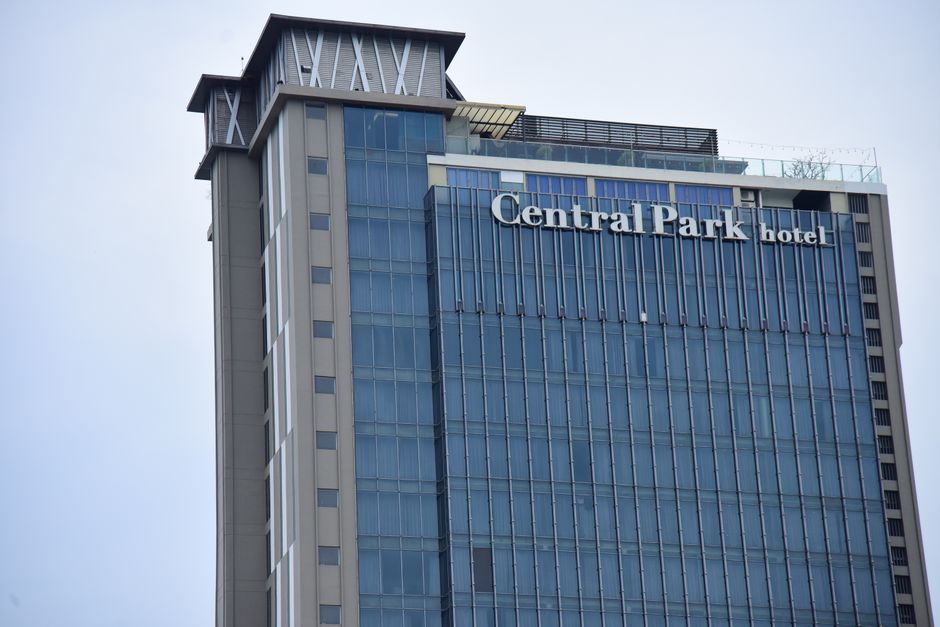
The green light for a 23-storey residential tower in central Gosford marks a turning point for the Central Coast property market. The $180 million development, planned for a site near the Gosford waterfront precinct, will deliver 280 apartments ranging from studios to three-bedroom dwellings—the largest single residential project to gain approval in the region in over a decade.
For a market where the median house price sits around $820,000, the arrival of significant apartment supply represents a structural shift. Developers have long viewed the Central Coast as a sleeping giant: close enough to Sydney for fast-rail commuters, far enough to offer genuine space and value. The new tower taps into that logic, with pre-launch interest already suggesting buyers and investors see opportunity.
The timing matters. Interest rates remain elevated, and recent buyer hesitation has softened price growth across NSW. Yet the Central Coast has proven more resilient than many regions, buoyed by Sydney spillover demand and work-from-home flexibility. The Gosford renewal corridor—anchored by the new waterfront precinct, improved public spaces along Church Street, and the promise of fast-rail connections—has attracted institutional interest for the first time in years.
Apartment delivery at this scale typically reshapes local dynamics. Currently, the Central Coast market remains heavily weighted toward detached houses; apartments account for less than 15 per cent of sales volume. The new tower and planned sister projects will challenge that ratio, creating a more diversified housing stock. For first-home buyers priced out of $800k houses, that's meaningful. For investors seeking yield in a lower-cost market, it's a new asset class.
Questions linger. Will apartment supply cannibalize house prices in suburbs like Terrigal and Avoca Beach, or simply absorb latent demand that would otherwise flow elsewhere? Will new residents reinvigorate Gosford's CBD, or choose to live here while shopping and dining in Sydney? How will local services—schools, healthcare, parking—absorb growth?
The developer's confidence is notable in a softer market. It suggests conviction that Central Coast fundamentals remain sound: demographic tailwinds, infrastructure investment, and a lifestyle premium over western Sydney remain intact. The tower itself won't solve affordability—one-bedroom apartments are expected to launch in the mid-$500,000s—but it signals that the region's long-promised transformation may finally be materializing.
For property observers, the real test comes next. If this tower leases quickly and subsequent projects follow, the Central Coast enters a new chapter. If it stalls, the region reverts to familiar patterns of supply shortage and price pressure. Either way, the market is no longer just about weathering cycles; it's about managing growth.
This article was compiled by AI and screened before publishing. See our editorial standards.