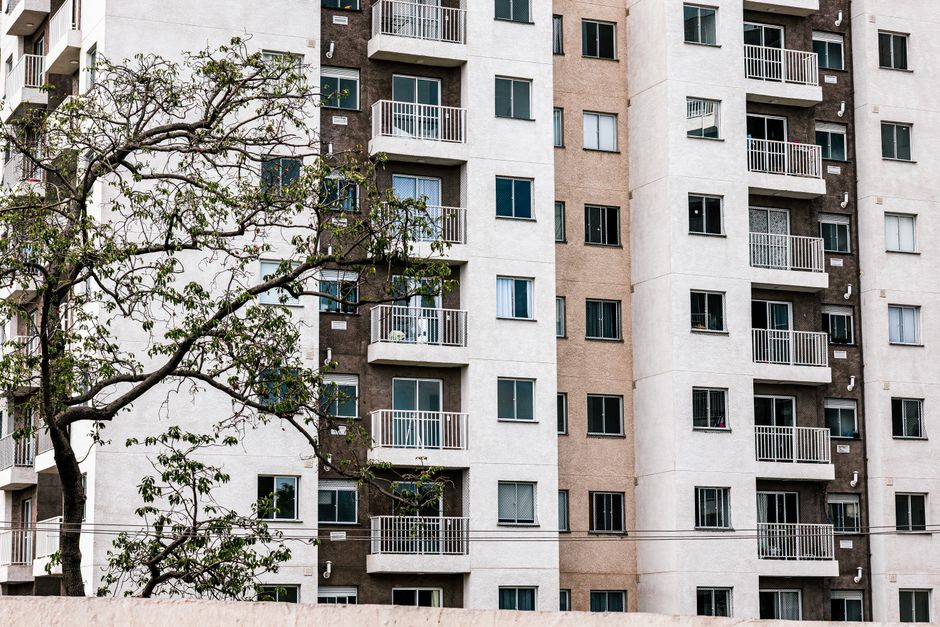
The Central Coast rental market is at a crossroads. With NSW median property values hovering around $820,000 and local waterfront suburbs like Terrigal and Avoca Beach commanding premium prices, first-time buyers face a sobering reality: homeownership feels impossible. Enter build-to-rent (BTR) developments—a growing alternative that's reshaping how tenants think about long-term housing.
Unlike traditional residential developments sold to individual investors, BTR communities are purpose-built and retained by institutional operators who manage them as rental portfolios. The model is gaining traction on the Central Coast, particularly around Gosford's city renewal precinct and emerging corridors along the fast rail corridor connecting Sydney.
For renters, the appeal is tangible. Purpose-built apartments typically include amenities rarely found in older rental stock: communal gardens, childcare facilities, co-working spaces and gym facilities. Developers argue these justify slightly higher rents—typically $450–$550 per week for one-bedroom units in premium locations—by offering stability and quality that scattered-house rentals cannot match.
"The difference is longevity," says one Sydney-based BTR operator. "Tenants aren't competing in a bidding war every 12 months. We offer fixed-term leases with rent predictability, which is invaluable."
On the Central Coast, this matters enormously. The region's pandemic boom attracted young families priced out of Sydney, but many still rent while saving for deposits. A BTR development near Gosford Station—promising walkability to shops, parks and transport—could offer a genuinely affordable pathway to stable housing without the pressure to buy immediately.
However, sceptics note concerns. Build-to-rent rents, while competitive for new apartments, aren't necessarily cheaper than existing rentals in suburbs like Wyoming or The Entrance. Additionally, the model concentrates housing control with large operators, potentially reducing tenant bargaining power over time.
The NSW Government has backed BTR as policy, offering tax incentives to encourage development. Whether this translates to genuine affordability for Central Coast renters—or merely another investment vehicle—remains to be seen.
For now, renters facing the choice between chasing impossible homeownership or cycling through landlord-managed houses may find BTR a pragmatic middle ground. The question isn't whether these developments offer something new, but whether they'll actually make housing more accessible or simply create a prettier version of rental precarity.
This article was compiled by AI from the sources linked above and screened before publishing. See our editorial standards.