news
Gosford CBD Renewal Faces Critical Decisions Shaping Next Decade
After years of false starts and planning resets, Central Coast's most ambitious urban project faces a defining set of choices that will shape the region for decades.
How we reported this
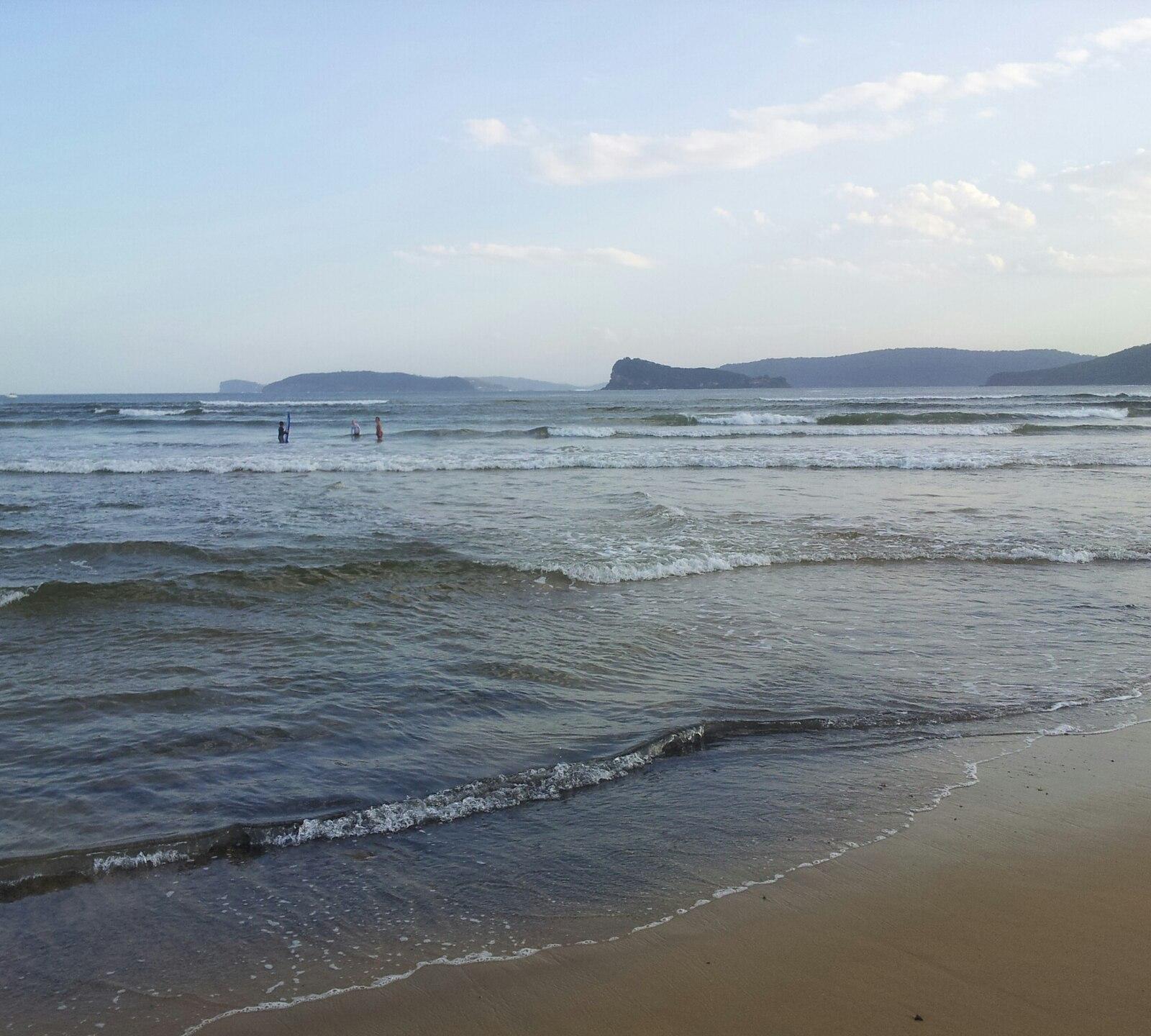
Central Coast Council must now decide whether to press ahead with its Gosford CBD renewal framework or risk another round of delays that could push the precinct's transformation well past 2030. The pressure is real. With Sydney recording its hottest June since 1859 this week and housing affordability continuing to drive commuter demand up the F3, the case for a liveable, climate-resilient Gosford has never been more pressing, and the window for decisive action is narrowing.
The renewal push did not emerge from a vacuum. Council only exited state administration in 2022 after a financial crisis that wiped tens of millions of dollars from the region's reserves and froze major capital decisions for years. That institutional trauma still echoes through Mann Street and across Kibble Park, where streetscape upgrades have moved in fits and starts. Any new planning instrument, development deal or infrastructure commitment now carries the weight of that history, and the scrutiny that comes with it.
What's Actually on the Table
The core decisions break down into three areas: land use zoning around the Gosford waterfront precinct, the future of the long-discussed fast rail corridor between Gosford Station and Sydney's Central, and how the council integrates its Local Housing Strategy with the NSW Government's broader Transport Oriented Development policy, which took effect in April 2024 and rezones land within 400 metres of certain train stations for higher-density housing.
Gosford Station sits squarely within that 400-metre zone. Under the TOD framework, that means uplift pressure on surrounding blocks along Baker Street and Mann Street is already baked into state policy, regardless of what the council does or doesn't do next. The question is not whether density comes to central Gosford, but who controls the design, the infrastructure sequencing, and the community benefit provisions attached to it.
Central Coast Council's own Community Strategic Plan, which runs to 2032, nominates the Gosford City Centre as the region's primary urban renewal focus. But nominating something and funding it are different propositions. The council's infrastructure backlog, which the state-appointed administrator identified as a critical pressure point during the 2020-22 intervention, has not disappeared. Capital works priorities are competing with basic service delivery across a local government area that stretches from Wyong to Patonga.
The Timeline That Matters
Three decisions are due before the end of 2026 that will effectively set the trajectory. Council is expected to finalise its revised Development Control Plan for the Gosford City Centre by the fourth quarter, a document that will determine building heights, setbacks, and heritage protections for streets including Donnison Street and the historic blocks near Gosford Court House. Separately, Transport for NSW has flagged updated corridor protection studies for the proposed faster rail connection, a project that has been discussed since at least 2018 but has never attracted committed federal or state capital funding beyond feasibility work.
The third pressure point is climate adaptation. The Bureau of Meteorology's long-range outlook for 2026-27 points to continued above-average temperatures across coastal NSW, and the Central Coast's existing flood mapping, particularly around Brisbane Water and the Narara Creek catchment, is under review. Any large-scale waterfront development in Gosford needs to answer questions about inundation risk that current planning documents do not fully resolve.
For residents watching from suburbs like Kariong, Woy Woy and East Gosford, the practical stakes are straightforward: will the area near the Gosford waterfront become the kind of place where people actually want to live and work, or will it cycle through another decade of artist impressions and stalled development applications? Council's next budget session, scheduled for late July 2026, is the first real test of whether the rhetoric around renewal is backed by line items. Watch for whether any capital is allocated to the Mann Street public domain works, and whether a project director position for the CBD framework is funded. Those two small signals will say more than any strategy document about what actually happens next.