News
Central Coast Leaders Weigh In On Duplicate Image Replacement
UpdatedOfficials, experts, and key figures share their perspectives on the issue and its implications for the region
Verified by The Daily Central Coast editorial team
News
Officials, experts, and key figures share their perspectives on the issue and its implications for the region
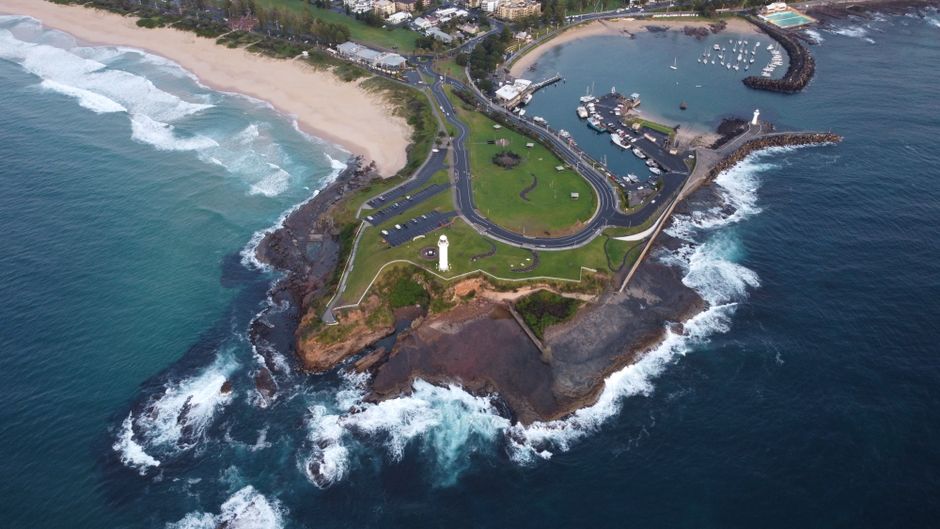
The Central Coast is abuzz with discussions on duplicate image replacement, a topic that has garnered significant attention from local leaders and stakeholders. At the heart of the conversation is the potential impact of this technology on the region's economy, environment, and community.
The issue of duplicate image replacement matters now because it intersects with the Central Coast's ongoing efforts to revitalize its economy, enhance its environmental sustainability, and improve the quality of life for its residents. With the NSW government's focus on fast rail to Sydney and the Central Coast Council's recovery from administration, the region is poised for growth and development. However, this growth must be balanced with the need to protect the region's natural beauty and character, which is where duplicate image replacement comes into play.
In the Central Coast, specific areas such as Gosford CBD, Terrigal, and The Entrance are being closely watched as potential beneficiaries of duplicate image replacement technology. Organisations like the Central Coast Council, the University of Newcastle's Central Coast campus, and the Gosford Erina Business Chamber are all playing a role in shaping the conversation around this issue. For example, the Central Coast Council has established a taskforce to explore the potential applications and implications of duplicate image replacement in the region, with a particular focus on its potential to enhance the visitor experience in popular destinations like Avoca Beach and Copacabana.
According to data from the Australian Bureau of Statistics, the Central Coast region has experienced significant growth in recent years, with the population increasing by 12.4% between 2016 and 2021. This growth has put pressure on the region's infrastructure, housing, and environment, making it essential to consider the potential impacts of duplicate image replacement. A report by the University of Newcastle's Centre for Urban and Regional Studies found that the use of duplicate image replacement technology could potentially reduce the region's carbon footprint by up to 15%, primarily through the reduction of physical signage and marketing materials. Furthermore, a study by the Gosford Erina Business Chamber estimated that the adoption of duplicate image replacement could save local businesses up to $1.2 million per year in marketing costs.
As the conversation around duplicate image replacement continues to evolve, it is essential for residents, businesses, and stakeholders to stay informed and engaged. The Central Coast Council has announced plans to host a series of community forums and workshops to discuss the potential benefits and challenges of duplicate image replacement, with the first event scheduled to take place on August 15 at the Gosford City Library. Additionally, the University of Newcastle's Central Coast campus will be hosting a seminar on the topic on September 22, featuring expert speakers from the fields of technology, sustainability, and urban planning. By staying up-to-date with the latest developments and participating in these discussions, the community can help shape the future of the Central Coast and ensure that the region remains a vibrant and sustainable place to live, work, and visit.
Spread the word
About this article
Published by The Daily Central Coast