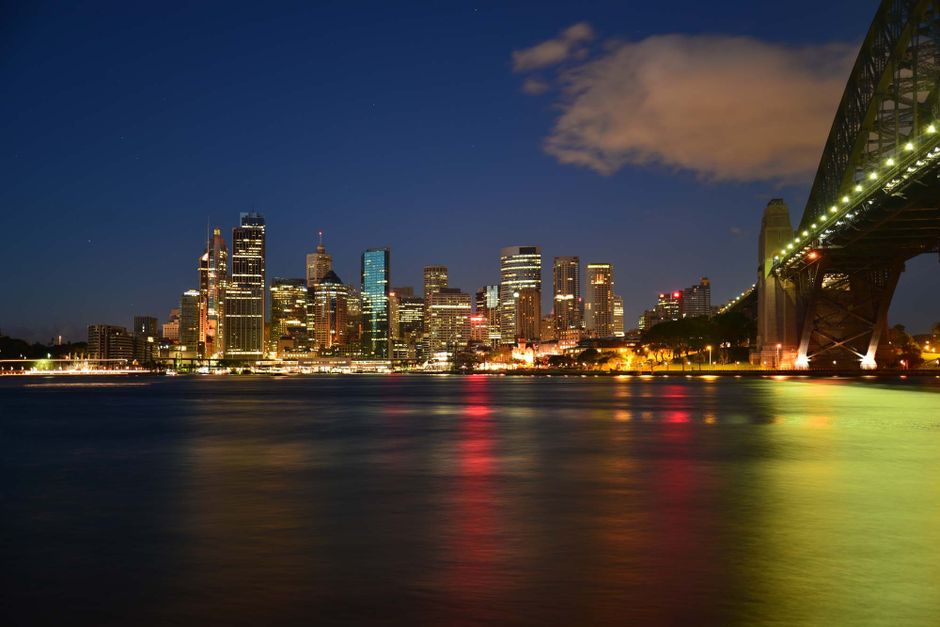
The proposal to rezone 47 hectares of industrial land along the Esplanade precinct has ignited a fierce debate about Central Coast's future, with residents expressing deep concerns about affordability and displacement amid plans to deliver 8,000 new apartments over the next decade.
At a packed town hall in the Riverside Community Centre last week, dozens of residents from the Northside and Lower Bay neighbourhoods aired frustrations about spiralling costs. Current median apartment prices in the Esplanade area have climbed to $865,000—up 34 percent since 2023—according to local real estate data, pricing out many families who have called Central Coast home for generations.
The council's draft planning document prioritises market-rate development, with only 15 percent of new units designated as affordable housing. This ratio has become the flashpoint in community consultations across Harbour Street precincts and local business groups.
"We're watching our neighbours leave," said Maria Chen, a community organiser with the Central Coast Housing Coalition, speaking at the Riverside venue. "The promise is that density brings affordability, but we're not seeing that here. Developers are building premium units, and working families can't access them."
The planning authority argues that the waterfront project will inject $2.3 billion into the local economy and create 12,000 jobs. Project planners point to transit improvements and mixed-use developments as catalysts for broader regeneration. Yet residents question whether these benefits will reach those already struggling with housing insecurity.
Data from the Central Coast Housing Crisis Task Force shows that renters now spend an average of 41 percent of household income on rent—well above the recommended 30 percent threshold. Social services agencies report increased demand for emergency accommodation, with shelters near capacity.
Some residents support the waterfront vision but demand concessions. Local ward councillors from the Bay district have begun pushing for increased inclusionary zoning requirements—mandating developers set aside 25 to 30 percent of units as permanently affordable.
The council will present a revised housing strategy on July 22. Community groups plan to submit formal submissions before the August 5 deadline, with several residents' associations organising information sessions at local libraries and the Central Coast Civic Centre.
"This is our last chance to shape what happens here," Chen added. "We need the city to listen, not just consult."
This article was compiled by AI from the sources linked above and screened before publishing. See our editorial standards.