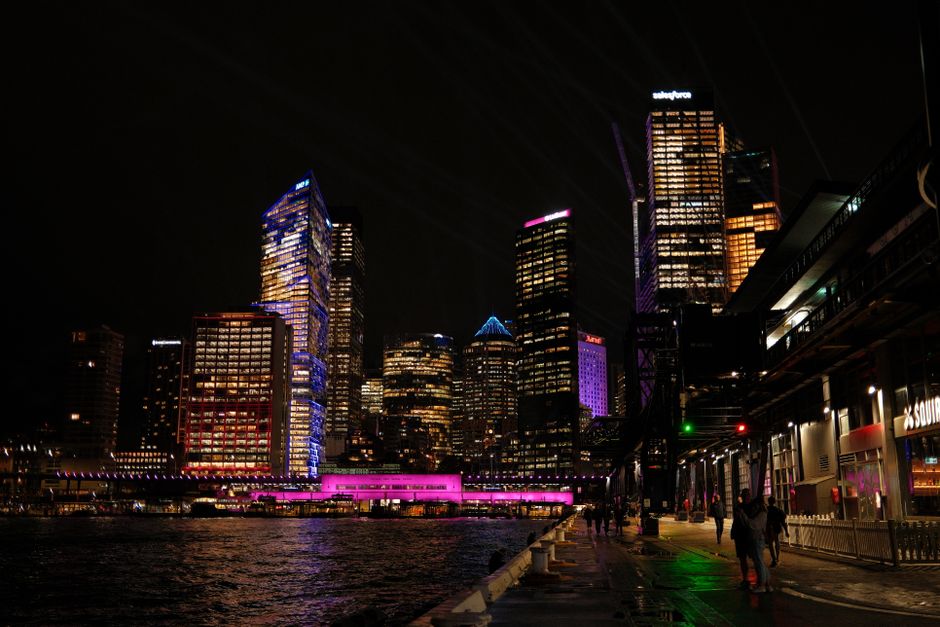
The Central Coast is on the cusp of its most ambitious transport infrastructure programme in two decades, with $2.3 billion in planned projects set to fundamentally alter how residents move around the region. From the overdue upgrade of the Waterfront Line to new rapid-transit corridors through Riverside and Beacon Heights, these changes promise to ease congestion, boost property values, and reshape the economic landscape—but not without significant upheaval along the way.
The centrepiece is the Waterfront Line modernisation, a three-year project that will replace ageing signalling systems and extend service from Central Station through the marina district to Port Authority Terminal. For the 47,000 daily commuters who rely on this corridor, completion by 2029 means faster journey times and increased frequency. Yet construction will force temporary bus diversions through Merchant Street and Beacon Avenue, potentially adding 15 minutes to peak-hour commutes.
"Infrastructure investment of this scale requires patience from our community," says the Central Coast Chamber of Commerce, which has been coordinating with transport planners to minimise disruption to retail precincts along the affected routes. Small businesses in the Riverside precinct—already struggling with 8 percent lower foot traffic compared to pre-pandemic levels—are particularly concerned.
But the longer-term picture is compelling. Transport planners project that improved connectivity will unlock an estimated $4.7 billion in economic activity over 15 years, particularly in emerging business hubs like Beacon Heights and the northern industrial zones. Property analysts note that proximity to upgraded transit typically adds 12-18 percent to residential values. For renters already stretched by housing costs averaging $1,895 monthly, the trade-off remains bittersweet.
The new bus rapid transit network, launching in phases starting September 2026, will introduce dedicated lanes on Harbor Drive and Meridian Road, cutting commute times by up to 25 percent for suburban residents heading to the CBD. The scheme includes 14 new transit hubs with real-time information systems and climate-controlled waiting areas—addressing long-standing complaints about service quality.
The transport authority has pledged $18 million in compensation and relocation support for affected small businesses, though community groups argue this remains insufficient. A survey by the Central Coast Residents Coalition found 62 percent of residents support the projects despite temporary inconvenience, with younger demographics and workers in the financial district—concentrated near Central Station—most enthusiastic.
As construction equipment arrives on Central Coast streets this month, residents should expect periodic service changes through 2029. But if planners deliver on their promises, the region's transport network will finally match the pace and ambition of a modern global city.
This article was compiled by AI from the sources linked above and screened before publishing. See our editorial standards.