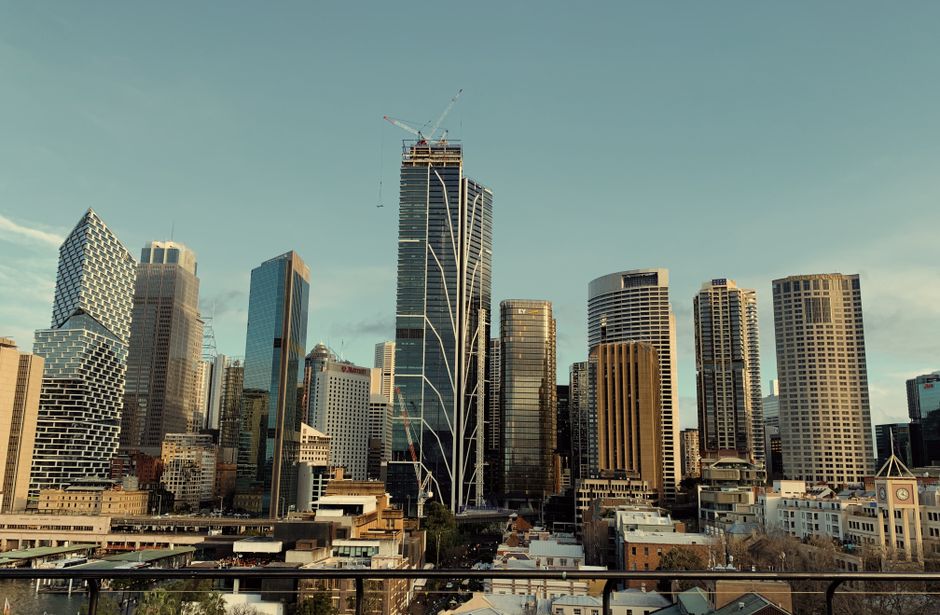
Central Coast's Harbourside precinct has undergone a dramatic transformation over the past 36 months, and the numbers tell a story far more nuanced than the glossy real estate marketing suggests. New analysis reveals both the momentum and the tensions reshaping this historic neighbourhood along the Meridian foreshore.
Property values in Harbourside have surged 34% since mid-2023, according to municipal valuation records, with median prices climbing to $1.24 million from $925,000. Yet simultaneous data from the Central Coast Community Housing Alliance shows rental vacancy rates have plummeted to just 1.8%—the lowest in a decade—while average monthly rents have jumped 18% to $2,240 for a two-bedroom apartment.
The redevelopment figures are equally striking. Since the Harbourside Master Plan approval in 2024, approximately 340 new residential units have been approved across the precinct, with 89 already completed. However, the Central Coast Planning Department notes that only 12% of these new units—roughly 41 apartments—are designated affordable housing, defined as below 80% of median income levels.
Perhaps most revealing is pedestrian traffic data. Foot traffic on Meridian Street has increased 67% compared to 2023 levels, according to sensors installed by the Central Coast Business Improvement District. Yet simultaneously, long-standing local retailers have experienced a 23% turnover rate. Since January 2024, at least eight family-owned shops on Meridian and adjacent Waterfront Lane have closed, replaced primarily by international coffee chains and contemporary art galleries.
The Park Avenue Community Centre, a 42-year-old institution operating since 1984, reported a 31% increase in neighbourhood residents using its facilities—yet its core funding remained flat at $420,000 annually. Staff surveys indicated 56% of long-term residents feel the neighbourhood is changing too rapidly.
Cultural institutions have responded unevenly. The Harbourside Heritage Museum documented a 44% rise in annual visitors (now 28,400), while grassroots community theatre group Meridian Players saw membership decline 19% year-on-year, now operating with 87 active members versus 107 in 2024.
These competing metrics sketch a neighbourhood at an inflection point. The infrastructure is improving—new cycling lanes increased bike commuting by 41%—but questions about who benefits most from Harbourside's renaissance remain embedded in the data itself. As the precinct approaches full build-out of the approved 620 residential units, community advocates argue these numbers demand clearer policy responses around affordability and cultural preservation.
This article was compiled by AI from the sources linked above and screened before publishing. See our editorial standards.