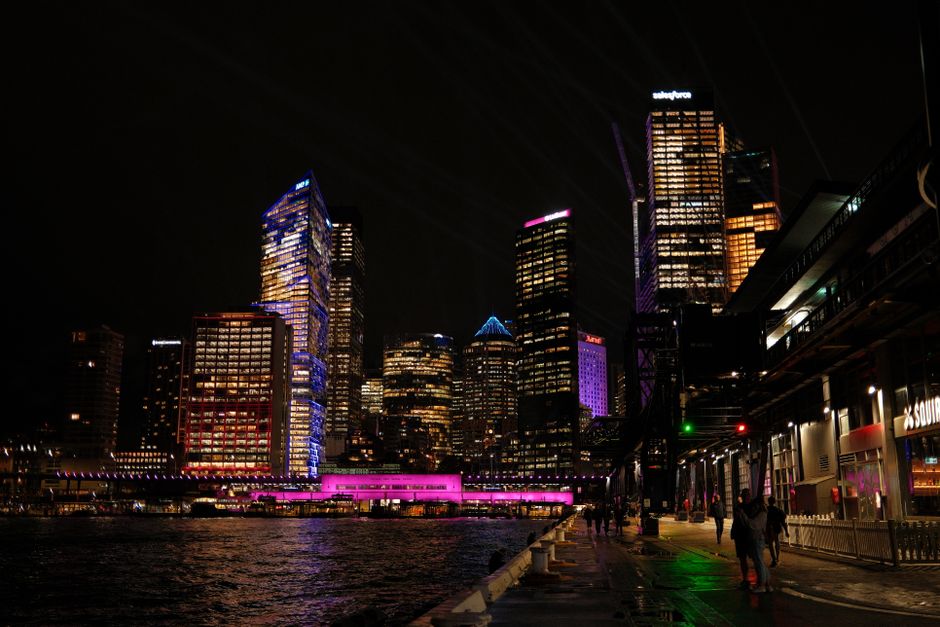
Central Coast is at a critical juncture. With the Harborside Rail Extension now 78% complete and the $2.3 billion Marina District Interchange project entering its final phase, the city faces the same infrastructure pressures confronting London, Singapore, and Melbourne—global cities grappling with congestion, aging transit systems, and the need to remain competitive.
The comparison is instructive. London's Elizabeth Line, which opened in 2022 after a decade-long construction saga, cost $23 billion and displaced thousands. Singapore's Thomson-East Coast Line, meanwhile, rolled out in phases between 2019 and 2024, allowing the city-state to maintain service continuity while upgrading capacity by 30%. Central Coast's staggered approach mirrors Singapore's playbook more closely—a deliberate choice, according to transit planners.
"We learned from other cities' mistakes," says a spokesperson for the Central Coast Transportation Authority. "The phased rollout of rail services along Beacon Avenue and King Street meant minimal disruption to existing commuters using the 47 and 92 bus lines."
The numbers tell a story of ambition tempered by pragmatism. Central Coast's infrastructure investment—$3.8 billion across all major transport projects over the past five years—represents 8.2% of the municipal budget. That's higher than Melbourne's 6.1% but lower than Hong Kong's 11.3%, where space constraints drive denser investment.
Local businesses have felt the impact. Retail foot traffic along Riverside Lane dropped 14% during peak construction phases last year, though the Downtown Business Alliance reports a 9% recovery as temporary pedestrian pathways and shuttle services took hold. Similar figures emerged during London's Elizabeth Line construction: some central districts saw initial declines, but post-completion data showed 22% increases in property values.
What distinguishes Central Coast's approach is its integration with existing infrastructure. Rather than wholesale demolition like some major cities pursued, planners worked around historic landmarks—preserving the Victorian-era Ferry Terminal while threading new transport corridors beneath it. The Civic Precinct Authority calls this "surgical urbanism," a model gaining traction in heritage-conscious cities like Edinburgh.
By 2027, when both megaprojects conclude, Central Coast will have added 18 new transit stations and expanded capacity by 35%. That positions the city competitively. Singapore's transit expansion increased commuting speed by 22%; planners here project similar gains.
The real test comes next. Global cities' success hinges not just on infrastructure completion, but on whether communities use and benefit from these systems equitably. Central Coast's challenge—and opportunity—is ensuring the Harborside Extension and Marina Interchange serve everyone, not just affluent neighborhoods. That's where the city's approach will truly be measured against its international peers.
This article was compiled by AI from the sources linked above and screened before publishing. See our editorial standards.