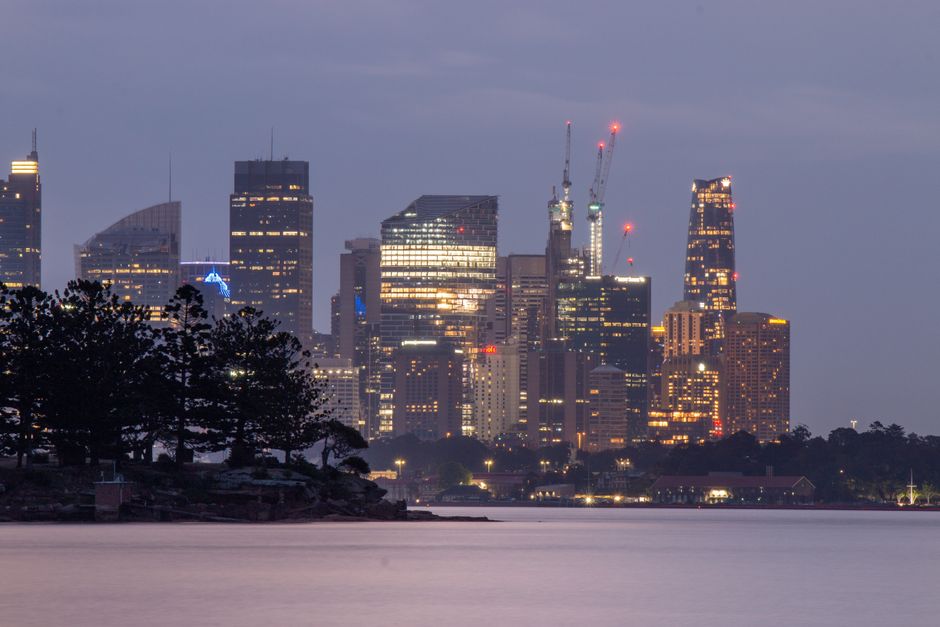
Central Coast residents woke up to a peculiar contrast this morning: a record-breaking June heatwave that feels more like a tropical July, yet a town centre that remains stubbornly committed to its winter traditions. While Sydney developers push for high-density glass towers, our local planning committees at the Central Coast Council have managed to stall three major zoning amendments this week, citing the need to preserve the heritage aesthetic of Gosford’s waterfront district.
The anatomy of a non-conformist city
Most global cities are currently suffering from a severe case of architectural homogeneity, where London, New York, and Sydney begin to look interchangeable. The Central Coast resists this by leaning into its geography. A walk down Mann Street reveals a rejection of the franchise-led retail model that plagues bigger capitals. Instead, the thriving trade at the local independent bookstore, BookFace, and the loyal following for the artisanal roasters at Bay Road Brewing suggest a community that prioritizes local craft over the convenience of international conglomerates.
The uniqueness of our region isn't just about the storefronts; it’s about the way the environment dictates our pace. Last year, the Central Coast recorded a 14% increase in residents relocating from the capital to escape the ‘corporate sprint.’ This demographic shift hasn't been met with a transformation into a commuter bedroom suburb, but rather a stubborn insistence on the 'Coast lifestyle.' Programs like the regional 'Grow Our Own' initiative have helped keep small-scale manufacturing and creative hubs alive in places like Woy Woy and Long Jetty.
Staving off the concrete sprawl
The numbers support this divergence. According to recent retail data released on July 1, the average price of a 'Coast-grown' basket of vegetables—featuring local blackberries and brussels sprouts—sits at $28, significantly lower than the inflated prices seen in metro Sydney markets. It’s a small detail, but one that highlights how our supply chains are shorter, fresher, and arguably more resilient than those in larger, more disconnected urban centers.
We are not without our challenges, particularly as the state government navigates the pressure of the upcoming election cycle. However, the distinct identity here is protected by an active citizenry. The Wyong District Museum and Historical Society continues to lobby for the protection of century-old architecture, ensuring that our growth is incremental rather than explosive. If you are looking for the next trend, stop watching global news feeds and start looking at the Saturday morning crowds at the Gosford City Farmers Market. The best way to understand the Coast is to participate in the slow-burn culture that keeps us distinct from the rest of the world.