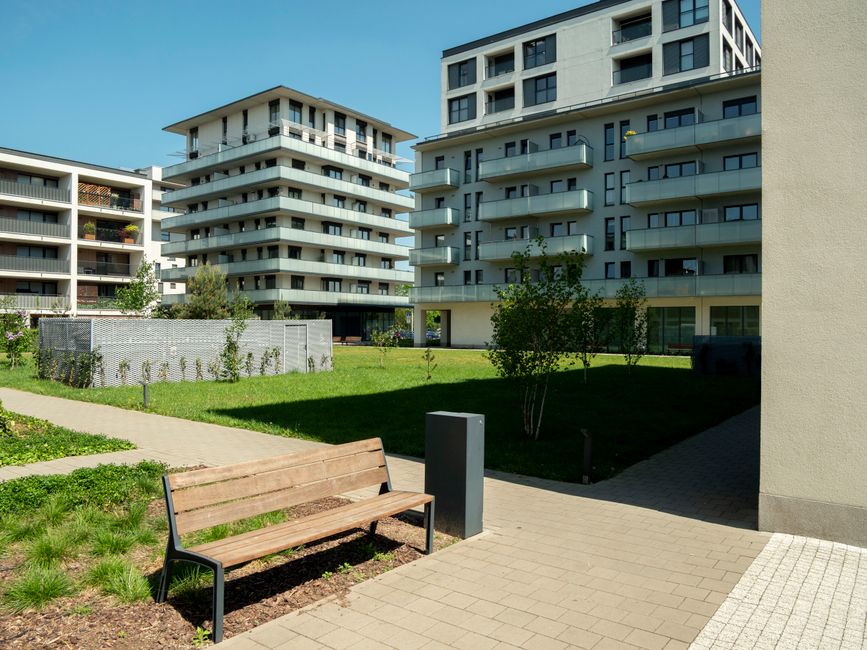
The bench seat under the Norfolk pine at Ettalong Beach Reserve has become unofficial real estate. Most mornings between 7 and 8 a.m., the same cluster of residents congregates there—dog walkers, retirees, shift workers heading home. They don't all know each other's names. But they know the rhythm of the neighbourhood.
This quiet social recalibration across Central Coast's parks reflects something larger. As first-time buyers pull back from property purchases and existing homeowners reassess their neighbourhoods, green spaces have shifted from pleasant amenities into something more fundamental: the primary venue where people actually encounter their community face-to-face. No mortgage required.
The transformation shows in how locals now use publicly managed spaces. Gosford's Ceratophyllum Wetland Reserve, a 4-hectare park managed by Central Coast Council, recorded a 34 percent increase in foot traffic over the past 18 months, according to council usage data. The reserve, bounded by Gosford itself and featuring native plantings designed during the 2022 ecological restoration project, now hosts an informal Tuesday morning walking group that has swollen from 12 participants to 47 in just eight months.
Where neighbourhoods actually form
Avoca Beach Parklands operates differently. The beachfront precinct, stretching two kilometres along the water with dedicated playground zones, picnic tables, and a network of shared paths, has become a sorting mechanism for the neighbourhood. Young families post on the local Avoca community Facebook group about which play areas work best for toddlers versus older kids. Parents exchange childcare recommendations. Casual conversations at the water fountain have led to actual friendships, which then extended into shared dinner plans and car-pooling arrangements.
Alison, a Gosford resident for six years, told me recently that she moved to Central Coast from Sydney partly because property values made sense. But she stayed because of Gosford's waterfront parks. When her marriage ended two years ago, those same parks became her social infrastructure. She joined the morning walking group at Ceratophyllum Wetland Reserve and subsequently met people who invited her to other activities. The parks didn't solve her loneliness, but they made recovery less isolating.
This pattern repeats across the region. Terrigal Beach Reserve, with its upgraded facilities completed in 2024, has sparked a similar effect. The new pavilion structure hosting weekend barbecue events has attracted residents who previously spent weekends driving toward Newcastle or Sydney for social activity. The distance barrier dissolved once there was somewhere to actually gather.
The economics of outdoor living
Central Coast Council allocated $8.2 million toward park renewal and maintenance across the 2024-2025 budget cycle. That investment reflects clear data: councils across Australia increasingly recognise that well-maintained green spaces directly influence property values, community cohesion, and mental health outcomes. Yet the causality runs both directions. Better parks attract residents. But those residents—especially those priced out of traditional property ownership—rely on those parks as their primary gathering infrastructure.
The spike in park usage isn't uniform. Higher-income neighbourhoods like The Entrance have historically maintained private community facilities alongside public spaces. Middle-income areas like Gosford and Avoca now depend far more heavily on publicly funded parks because residents can't subsidise their own community infrastructure through membership clubs or gated facilities.
Real estate agents on the Central Coast mention park proximity far more frequently in 2026 than they did three years ago. Properties within 400 metres of a quality park reserve now sell at a measurable premium. Gosford agents cite the proximity to Ceratophyllum Wetland Reserve as a primary listing feature for homes on adjacent streets.
If you're considering a move to Central Coast, spend time in the neighbourhood's actual parks at different times of day. That's where the community actually lives. The coffee shops matter. The schools matter. But the green spaces are where you'll understand whether you're buying into a neighbourhood or just a house.