The Central Coast's identity crisis is quietly resolving itself. After years of tourism boards trading on generic beach imagery, locals and visitors are finally discovering what historians have known for decades: the region's real story lives in its working-class maritime past, indigenous foundations, and industrial heritage—and there's never been a better time to experience it firsthand.
This shift matters now because the region is at a cultural crossroads. Property developers are circling the waterfront precincts that shaped the Central Coast through the 20th century, and heritage advocates are racing to document and celebrate these spaces before they vanish into another round of high-rise apartments. Community groups report a 34 percent increase in heritage tourism inquiries over the past 18 months, according to the Central Coast Heritage Alliance, suggesting residents and visitors alike are hungry for authentic local narratives.
Where to start: the essentials
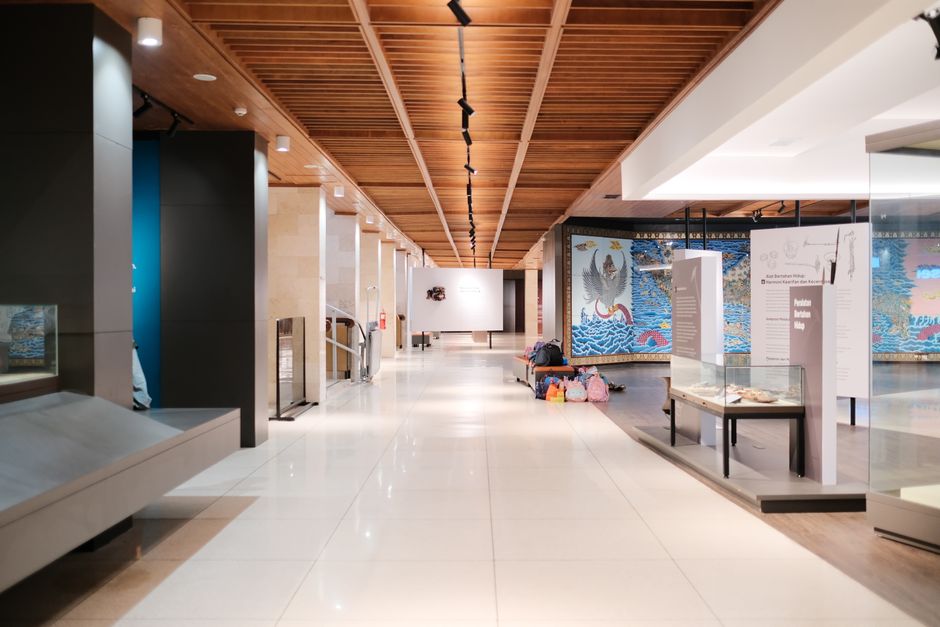
Begin at the Central Coast Maritime Museum on Terrigal Avenue, where the region's fishing and shipping heritage anchors four exhibition spaces. The museum holds the original logs from the 1881 wreck of the Dargingvale, details the lives of pearl divers who worked these waters in the 1920s, and maintains an archive of 6,000 photographs documenting daily life across Gosford, Terrigal, and the northern beaches. Entry is $12 for adults, and the collection of hand-drawn navigation charts from the 1890s alone justifies the visit.
Next, head to the Gosford State Heritage Area, a 15-minute walk from the train station through Gosford's downtown. The precinct encompasses the Old Courthouse (built 1882), St. Michael's Anglican Church (1887), and the former Post Office building, which now houses rotating exhibitions on local settlement patterns. The Heritage Council opened these sites for extended public access from July through September, with guided walks departing at 2 p.m. on weekends—no bookings required.
For something less obvious, visit the Woy Woy Memorial Hall complex, constructed in 1924 and recently restored by the local Rotary Club. The building tells the story of the Woy Woy Aboriginal community and early European settlers who worked the limestone quarries that built Sydney. The hall's timber interiors survive intact, and the adjacent heritage garden plot lists 12 plant species traditionally used by the Guringai people who inhabited the region.
Dig deeper into the working coast
Industrial heritage buffs should make directly for the Avoca Coal Loader site near The Entrance, a 1920s-era structure that once shipped coal to Sydney. Though no longer operational, the site's original loading infrastructure remains visible from the walking trail, and the Central Coast Heritage Alliance installed interpretive panels in March 2026 explaining the economics and human cost of coal extraction. The walk takes 45 minutes, parking is free, and the site closes at sunset.
The Wyong District Museum, housed in a 1912 timber cottage on Downing Street, maintains the Central Coast's most comprehensive archive of oral histories. Volunteer historian Margaret Chen recorded over 280 interviews with former factory workers, fishermen, and their descendants between 2019 and 2025. The museum is open Wednesday through Sunday, 10 a.m. to 4 p.m., and Chen herself works the desk most Thursdays, fielding inquiries from people researching their own family connections to the region.
Plan ahead if you want to join the Terrigal Heritage Walking Trail, a 6-kilometer self-guided loop that departs from the beachfront near Terrigal House. The route, mapped by the Northern Beaches Historical Society in 2023, connects seven heritage-listed properties and includes stops at the 1887 Terrigal Presbyterian Church and the former guesthouse where author May Gibbs spent summers. Download the free trail map from the Terrigal Visitor Centre or pick up a printed version for $3.
Summer weekends will soon clog these sites with holiday makers. Go now—midweek in July when schools are just back and the crowds haven't arrived. Most venues open until late September, and several are running reduced-price entry days on Tuesdays through the end of month as part of the Council's winter cultural program.