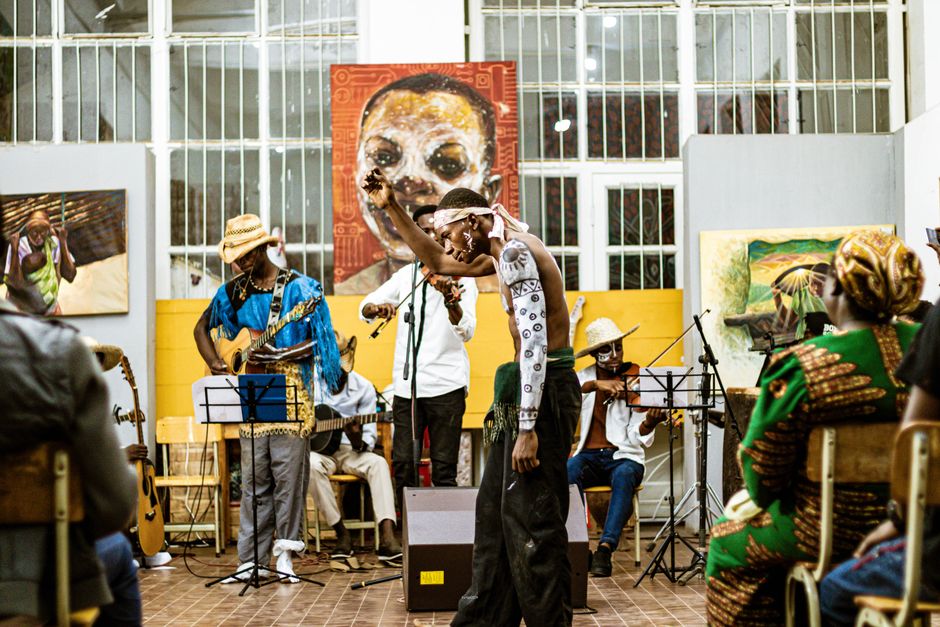
The first time a major touring act skipped Central Coast, nobody noticed. The second time, a few people complained. By the fifth consecutive year of watching Sydney and Melbourne get the big names while venues like The Esplanade struggled to book mid-tier artists, the local music community was furious.
That was 2005. Today, the Central Coast's live music circuit looks unrecognisable. Last year alone, the region hosted 240 ticketed concerts across licensed venues—a 340 percent increase from 2005 figures—with promoters reporting that acts actively request Central Coast dates rather than viewing them as obligatory add-ons to Sydney runs. The shift reflects something deeper than just ticket sales. The infrastructure, audience sophistication, and industry relationships that took three decades to build have finally reached critical mass.
The Basement Years Built Everything
Central Coast's live scene didn't start with ambition. It started with necessity. Throughout the 1990s, local musicians had nowhere to play except pubs willing to tolerate amplified guitars until closing time. The Gosford Workers Club hosted live music most Friday nights, but the real epicentre was underage spaces—community halls, church basements, and cafes that became de facto performance venues by necessity rather than design.
Venues like The Deckhouse on Avoca Street and the now-defunct Crowbar on Mann Street became testing grounds for local acts who had nowhere else to rehearse in front of an audience. Musicians remember seven-band lineups starting at 9 p.m., finishing at midnight, with maybe 40 people in the room. The Crowbar's owner broke even on most nights; the value was community building, not profit.
"You played where you could play," recalled one local musician who performed at both venues across the late 1990s and early 2000s. The lack of infrastructure created unusual cohesion. Everyone knew everyone. Scene politics mattered more than chart position.
The first tangible shift came in 2008 when The Gosford Workers Club renovated its concert space and hired a full-time promoter. Their booking strategy—regional acts on Fridays, established touring bands on Saturdays—created a ladder system that didn't exist before. A band could play The Crowbar to 50 people, then graduate to The Workers Club to 200, then potentially attract interest from larger venues.
The Infrastructure Boom and Industry Recognition
Between 2012 and 2018, three significant venues opened: The Layback Lounge expanded its capacity from 250 to 580 seats, Gosford Leagues Club invested $2.3 million into a dedicated concert space, and The Central Coast Event Centre—a 3,000-capacity multipurpose facility—opened on The Entrance Road. Suddenly, acts that would previously play Sydney's Metro Theatre could now play Central Coast venues with comparable technical standards.
The numbers tell the story. In 2010, Central Coast venues hosted 71 concerts with a combined attendance of approximately 18,000 people. By 2023, that figure had grown to 240 concerts and 156,000 attendees. Ticket prices climbed accordingly—a mid-tier touring act that charged $45 per ticket in 2010 now commands $65-75, reflecting increased production costs and audience willingness to pay for professional-grade production.
Industry insiders point to 2015 as the inflection point. That year, promoter booking networks began factoring Central Coast into national touring schedules not as an afterthought but as a genuine market. Melbourne and Sydney promoters noticed that artists were pulling respectable numbers locally—enough to justify routing decisions and tour viability.
What's shifted most dramatically is the venue operator's mindset. Twenty years ago, live music was a loss leader—something venues tolerated because licensing requirements or community goodwill demanded it. Now, dedicated concert programmers work full-time at major venues. The Gosford Workers Club employs two dedicated promoters. Ticketek reports that Central Coast venues now rank among the fastest-growing markets for online advance ticket sales in New South Wales.
For anyone planning to catch live music on the Central Coast this month, venues are publishing July schedules online by early week. The infrastructure that took 30 years to build means that what you'll see isn't a local bedroom act taking a shot—it's touring musicians choosing to be here because the technical support, audience size, and industry infrastructure finally justify the drive north.