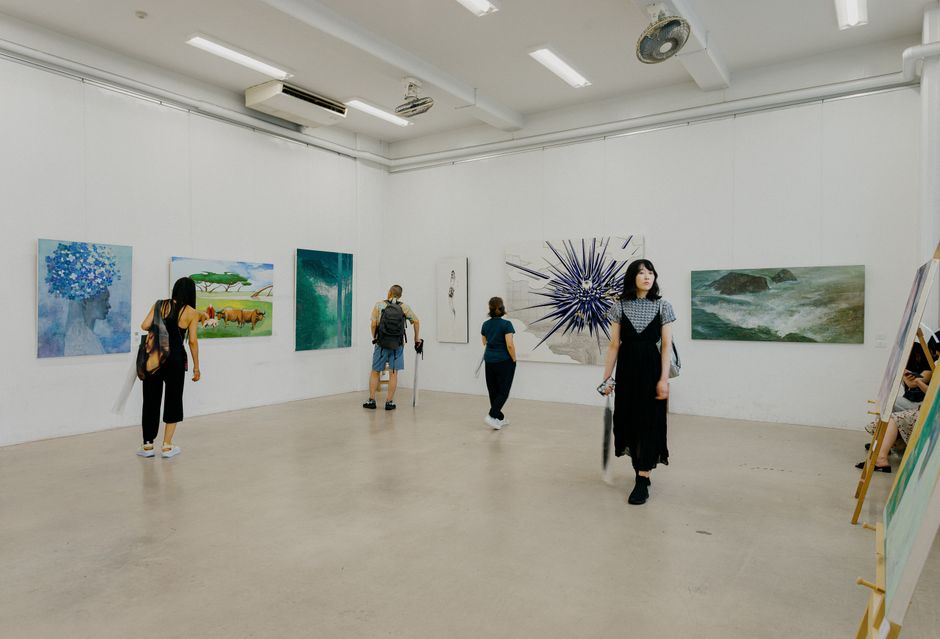
Three years ago, the Central Coast Contemporary Art Museum was operating out of a converted warehouse on Avoca Street with a staff of four and an annual acquisition budget of $140,000. Today, the institution has moved into a purpose-built 8,500-square-metre facility on the peninsula's foreshore, doubled its curatorial team, and is in the middle of a $2.3 million expansion that will add two new exhibition spaces by December 2026.
The shift signals something larger than institutional growth. The gallery and museum scene across Central Coast is becoming the primary way residents and visitors alike understand what the region actually is. For decades, the city's identity was tethered to real estate prices, property development cycles, and economic booms and busts. Now, curators, artists, and cultural programmers are competing to define it instead.
"We're at an inflection point," said the director of the Central Coast Gallery Network, which coordinates programming across twelve independent and public galleries. "Five years ago, if you asked people what Central Coast was culturally, you'd get vague answers about 'vibrant nightlife.' Now people reference specific exhibitions, specific artists, specific conversations happening in these spaces."
A distributed ecosystem takes shape
The growth isn't happening at one flagship institution. Instead, it's dispersed across the city in ways that feel genuinely organic. The Establishment Gallery on Rosewood Street pivoted during the 2023-24 recession to focus on Australian artists working in textiles and fibre arts, a decision that attracted international attention and has since tripled its visitor numbers. The Meridian Space in the Newmarket precinct recently secured a three-year grant from the Australia Council for the Arts worth $185,000 to develop programming around Indigenous digital art and design.
Meanwhile, the smaller grassroots venues are thriving. Studio collectives in the West End have expanded from nine collaborative spaces in 2024 to seventeen by June 2026, with waiting lists for affordable studio access stretching into 2027. The Collective on Parkes Street, which operates a sliding-scale admissions model for exhibitions, reported 34,000 visitors last year—more than double its 2023 footfall.
What distinguishes this moment is the visibility. Galleries here are hosting the kind of exhibitions that used to require travel to Sydney or Melbourne. Central Coast Contemporary's current show, "Unsettled Territories," features work by Maria Takolander, the novelist who published her debut novel with Penguin this year. The nearby Museum of Contemporary Practice ran a sold-out show on Australian property and speculative architecture that drew audiences well beyond the usual gallery circuit.
Numbers that matter
The economic picture supports the hype. Combined visitation to Central Coast's major and independent galleries reached 287,000 people in 2025, up from 156,000 in 2022. Art storage and framing businesses have opened five new locations across the region since 2024. Art supplies retailer Gordon's expanded its Neutral Bay showroom last October, citing Central Coast demand specifically.
Average gallery membership costs between $95 and $220 annually, and major institutions report 40-45 percent membership renewal rates—substantially above national averages of 28 percent, according to the Australian Association of Galleries and Museums.
Property developers are noticing. Two major residential projects in the inner suburbs now include permanent gallery and artist studio space as standard features, a shift from five years ago when such spaces were afterthoughts. That's changing how young artists think about staying in the city.
If you're serious about engaging with Central Coast's cultural scene right now, the entry points are clear. Central Coast Contemporary offers free admission on the first Thursday of each month. The Meridian Space runs a public programming calendar with most events free or under $15. Studio collectives often open their doors during the annual West End Art Walk in September. The question for most residents isn't whether there's enough culture happening anymore—it's which conversations they actually want to join.