News
Getting Around the Central Coast in 2026: Trains, Buses and the Sydney Connection
UpdatedHow the Central Coast commutes to Sydney and moves within the region.
Verified by The Daily Central Coast editorial team
News
How the Central Coast commutes to Sydney and moves within the region.
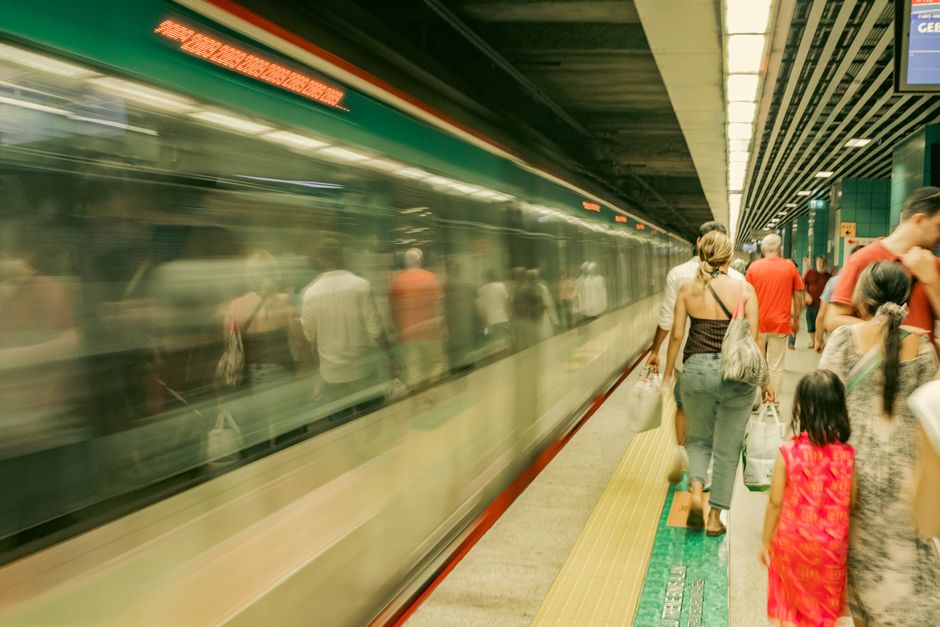
The Central Coast's transport network is shaped by its role as a Sydney commuter region. The rail link to Sydney Central is the backbone of the network and the quality of this service directly affects property values and quality of life for the significant proportion of residents who work in Sydney.
The Hunter and Central Coast line connects Gosford and Wyong to Sydney Central via Hornsby. The journey from Gosford to Central takes approximately 1 hour 20 minutes to 1 hour 40 minutes depending on the service. Services in the morning peak are generally reliable. Off-peak frequency is lower. The state government has committed to infrastructure improvements on this corridor.
Transport for NSW buses serve the main suburban corridors on the Central Coast. Services connect Gosford, Wyong, The Entrance, Terrigal and other centres. Frequency is adequate for basic needs but the car remains the dominant local transport mode for most residents.
The M1 Pacific Motorway (formerly the F3) is the primary road link between the Central Coast and Sydney. The motorway carries significant commuter and freight traffic. Congestion on the motorway — particularly at the Kariong and Cowan hills — is a persistent issue. Tolls apply on the motorway route.
Within the Central Coast, most journeys are by car. The linear geography of the region makes some suburb-to-suburb trips longer than they appear on a map. Cycling is growing as a transport option in flatter coastal areas.
This article was compiled by AI from the sources linked above and screened before publishing. See our editorial standards.
Spread the word
About this article
Published by The Daily Central Coast