Business
The Central Coast's Knowledge Economy: Remote Workers and Creative Industries
UpdatedThe remote work revolution has turned the Central Coast into a knowledge economy satellite of Sydney.
Verified by The Daily Central Coast editorial team
Business
The remote work revolution has turned the Central Coast into a knowledge economy satellite of Sydney.
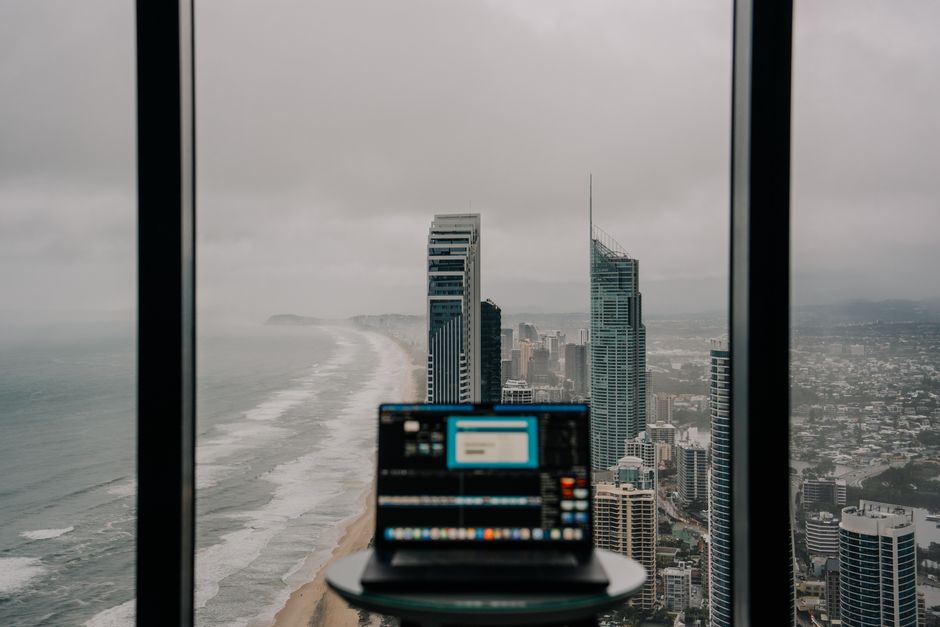
The Central Coast's emergence as a knowledge economy and a creative industries destination, driven by the remote work revolution that the COVID-19 pandemic accelerated and that the digital infrastructure improvements of the National Broadband Network have enabled for the Central Coast communities whose fibre connections now deliver the bandwidth that knowledge worker productivity requires, has created the new economic dimension alongside the traditional tourism and construction sectors that the region's growth has historically been built upon. The knowledge workers who have relocated from Sydney to the Central Coast, attracted by the lifestyle and affordability advantages while maintaining their Sydney employment relationships through the remote work arrangements that many employers have formalised as the post-pandemic normal, are diversifying the Central Coast's economic base and creating the population segment whose income and education levels create the demand for the knowledge-intensive services and the quality food, retail, and cultural amenity that the professional class brings to the regional economies it moves to.
The creative industries sector on the Central Coast, including the digital media agencies, the graphic designers, the software developers, and the content creators who have established in the region on the strength of the connectivity and the lifestyle that the Central Coast provides for the knowledge worker who can work from anywhere, creates the employment and the economic activity that the council's economic development strategy has been trying to attract to the region for decades. The creative sector's clustering in the co-working spaces and the creative precincts of Gosford and the beachside towns creates the creative community that sustains the collaboration and the client relationships that the geographically distributed creative work requires to maintain the metropolitan quality of output that the remote client demands.
The digital infrastructure of the Central Coast, improved through the successive phases of the NBN rollout that have extended the fibre and the fixed wireless connections to the suburban and the semi-rural communities of the region, provides the technical foundation that the knowledge economy requires for the reliable, high-speed internet connectivity that the video conferencing, the cloud computing, and the large file transfer that the remote knowledge work demands. The infrastructure quality gaps that remain in the rural fringe communities and the areas where the NBN technology mix has delivered lower speeds than the urban fibre connections provide continue to limit the knowledge economy attraction for the communities where the connectivity is insufficient for the knowledge work productivity that the remote employer expects.
The Central Coast's startup ecosystem, supported by the Business Centres Central Coast and the council's business development programs that provide the mentorship, the networking, and the co-working infrastructure that the early-stage business requires, is developing the foundation that the knowledge economy growth creates opportunity for in the communities whose population growth and the changing economic base are creating the market that local startup businesses can serve. The startup community's connections to the Sydney investment and the mentor network provide the access to capital and the expertise that the regional startup ecosystem lacks in the depth that the metropolitan ecosystem provides.
This article was compiled by AI from the sources linked above and screened before publishing. See our editorial standards.
Spread the word
About this article
Published by The Daily Central Coast