Business
The Central Coast construction boom: why the building industry is overwhelmed
UpdatedPopulation growth and undersupply are driving a construction wave the region cannot meet.
Verified by The Daily Central Coast editorial team
Business
Population growth and undersupply are driving a construction wave the region cannot meet.
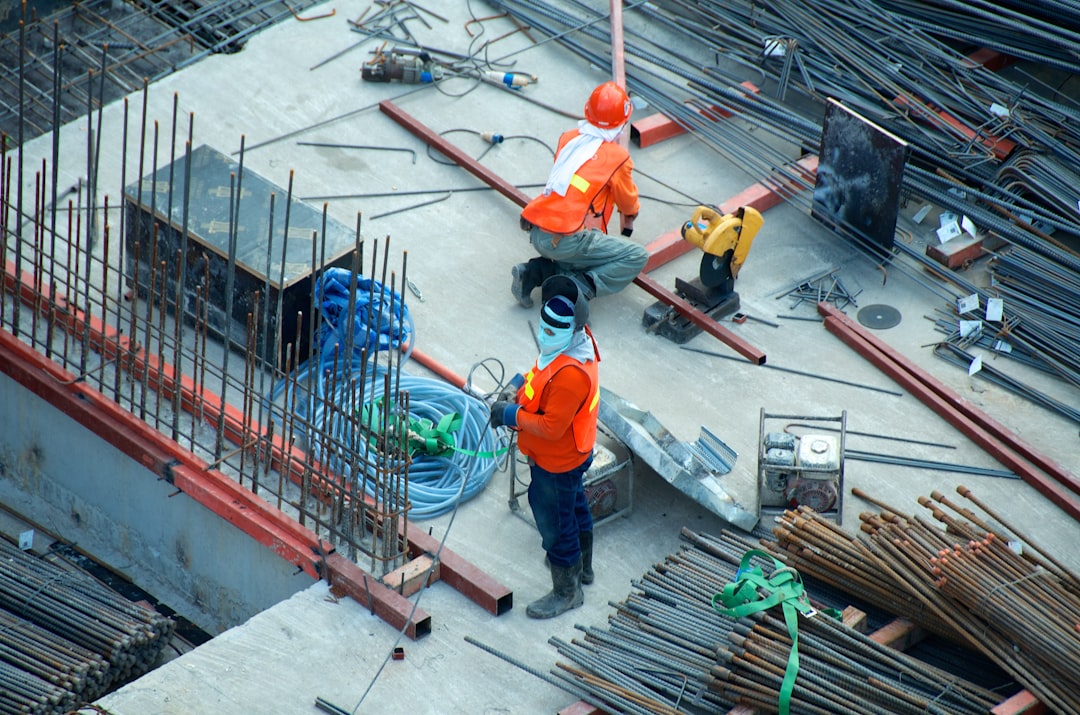
The Central Coast construction industry is operating at capacity that it cannot meet — a condition that is simultaneously a major business opportunity for construction sector operators and a source of the cost pressure and delay that is making new residential and commercial construction more expensive and slower on the Central Coast than in comparable NSW regional markets. Understanding the dynamics driving the construction surge, the capacity constraints limiting the supply response, and the commercial opportunities within the constraint environment helps construction businesses and their clients navigate the current market more effectively.
Population growth on the Central Coast has consistently outpaced the region's residential construction completion rate over the past five years, creating an accumulated housing deficit that has driven vacancy rates to near-zero, rents to historic highs, and property values to levels that reflect the supply scarcity as much as the intrinsic value of the housing stock. The backlog of approved but not commenced developments reflects both the cost escalation that has made some approved projects marginal and the trades labour shortage that is limiting the number of projects that builders can commence and complete simultaneously.
Trades shortages — particularly in framing, electrical, plumbing, and roofing — are the primary constraint on construction output on the Central Coast. The region's trades workforce has not grown at a pace matching the construction pipeline, reflecting the national shortage of qualified tradespeople that the construction boom, infrastructure program, and natural disaster rebuilding activity have collectively generated across NSW. Builders who have invested in workforce retention — above-award wages, stable work programs, and professional development — report better productivity and project completion rates than those competing primarily on price with an itinerant trades workforce.
The commercial construction sector on the Central Coast is growing alongside the residential market, as the population growth generates demand for the retail, medical, childcare, education, and hospitality facilities that serve a growing community. Architects, project managers, and commercial builders with Central Coast market knowledge and client relationships are in strong demand, and several Central Coast construction businesses have expanded their capacity specifically to capture the commercial construction pipeline that the residential population growth is generating.
This article was compiled by AI from the sources linked above and screened before publishing. See our editorial standards.
Spread the word
About this article
Published by The Daily Central Coast