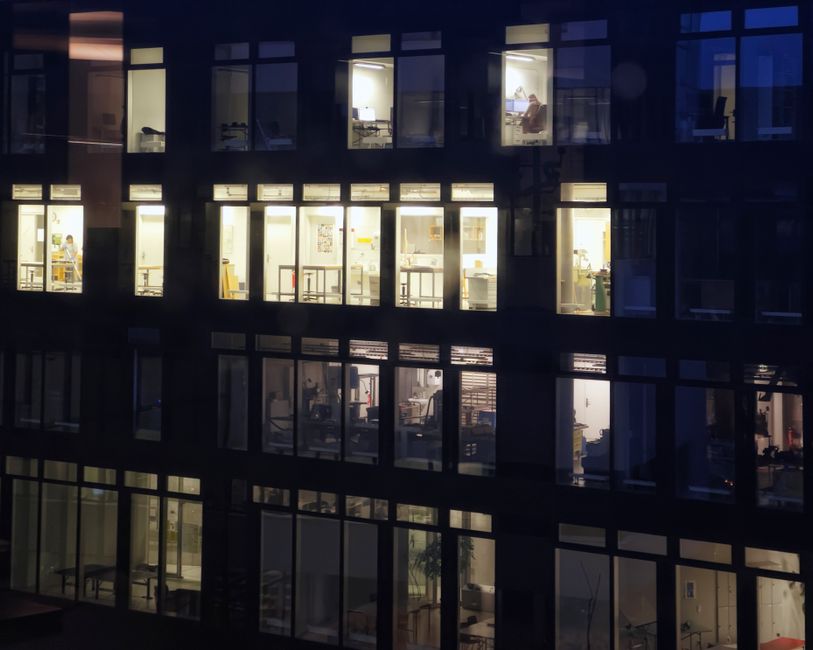
Office vacancy rates on the Central Coast have climbed to roughly 14 percent across the Gosford CBD precinct, according to mid-2026 data tracked by regional commercial agents — and a growing cohort of tenants, developers and small business operators have decided that spells opportunity rather than alarm. Lease incentives that were unthinkable three years ago are now commonplace on Mann Street and Kibble Park's fringe, and the operators moving fastest are locking in deals that could look very smart within 24 months.
The context matters. Nationally, rising AI data-centre demand is competing for industrial land and pushing some logistics and tech operators toward fringe suburban office parks, where rents are lower and floor plates are more flexible. At the same time, the Australian property market overall is cooling, taking speculative heat out of commercial values and bringing cap rates back to levels where genuine yield-seeking investors can make the numbers work again. For a regional market like the Central Coast — which sits 90 minutes from Sydney's CBD and has direct rail access — that national readjustment is creating a specific local window.
The Deals Getting Done Right Now
Gosford's Georgiana Terrace and the mid-rise stock along Donnison Street have seen face rents stabilise around $280 to $320 per square metre per annum for B-grade space, while landlords are quietly offering fitout contributions of $500 to $800 per square metre on longer leases — effectively subsidising tenants' setup costs to fill floors that have sat dark since the post-pandemic hybrid-work exodus. Several professional services firms from the Hills District and Northern Beaches have signed heads of agreement in the June quarter, drawn by those economics and by staff who relocated to the Coast during 2020 and 2021 and never went back.
Erina Fair's commercial precinct and the Fountain Plaza business park at Erina are seeing a different kind of activity: health, allied health and education operators expanding footprints. The NDIS sector in particular has been absorbing ground-floor tenancies that retail operators vacated, converting shopfront-style spaces into consulting suites at relatively low capex. Gosford Private Hospital's continued expansion on Holden Street is pulling ancillary medical services into nearby strata offices, some of which changed hands in late 2025 for under $3,500 per square metre — a price point that generates viable yields at current rents.
What the Smart Money Is Watching
The Gosford Urban Renewal project, driven by the NSW Government's Gosford City Centre masterplan, remains the longer-dated catalyst. The plan zones the waterfront corridor between Dane Drive and the Gosford foreshore for mixed commercial and residential use, and while construction timelines have slipped repeatedly, the underlying rezoning is real and banked. Investors who bought strata titles in the Mann Street and Baker Street corridor in the past 18 months are betting that public and private capital eventually follows the planning change — and that today's 7 to 8 percent gross yields compress back toward 5 percent as the precinct improves.
Central Coast Council's economic development unit recorded 23 new business registrations in the Gosford CBD postcode during the March 2026 quarter, a figure up 18 percent on the same period in 2025. Small and micro-business is the dominant category, but two registered operations are tech-adjacent firms whose principals cited affordable serviced office costs — as low as $650 per month for a private office at co-working venues near Gosford train station — as the deciding factor over Hunter Street in Newcastle.
For businesses still on the fence, the practical calculus is straightforward: lease incentives are peaking now, not six months from now. When the Gosford waterfront projects move from approved plans to active construction, the vacancy rate will tighten and landlords will pull back the fitout contributions first, then the rent-free periods. Operators in professional services, health and creative industries who secure space in the next two quarters will carry a cost base their later-arriving competitors will struggle to match. The window is open. It has not been open long, and recent history on the Central Coast suggests it will not stay open once the cranes arrive.