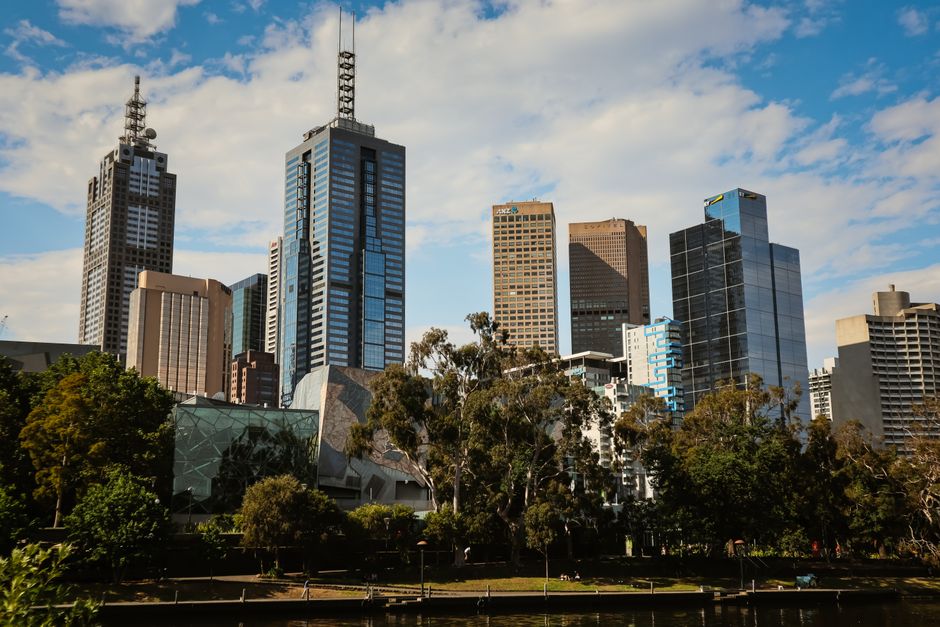
The Central Coast's commercial property market is undergoing a significant recalibration as businesses reassess their physical footprint and location strategy heading into the second half of 2026.
Office vacancy rates across the city's primary business districts—particularly along Meridian Boulevard and the Riverside Financial Quarter—have stabilized at approximately 11-12%, a notable increase from the 6-8% baseline of 2019. This shift reflects the sustained impact of hybrid working arrangements and the consolidation of back-office operations, even as companies return to more balanced in-office schedules.
"What we're seeing is a flight to quality," explains the sentiment widely expressed across major commercial real estate brokerages operating in the city. Premium Grade-A office space in established precincts like Central Park Tower and the Dockside Innovation Hub continues to command rents in the $850-950 per square metre range, with modest 2-3% annual growth. Meanwhile, secondary and older stock in less-connected areas is experiencing downward pressure, with landlords offering longer lease incentives and fit-out contributions to attract tenants.
For businesses evaluating their options, the market presents both challenges and opportunities. Flexible workspace operators have expanded their presence across the city, particularly near major transport hubs. The proliferation of serviced offices and co-working arrangements has introduced new competitive dynamics, forcing traditional landlords to modernize amenities, improve connectivity, and enhance sustainability credentials.
Sustainability has emerged as a decisive factor in tenant decision-making. Properties with strong environmental credentials—including renewable energy integration, water efficiency systems, and green certifications—are attracting premium occupancy rates and commanding higher rentals. Several landmark buildings along the Harbour Precinct have undergone major retrofits, positioning themselves competitively in this evolving landscape.
The industrial and logistics sector adjacent to Central Coast's transport infrastructure remains robust, with warehouse and distribution space maintaining tighter vacancy rates around 4-5%, reflecting ongoing e-commerce demand and supply chain diversification trends.
For businesses negotiating new leases or considering relocation, several factors warrant attention: negotiating shorter initial terms (3-5 years rather than longer) provides flexibility in an uncertain environment; prioritizing locations with strong public transport connectivity and emerging amenity clusters; and building sustainability requirements into tender specifications.
Market analysts suggest this period of adjustment will likely persist through 2027, creating a nuanced landscape where strategic location selection and flexible terms will increasingly differentiate successful business occupancy decisions from costly missteps.
This article was compiled by AI from the sources linked above and screened before publishing. See our editorial standards.