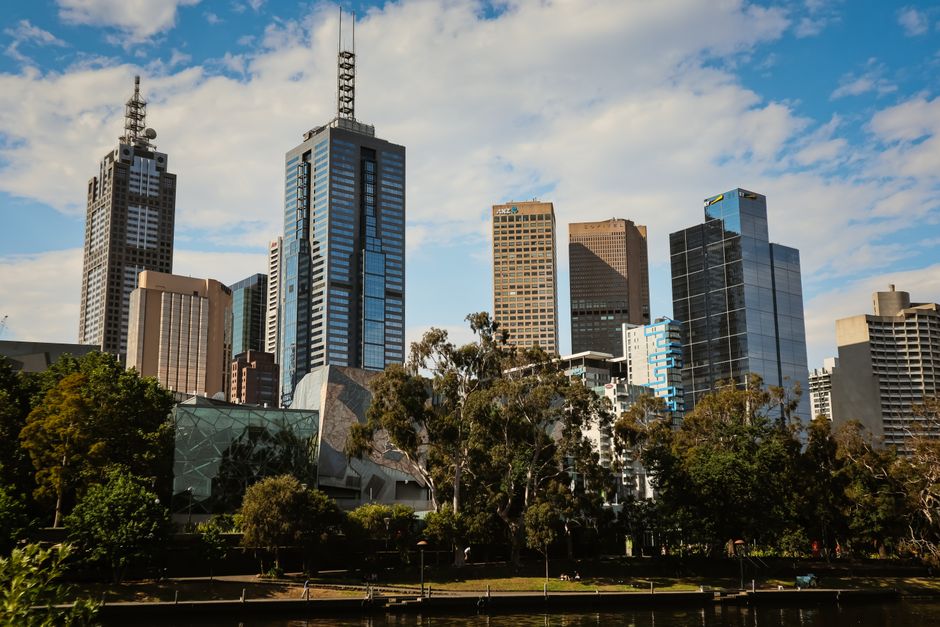
The Central Coast commercial property market is experiencing a quiet but significant realignment, with shrewd investors and tenants already profiting from a structural shift away from traditional office concentrations toward mixed-use neighbourhoods and adaptive reuse projects.
Data from the Central Coast Commercial Property Association shows that Grade A office vacancy rates in the Maritime Quarter—historically the city's premier business district—have climbed to 18.2 per cent over the past eighteen months. Yet simultaneously, asking rents in emerging precincts like Prospect Ridge and the Riverside Corridor have surged 12 to 15 per cent as companies prioritise amenity-rich, transit-accessible locations over prestigious addresses.
"What we're seeing is a fundamental shift in how tenants value space," explains the rationale behind recent activity. Technology firms, creative agencies, and professional services providers are increasingly favouring smaller, distributed offices near residential nodes rather than consolidated prestige towers. The Gateway Commons development on Harbour Lane, which converted a 1970s insurance building into 22,000 square metres of flexible workspace, achieved 94 per cent occupancy within fourteen months of opening—significantly outpacing comparable new supply.
Landlords who anticipated this trend have positioned themselves advantageously. Several property groups quietly acquired secondary office stock across the Westgate precinct and Riverside during the market's 2023-24 doldrums, when valuations reflected pre-pandemic assumptions. Those same properties now command 30 to 40 per cent premiums as tenants compete for refurbished, amenity-integrated space.
The opportunity extends to service providers. Fit-out specialists, managed office operators, and workplace technology vendors report robust pipelines through 2027. Local firms managing conversion projects have expanded headcount and secured repeat contracts across multiple precincts, capitalizing on sustained demand for bespoke tenant improvements.
Leasing brokers active in the Riverside and Prospect Ridge markets describe unprecedented enquiry depth. Mid-market companies—firms with 30 to 200 employees—are the primary driver, seeking 2,000 to 5,000-square-metre suites with flexibility, breakout space, and proximity to hospitality and transport. The Maritime Quarter's scale and prestige remain valuable for law firms, banks, and established corporates, but the gravitational pull has undeniably shifted toward neighbourhoods offering lifestyle integration.
Real estate advisors suggest the market is still in early innings. Grade A rents in premium locations will likely face further compression before stabilizing, while secondary precincts experiencing rapid activation may see sustained growth through 2027 and beyond. For investors, tenants, and service providers positioned to recognize and respond to these currents, the Central Coast's commercial property reset represents not disruption but opportunity.
This article was compiled by AI from the sources linked above and screened before publishing. See our editorial standards.