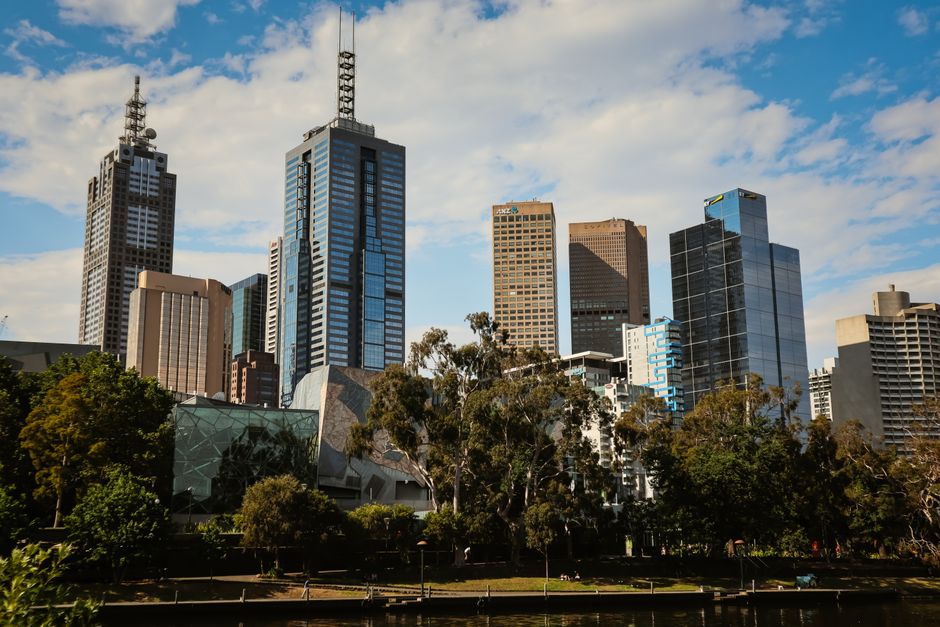
The Central Coast's visitor economy, long a reliable engine of growth, is sputtering as multiple challenges converge to dampen tourism prospects heading into the second half of 2026.
Operators across the city's major hospitality zones—from waterfront establishments along Harbour Boulevard to the boutique hotels clustered around the Arts District—report softer bookings and tighter margins. Industry data suggests visitor nights are tracking 8-12 percent below 2025 levels, a significant contraction for a sector that typically anchors local employment and tax revenue.
"We're seeing genuine pressure," explains a spokesperson for the Central Coast Hospitality Association, which represents roughly 180 member venues. Average room rates at four-star properties have flatlined around $187-195 per night, up only marginally from last year, while occupancy rates have slipped to 71 percent—down from the 79 percent baseline of recent years.
Several factors are converging. Airfares remain elevated; international carriers are maintaining fuel surcharges amid volatile geopolitical conditions, making long-haul visits less attractive to price-sensitive leisure travellers. The weakness has been particularly acute in key source markets, including Europe and parts of Asia-Pacific.
Currency fluctuations have also eroded the region's competitive advantage. A strengthening local dollar has made Central Coast experiences costlier for overseas visitors, even as competitors in neighbouring regions have launched aggressive discount campaigns.
The Restaurant and Bars Coalition notes that foot traffic in the Central District—home to flagship venues on Riverside Street and the laneway dining precincts—is down roughly 6 percent year-on-year. Convention and business travel, typically more resilient, has proven vulnerable to corporate cost-cutting and remote-work policies adopted by major regional employers.
Weather disruptions have compounded the challenge. Unseasonal rainfall earlier this year dampened shoulder-season visitation, while flooding on the Peninsula access routes in April disrupted day-trip traffic to popular beaches and parks.
Tourism Central Coast, the destination marketing organisation, has pivoted strategy to emphasise domestic and regional visitors, rolling out campaigns targeting families and retirees within driving distance. But conversion rates suggest the market is becoming more crowded, with promotional spending rising while yield per visitor declines.
Smaller attractions—independent museums, heritage venues, and niche experiences—are feeling the pinch most acutely. Some have reduced hours or staff, betting that conditions will stabilise by late spring 2027.
Whether the sector can rebound depends on stabilisation in international conditions, moderation in transport costs, and success in retaining domestic visitor confidence through the critical summer months ahead.
This article was compiled by AI from the sources linked above and screened before publishing. See our editorial standards.