The Central Coast's startup ecosystem has reached an inflection point. What began three years ago as scattered tech ventures in converted warehouse spaces has evolved into a genuine innovation district, fundamentally altering how the region attracts, compensates, and retains talent.
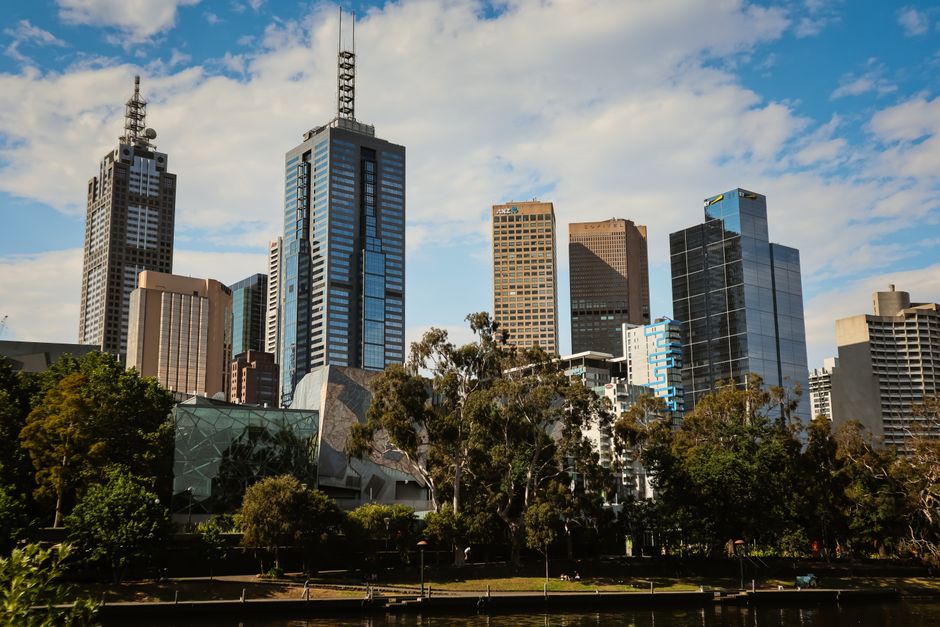
The transformation is most visible along the Foreshore precinct and the emerging tech corridor near Cypress Avenue, where venture-backed startups now occupy nearly 60,000 square metres of premium office space. Real estate agents report average rental rates in these innovation zones have climbed to $485 per square metre annually—a 34% increase since 2023—as companies compete for proximity to talent pools and established service providers.
This clustering effect is creating a measurable talent squeeze. According to recruitment data from the Central Coast Business Association, entry-level software developer roles that commanded $68,000 in base salary two years ago now start at $82,500, with many growth-stage firms offering equity packages to compete. Mid-level positions have seen even sharper jumps, averaging 28% increases in total compensation.
"We're seeing professionals relocate to the Central Coast specifically for these opportunities," notes the regional chamber of commerce. Graduate retention rates have improved markedly, with 47% of local university graduates now remaining in the region post-graduation—up from 34% in 2023.
Yet this expansion carries tensions. Traditional industries, including manufacturing operations in the industrial precinct west of Harbour Road, struggle to compete for skilled workers. Several mid-sized logistics and engineering firms have reported 15-18% staff turnover as employees migrate to better-paying startup roles. Local hospitality and service sectors face acute labour shortages, partly attributed to competing wage expectations set by the tech sector.
The district's infrastructure is straining. Public transport along the Cypress Avenue corridor, which now serves an estimated 8,400 daily commuters to innovation hub offices, is operating near capacity during peak hours. City planners have fast-tracked a transit expansion proposal scheduled for consultation next quarter.
Property developers are responding aggressively. Four mixed-use development applications for the Waterfront Gateway precinct explicitly target tech worker accommodation, combining apartments priced from $580,000 with ground-floor retail and flexible co-working spaces. If approved, these projects would add 1,200 residences within walking distance of major employment clusters.
What remains unclear is sustainability. While venture funding flowing into the region has tripled since 2024, questions linger about whether the startup ecosystem can support current wage growth or whether the talent boom represents a temporary cycle. Human resources professionals tracking the trend suggest the market is entering a correction phase, though competition for top talent shows no signs of abating.
This article was compiled by AI from the sources linked above and screened before publishing. See our editorial standards.