tech
Smart city sensors are quietly changing how Central Coast residents get around, save energy, and stay safe
From adaptive traffic lights on Market Street to air quality monitors near the waterfront, everyday life is being reshaped by data, often without residents noticing.
How we reported this
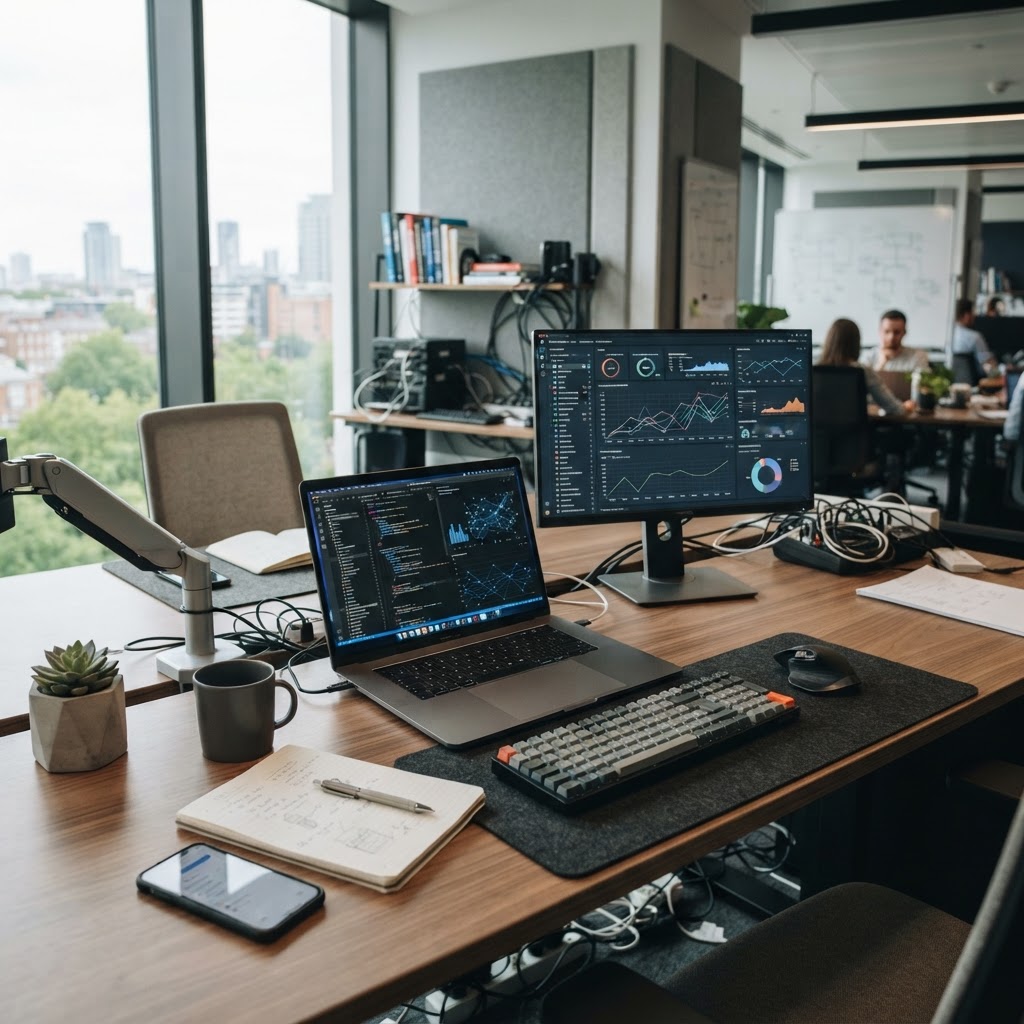
Hundreds of sensors embedded in streetlights, traffic signals, and municipal buildings across Central Coast are now collecting real-time data on everything from pedestrian counts to particulate matter, city officials confirmed this week. The network, part of the municipality’s Smart City Initiative launched in 2024, has quietly expanded to cover the downtown core, the waterfront district, and five residential neighborhoods.
The shift matters because local government faces mounting pressure to improve services without raising taxes. A city-commissioned report released in June found that early smart city deployments reduced peak-hour traffic delays on Market Street by 14% and cut energy use in 12 municipal buildings by 9% over the past 18 months. Officials say the technology is finally moving beyond pilot projects into daily operations.
Parking, trash, and air quality, all talking to a dashboard
At the Central Coast Municipal Operations Center on Harbor Boulevard, a wall-mounted screen displays live feeds from 37 intersections, 22 air quality stations, and 200 curbside sensors that tell sanitation crews which public trash bins are full. The system, operated by the city’s Department of Public Works, routes collection trucks dynamically, reducing unnecessary trips.
“We don’t send a truck to an empty can anymore,” said department spokesperson Lisa Tran, speaking at a public workshop last week. Tran noted that the program, called RouteSense, has trimmed fuel costs by about 11% since full deployment in March 2025.
Waterfront residents have also noticed changes. Along Pacific Avenue between 1st and 5th Streets, adaptive traffic signals now adjust phasing based on actual vehicle and pedestrian flow, not just preset timers. The city says crosswalk wait times have dropped by an average of 22 seconds during peak commuting hours.
Privacy concerns linger as data collection expands
Not everyone is comfortable with the scale of data gathering. The Central Coast chapter of the American Civil Liberties Union filed a public records request in May seeking details on how the city stores and shares footage from traffic cameras. The group’s local director, Marcus Reyes, told the city council during a June 28 meeting that the program lacks clear rules around facial recognition and data retention.
The city’s chief innovation officer, Dr. Anika Patel, responded publicly that Central Coast’s policy currently prohibits facial recognition on city-owned cameras and requires all raw sensor data to be deleted after 90 days. An audit by the city auditor’s office is due by September 30.
Residents living near the Harborview neighborhood, where a pilot program uses acoustic sensors to detect gunshots, said they support the technology but want more transparency. “It’s reassuring knowing help could arrive faster,” said Jennifer Ortiz, a Harborview resident who spoke at the same council meeting. “But nobody explained to us how the audio data would be used.”
What comes next
The city plans to expand the sensor network to two additional neighborhoods, Baywood and Seacliff, by the end of 2026, pending final approval of the next fiscal budget in October. Officials also confirmed they are evaluating a pilot program for smart parking meters that use occupancy data to adjust pricing in real time. No contract has been signed.
For now, residents can view the anonymized data dashboard at centralcoast.gov/smartcity, which includes historical traffic counts, air quality readings, and energy savings figures starting from January 2024. The city will hold its next public forum on smart city privacy policies on August 17 at the Main Library branch on State Street.