tech
Smart City Initiatives: Weighing the Challenges, Risks, and Ethical Questions Alongside the Promise
As Central Coast invests heavily in smart city tech, residents and experts are raising important questions about data privacy, equity, and accountability.
How we reported this
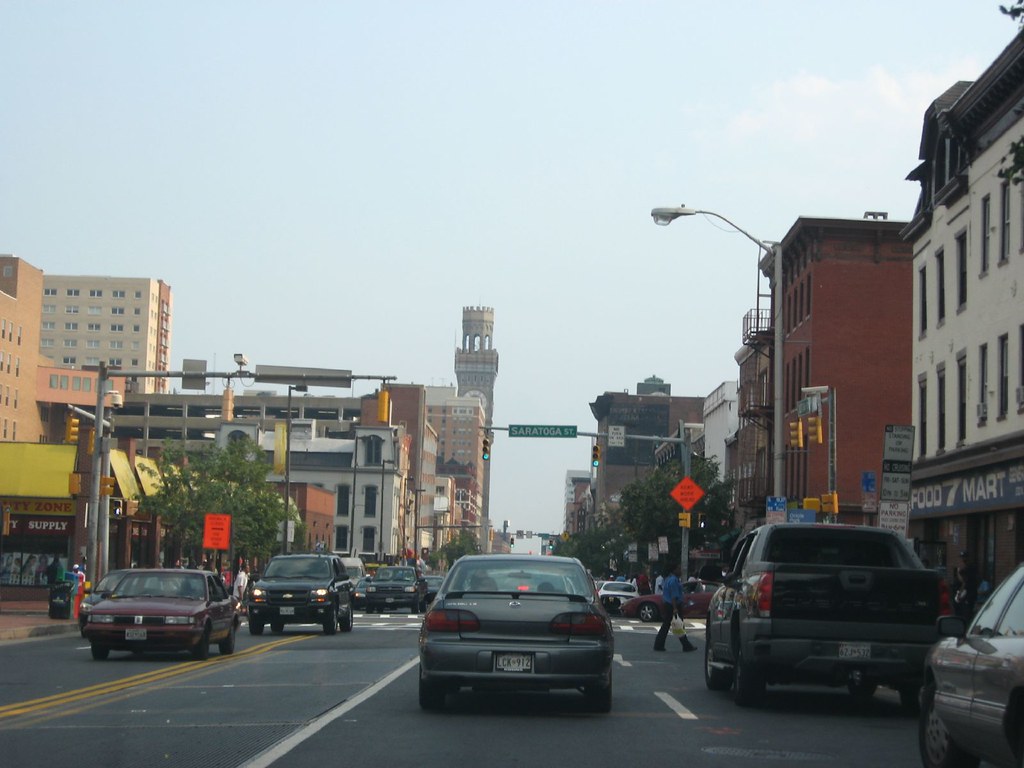
Central Coast has committed $15 million to its Smart City Initiative, a comprehensive plan to integrate cutting-edge technology into the city's infrastructure.
This investment comes at a time when cities around the world are exploring the potential of smart city technologies to improve efficiency, sustainability, and quality of life. However, the rapid adoption of these technologies also raises important questions about the challenges and risks associated with their implementation. In Central Coast, this means considering the potential impact on low-income neighbourhoods like Avondale and Oakdale, where residents may not have equal access to the benefits of smart city tech.
Local Initiatives and Partnerships
In Central Coast, the Smart City Initiative is being led by the city's Department of Innovation, in partnership with local organisations like the Central Coast Chamber of Commerce and the non-profit tech incubator, Spark Labs. Specific projects include the installation of smart traffic signals on Main Street and the development of a mobile app to help residents navigate the city's public transportation system. The city is also working with private companies like Cisco Systems and Microsoft to deploy smart streetlights and public Wi-Fi networks in areas like the Central Coast Marina and the downtown waterfront.
According to data from the city's Department of Innovation, the Smart City Initiative has already resulted in a 25% reduction in traffic congestion on Main Street, with an estimated 10,000 fewer hours spent in traffic per day. The city has also seen a 15% increase in public transportation usage since the launch of the mobile app, with over 50,000 downloads in the first six months. The cost of implementing these technologies is significant, with the city paying $500,000 per year for the smart traffic signal system and $200,000 per year for the public Wi-Fi network.
As the city continues to invest in smart city technologies, residents and experts are urging caution and careful consideration of the potential risks and challenges. This includes concerns about data privacy and security, as well as the potential for these technologies to exacerbate existing social and economic inequalities. The city's Department of Innovation has established a Smart City Advisory Committee, which meets quarterly to discuss these issues and provide feedback on the initiative.
What's Next for Central Coast
As the Smart City Initiative moves forward, residents and stakeholders will be watching closely to see how the city addresses these challenges and ensures that the benefits of smart city tech are shared equitably. The city has announced plans to establish a series of community engagement forums, where residents can provide feedback and input on the initiative. The first forum is scheduled to take place on August 15th at the Central Coast Public Library. By attending these forums and staying informed about the initiative, residents can help shape the future of smart city tech in Central Coast and ensure that it serves the needs of all members of the community.