sport
How to get your kid into high school sports on the Central Coast: What parents need to know
With the 2026 baseball playoffs underway and summer training ramping up, here’s what families should know about navigating the region's two governing bodies and conference systems.
How we reported this
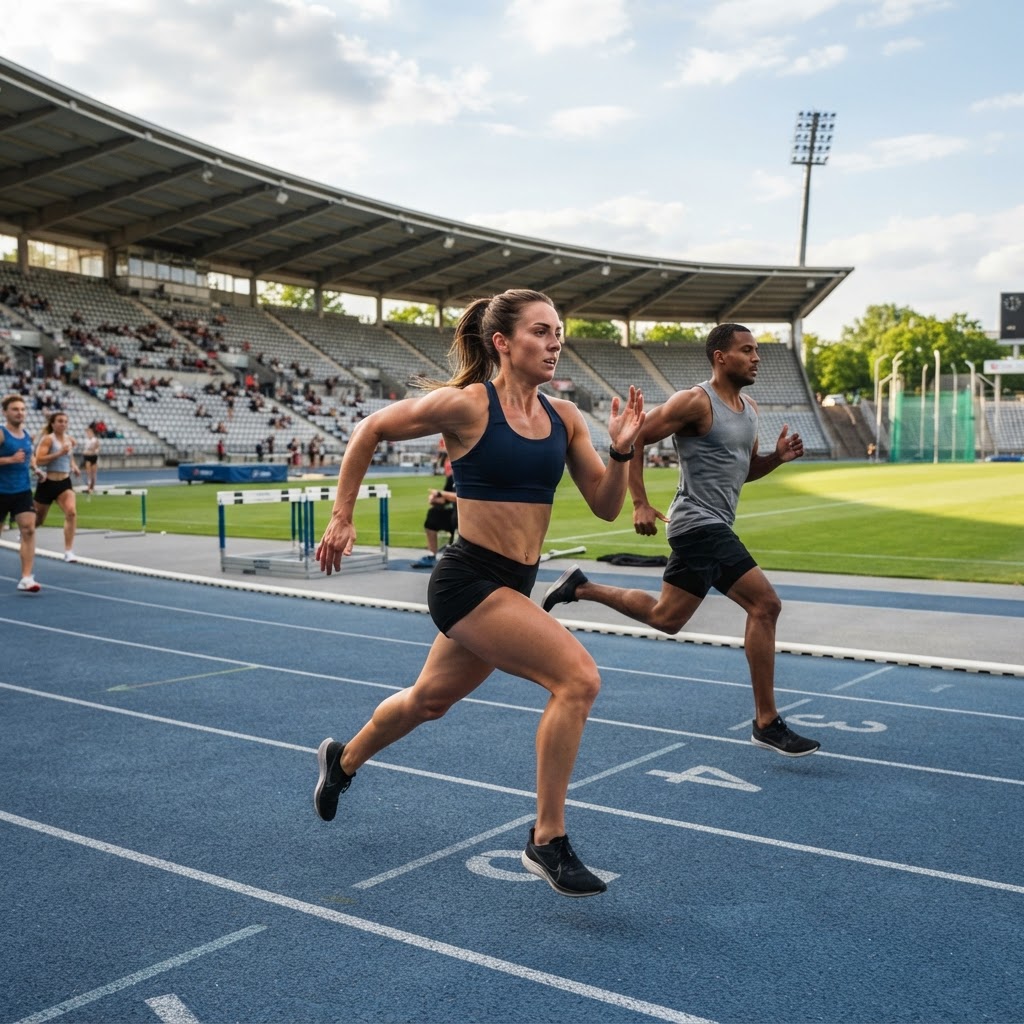
If your teenager wants to play high school sports on the Central Coast this fall, the first thing to understand is which league they’ll be suiting up for, and that depends on where you live. The region is split between two governing bodies: the CIF Central Coast Section, which covers San Mateo through Monterey counties, and the CIF Central Section, which has included San Luis Obispo and northern Santa Barbara counties since the 2018-19 season, according to the CIF Central Coast Association.
The 2026 CIF Central Coast Section high school baseball playoffs started May 23, with championship games beginning May 28, a sign that spring competition is already in full swing. For parents new to the process, now is the time to get organized: summer conditioning programs are often open to incoming freshmen, and tryouts typically begin in August.
Two leagues, one region
The Central Coast is home to two primary athletic conferences. The Central Coast Athletic Association, or CCAA, is a 16-school conference in San Luis Obispo and Santa Barbara counties, affiliated with the CIF Central Section. It uses a promotion/relegation system to align teams by competitive strength, meaning a school’s varsity squad can move up or down divisions based on performance from one season to the next.
To the north, the Pacific Coast Athletic League, formed in 2017, operates under the CIF Central Coast Section. It includes 32 high schools spread across four counties surrounding Monterey Bay. Like the CCAA, the PCAL determines division alignment based on competitive strength after each season, so a school’s place in the standings isn’t permanent.
For families just starting out, the best first step is to check which section and conference your school belongs to. That determines everything from the sports offered to the playoff path. The CIF CCS, for instance, offers 27 sports for boys and girls, including baseball, basketball, football, lacrosse, soccer, softball and track and field. Some sports, basketball, golf, track and field, girls volleyball and boys wrestling, also compete at the state level.
What to do now
Before your child can step on the field, you’ll need a completed physical exam and a signed CIF consent form. Most schools hold a pre-season parent meeting in the late summer where coaches hand out schedules, explain practice commitments and outline the athletic code of conduct.
If your athlete is aiming for college opportunities, keep an eye on scholarship deadlines. The Central Coast Athletics Foundation, for example, offers $1,000 scholarships to high school seniors from Arroyo Grande or Nipomo High Schools who excel in cross country or track and field. This year’s awards were given on May 6.
For those still unsure which sport to try, many programs host “open gym” or “conditioning” sessions in July and August with no commitment required. Contact the athletic director at your school for specific dates.
The bottom line: get the physical done early, know your conference’s rules, and show up to summer workouts ready to work. Spring playoffs may feel distant on a summer afternoon, but the path to them starts now.