property
Central Coast Property Prices: What's Driving the Market and What Buyers Need to Know Now
From Terrigal's waterfront premium to Gosford's urban renewal push, a tightening supply and improving rail links are reshaping what buyers can expect to pay, and where the value still lives.
How we reported this
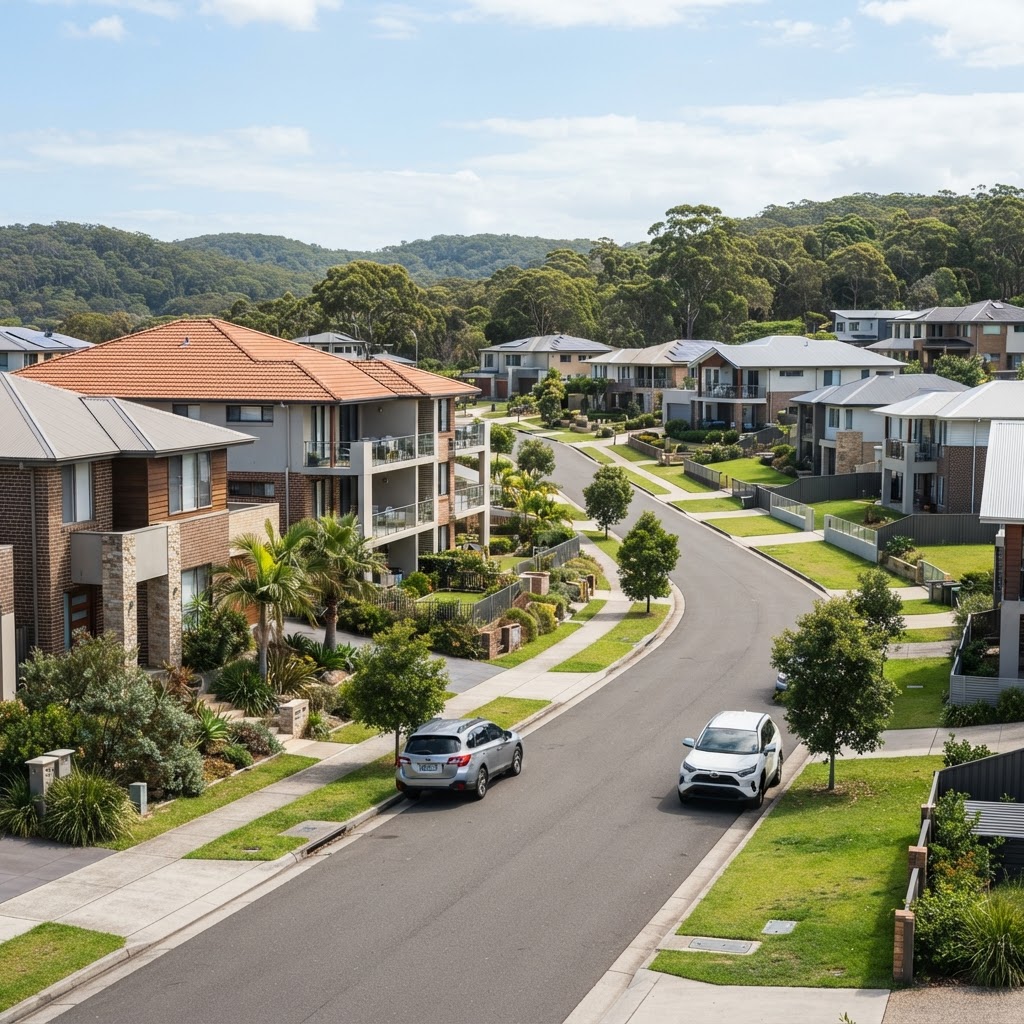
The Central Coast's median house price is holding around $820,000, but that single figure masks a market moving in sharply different directions depending on which suburb a buyer targets. Waterfront and near-beach pockets continue to attract buyers priced out of Sydney's Northern Beaches, while inland corridors near the upgraded Gosford station precinct are drawing a different kind of demand, younger buyers and investors watching the state government's city renewal agenda.
Why does this matter right now? Nationally, Melbourne's auction market has hit its weakest winter start on record, which historically redirects attention and capital toward coastal lifestyle markets perceived as better value. The Central Coast sits squarely in that category. At the same time, ongoing fast rail improvements on the Sydney-Central Coast corridor have trimmed commute times enough that commuter buyers, once reluctant to cross the Hawkesbury, are reconsidering the trade-off between price and travel time.
Where the Pressure Is Building
Terrigal and Avoca Beach remain the headline acts. Properties within walking distance of Terrigal Beach have consistently transacted above the regional median, with some four-bedroom homes on the Esplanade and surrounding streets drawing competitive offers from Sydney downsizers and sea-change buyers. Avoca Beach, quieter and with a tighter land release, has seen listing volumes stay low through the first half of 2026, a supply constraint that keeps upward pressure on prices even when broader sentiment softens.
Gosford is a different story, but an increasingly compelling one. The Gosford City Centre Revitalisation program, backed by the NSW Government and Central Coast Council, has brought new mixed-use development proposals to Mann Street and the Kibble Park precinct. First-home buyers watching that renewal play out are weighing whether to lock in now before the infrastructure spend translates into price growth. Units near Gosford station, particularly those within 500 metres of the platform, have attracted attention from buyers who need Sydney access several days a week.
Woy Woy, long the commuter suburb that serious buyers overlooked, is also shifting. Its direct rail connection to Sydney and comparatively lower entry prices, still below the regional median for some house stock, have brought it onto the shortlist for Gen Z buyers who, national survey data consistently shows, haven't given up on ownership even as affordability stretches. The suburb's foreshore along Brisbane Water offers a lifestyle proposition that competing outer-suburban markets simply can't replicate.
What Buyers Should Do Before Signing Anything
Stock levels remain the critical variable. Central Coast listings have stayed historically tight through mid-2026, meaning buyers are not negotiating from a position of strength in most price brackets. Properties that need work, those with dated kitchens or older roofing, are moving more slowly, and that gap represents one of the few remaining entry points where buyers can negotiate.
Pre-approval timing matters more than it did 18 months ago. Lenders have tightened serviceability assessments in response to cumulative rate movements, so buyers who secured pre-approval more than 90 days ago should revisit those figures before making offers. A number of local buyers have been caught out by the gap between what they were conditionally offered and what they are now formally approved for.
Buyers working with Central Coast-based conveyancers and buyers' agents are also being advised to scrutinise Section 149 certificates carefully on any property in the Gosford renewal corridor, given the volume of rezoning proposals currently before Central Coast Council. What looks like a residential block today may sit inside a future mixed-use zone, which can be a positive or a complication depending on a buyer's intentions.
The practical advice from watching this market through the first half of 2026 is straightforward: the window between Sydney's price ceiling and the Central Coast's floor is still open, but it has been narrowing for three consecutive years. Buyers who wait for a correction that signals clearly in advance are likely to wait longer than the market will give them.
This article is general information only and is not personal financial or investment advice. Consider your own circumstances and seek licensed professional advice before making financial decisions.