policy
NSW Infrastructure Budget 2026: What Central Coast Residents Can Expect and When
The recent state infrastructure announcements detail project timelines that will impact local transport, flood resilience, and urban development across the Central Coast over the next decade.
How we reported this
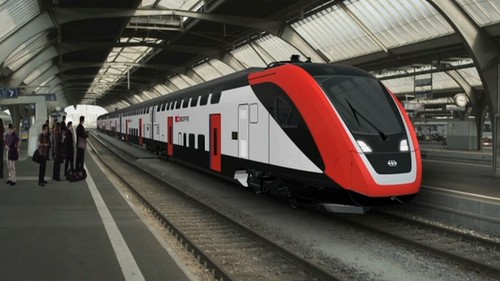
NSW Treasury’s 2026 infrastructure budget, released this week, sets out a detailed timeline for a suite of projects affecting the Central Coast. Key initiatives include upgrades to local flood defences, progress on the fast rail link to Sydney, and funding allocations for Gosford CBD redevelopment. These projects are expected to roll out gradually over the next five to ten years, with residents likely to first see tangible changes in infrastructure by early 2028.
Infrastructure has become a critical issue for Central Coast residents as population growth, climate risks, and economic shifts place pressure on existing services and networks. The recent floods highlighted vulnerabilities in local emergency response and road connectivity, while the region’s evolving role as a commuter hub to Sydney underscores the need for improved transport links. These factors have accelerated government focus on delivering long-promised projects and bolstering resilience in key areas.
What This Means for Central Coast Residents
The accelerated flood resilience work will help safeguard homes and critical roads for approximately 90,000 people living in flood-prone areas such as Woy Woy and Erina. This includes $150 million allocated for levee upgrades and drainage improvements, set to begin construction in late 2027. For daily commuters, progress on the $3 billion fast rail corridor between Sydney and the Central Coast is projected to enter its major construction phase by 2029, promising reduced travel times and more reliable services by the mid-2030s.
The Gosford CBD redevelopment will receive $120 million over four years to support new commercial spaces, improved public amenities, and pedestrian-friendly streets. Local businesses and workers can expect phased construction to start in 2027, with the first new facilities becoming operational in 2029. Council’s ongoing recovery from administration is also supported through targeted infrastructure grants aimed at enhancing community services over the next three years.
Budget Figures and Next Steps
The 2026-27 NSW Budget earmarks a total of $450 million for Central Coast-specific infrastructure projects, reflecting a nearly 20% increase from last year’s allocations. State planning documents confirm that most projects are in the design or early procurement phases this year, with consultation periods scheduled through 2027 to engage local communities in finalising construction plans.
The government says initial contract awards for flood defences and Gosford precinct works will be announced by mid-2027. The fast rail project is currently undergoing environmental assessments, with detailed design work to be completed by 2028. Residents can expect ongoing updates via Central Coast Council and the NSW Department of Planning, which will coordinate local stakeholder engagement to minimise disruption during construction stages.
In summary, while some infrastructural improvements will be visible to Central Coast residents within the next two years, major transport and urban redevelopment benefits are projected over the longer term, extending through the early 2030s. These timelines reflect the complex planning, funding, and construction processes outlined in the official NSW infrastructure strategy published alongside the budget papers.