news
Central Coast Council Approves New Development Projects Amid Planning Reforms
This week the Central Coast Local Planning Panel continues to shape development approvals, amidst ongoing disaster management and planning reforms.
How we reported this
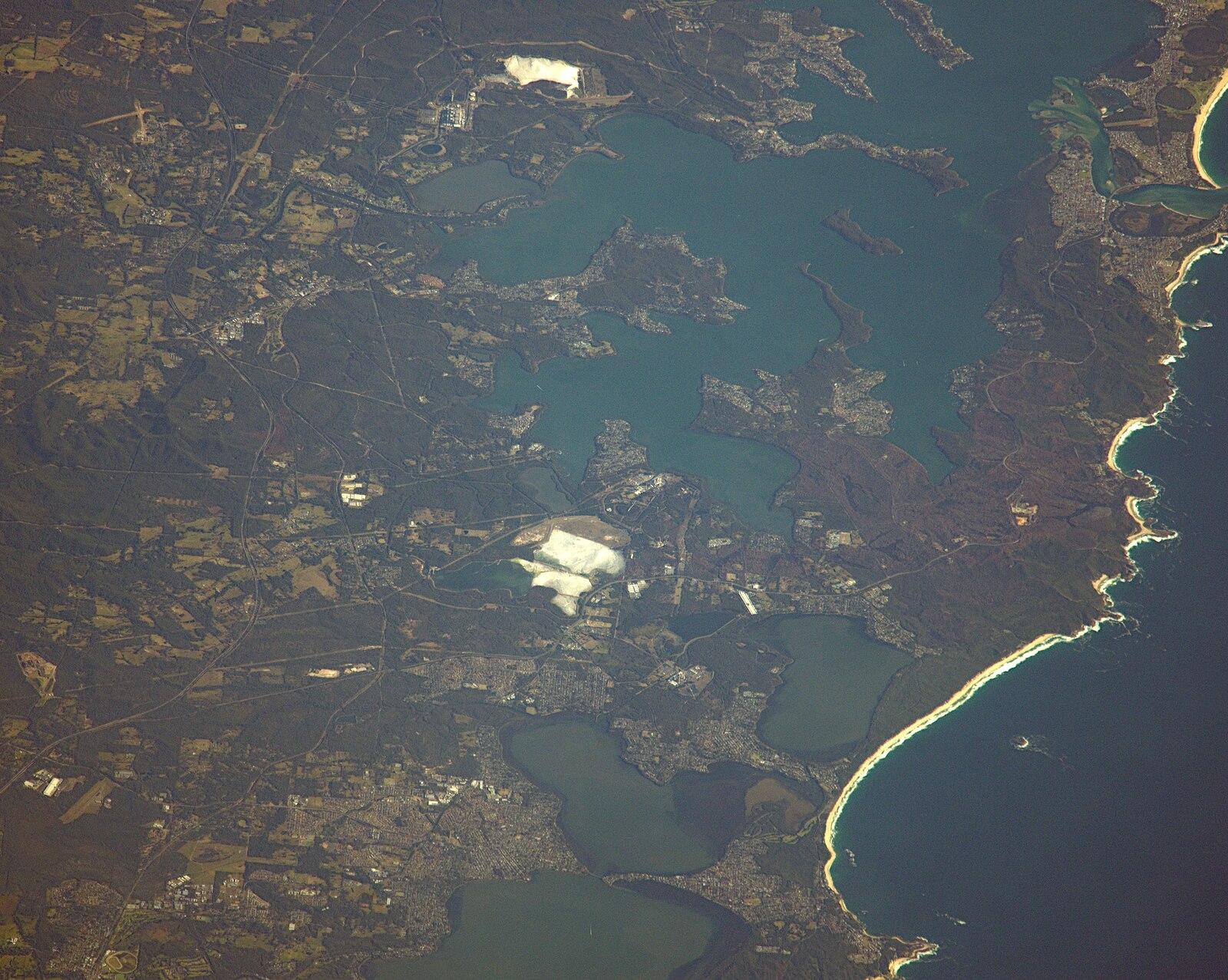
The Central Coast Local Planning Panel (CCLPP) has maintained its role as the primary decision-maker for development applications within the Central Coast Local Government Area this week. Council elected members remain excluded from the approval process, with the panel ensuring independent review particularly on contentious or sensitive projects.
Why Local Planning Panel Authority Matters Now
This week’s planning activity follows the ongoing transition to strengthened regional governance frameworks. Since 1 August 2022, the Central Coast Local Environmental Plan 2022 (CCLEP 2022) along with the Development Control Plan 2022 serve as consolidated guides for planning, replacing prior fragmented instruments. The panel’s role aligns with this consolidation, providing a streamlined oversight mechanism that aims to balance development pressures with community and environmental interests.
Notably, Deferred Lands previously regulated under older instruments like IDO 122 and GPSO continue to operate under interim planning rules as the council works towards full integration within CCLEP 2022. This phased approach underscores the complexity involved in unifying planning across diverse areas within the Central Coast.
Local Impacts Amid Flooding and Coastal Management Efforts
The week’s planning decisions unfold against a backdrop of heightened environmental responsiveness. The council recently adopted the updated Open Coast Coastal Management Program (CMP), which enhances offshore sand nourishment efforts and is currently with the NSW Minister for Environment for certification. This follows a Reconstruction Area Order signed for The Entrance North and Wamberal to facilitate emergency coastal erosion works, reflecting urgent responses to climate-driven impacts in coastal zones.
Flooding concerns remain critical; the NSW Government declared a disaster for the Central Coast due to increased rainfall and thunderstorms this week. The State Emergency Service warned residents in areas such as Dora Creek, Yarramolong, and Dooralong to prepare for possible isolation, with flood evacuation warnings in place around the Tuggerah Lakes Estuary.
With emergency response measures active across multiple localities, planning decisions made by the CCLPP necessarily consider both immediate environmental risks and long-term resilience goals.
Evidence from this week shows the council’s planning and emergency management systems intertwined closely, without quantified statistics publicly available yet. However, evacuation centres, such as the one at Diggers at The Entrance, demonstrate practical response integration with planning outlooks. The panel’s deliberations likely factor these operational realities into sensitive development approvals.
Practically, residents and stakeholders should keep abreast of announcements by the Central Coast Local Planning Panel and council for development changes and emergency updates. With the ongoing consolidation of planning instruments, affected communities will benefit from clearer planning frameworks and coordinated disaster responses as conditions evolve.