news
Central Coast Community Safety Report: Key Decisions on the Horizon
Following the latest safety review, the focus shifts to critical choices for improving security across the Central Coast.
Listen in English · 4 min
How we reported this
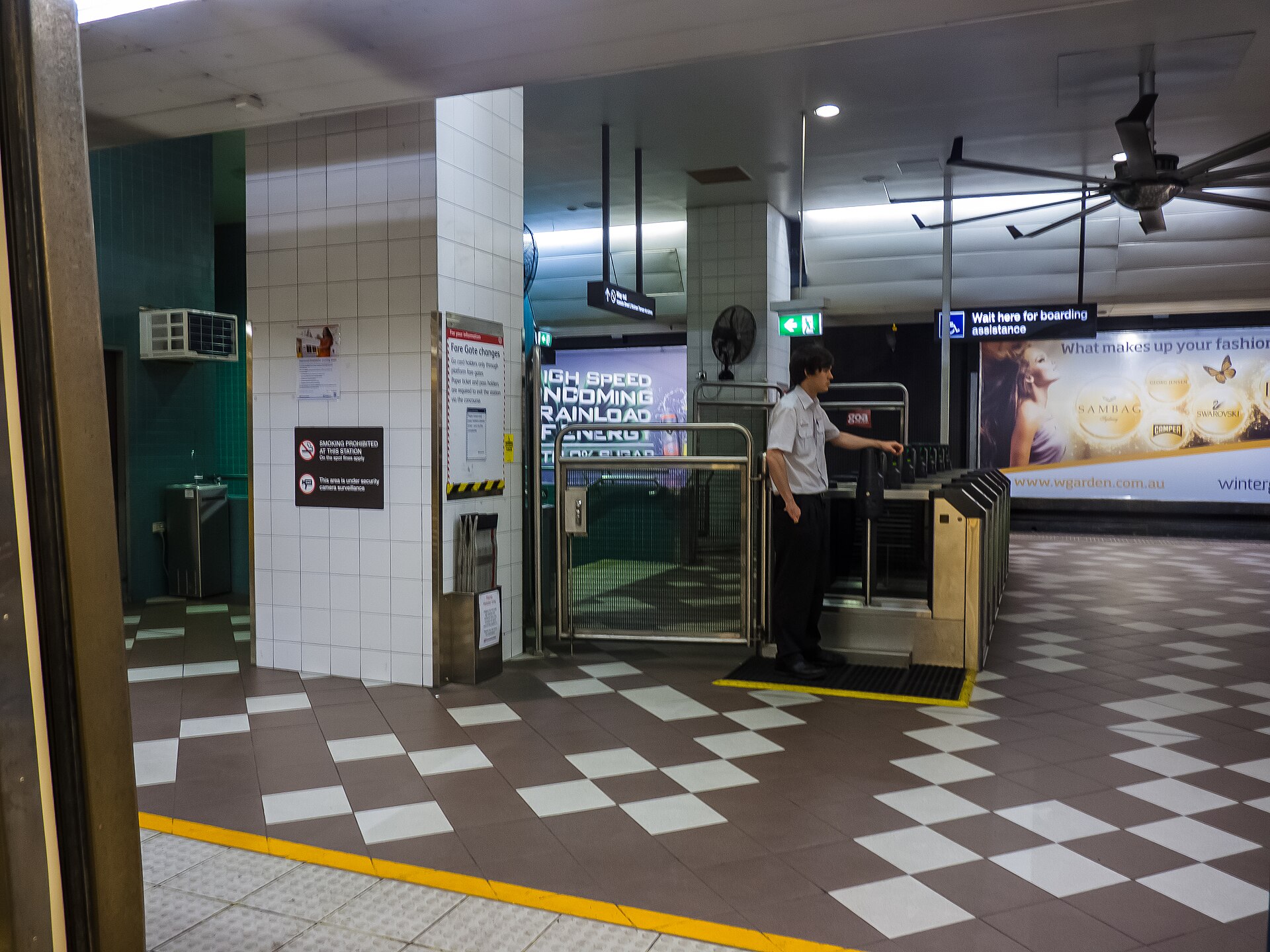
A recent community safety report has highlighted areas of concern across the Central Coast, prompting calls for urgent decisions on the next steps to enhance local security and resilience. While data specific to the region remains qualitative, the findings underline community anxieties and the need for targeted safety initiatives.
The timing of this report is significant as the Central Coast undergoes structural and demographic changes, including recovery from council administration and ongoing debates about growth and infrastructure development. Community safety sits at the intersection of these challenges, affecting residents’ confidence in local governance and influencing economic and social stability.
Local Context Shapes Priorities
The Central Coast Council has recently emerged from a period of financial administration, striving to rebuild trust and service delivery. As the Gosford CBD renewal project progresses along Mann Street, considerations about urban safety have gained traction, especially given expectations of increased pedestrian activity and retail growth.
Housing affordability pressures for Sydney commuters are also shaping community patterns with more families moving to the region. This growth brings a diverse population with varying needs for public safety measures, community policing, and emergency preparedness. Although no precise crime statistics are available from the report, concerns over neighborhood security, vandalism, and emergency response adequacy have been raised qualitatively by residents and local stakeholders.
Building Evidence Toward Action
While concrete metrics on crime rates or incidents are not detailed in the available data, the report relies on community feedback and expert assessments to outline problem areas, particularly in pockets of the Gosford and Wyong regions. These insights come amid broader state-wide initiatives for climate resilience and flood preparation, which also impact safety planning on the Central Coast.
Decision-makers face the challenge of balancing resources between immediate community safety issues and longer-term risks like flooding. Without new quantitative data, strategies may include enhanced community engagement, improved lighting and surveillance in public areas, and integrating safety goals into the ongoing council recovery and regional development frameworks.
Looking forward, the Central Coast Council and associated public safety agencies must prioritize partnerships with residents to refine safety priorities, advocate for funding, and implement practical measures tailored to evolving local needs. Effective communication and transparent progress updates will be essential as these key decisions take shape.