news
Central Coast economy's pulse: what it means for locals and community life
Economic shifts in the Central Coast influence housing, jobs, and infrastructure, directly shaping residents' everyday experiences.
How we reported this
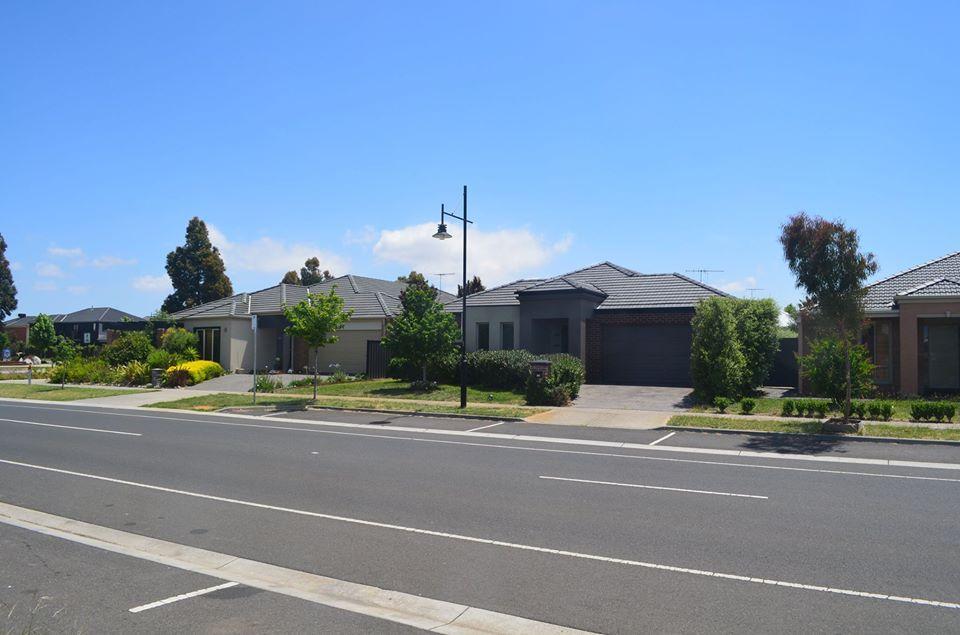
The Central Coast region's economic landscape is undergoing changes that carry important consequences for local residents and the wider community. With ongoing efforts surrounding the renewal of Gosford's central business district and community recovery from council administration, understanding how these economic factors play out is increasingly important for those living here.
Why economic health matters now
After years of financial turmoil faced by the Central Coast Council, residents have been watching closely as the area works to rebound and redefine opportunities for growth. This matters because local economic conditions affect everything from housing availability and affordability to job prospects and the viability of community services. Furthermore, aspirations to enhance transport links, including fast rail connections to Sydney, are central to how the area positions itself economically in coming years. A strong local economy underpins infrastructure investments and shapes access to services that residents depend on daily.
Community impacts across the region
Gosford's CBD, a key focus of revitalisation plans, remains pivotal for regional commerce and social life. Improvements here have ripple effects, potentially attracting businesses that provide jobs and amenities to locals. Council's recovery efforts include measures aimed at restoring trust and financial stability, which can translate into better-managed public resources and services. Meanwhile, ongoing challenges around housing affordability for Sydney commuters continue to influence demographic shifts and community composition on the Coast.
Residents in neighbourhoods connected to Sydney by commuter transport particularly feel the pinch, as broader metropolitan trends impact local real estate markets. Additionally, increasing attention to climate resilience and flood planning is also intertwined with economic concerns, ensuring future infrastructure investments accommodate evolving environmental risks.
Though specific recent data on employment rates or property prices were not outlined in current reports, the qualitative signs point to a region at a crossroads, balancing recovery efforts with ambition for sustainable growth. These factors collectively shape daily realities for Central Coast residents, from workplace options to access to reliable transport and safe housing.
Looking ahead, community members are advised to stay engaged with local council initiatives and public consultations, which provide avenues for input on renewal projects and climate adaptation plans. Monitoring transport developments, housing market trends, and council financial management will be key for residents wanting to understand how these economic dynamics may affect their neighbourhoods. The region’s economic health directly influences the quality of life, so staying informed supports community participation and resilience.