news
Community Safety in Central Coast: Examining the Data Behind Local Trends
A closer look at the statistics shaping community safety concerns and responses on the Central Coast.
How we reported this
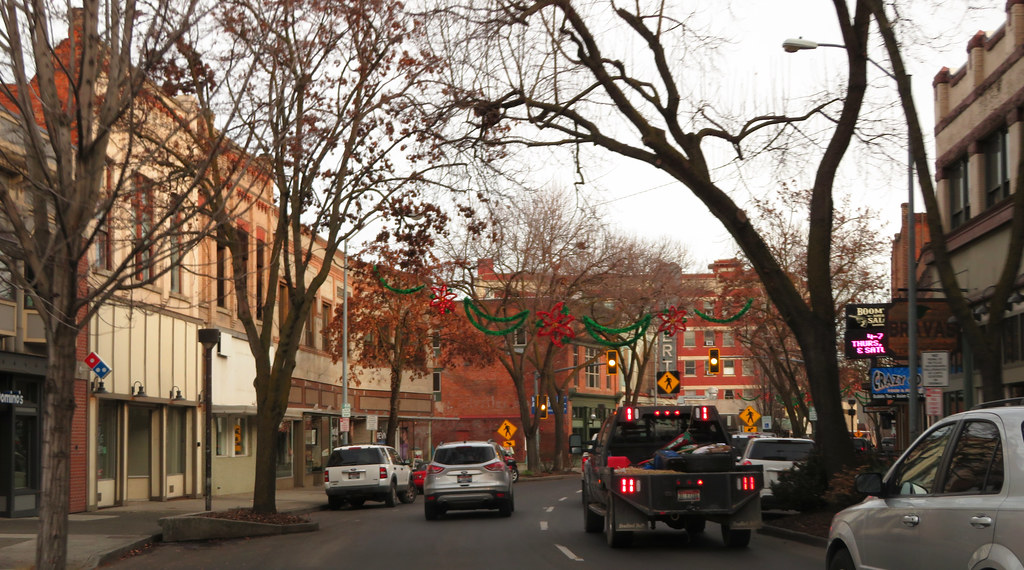
Community safety discussions on the Central Coast have gained urgency amid ongoing challenges such as population growth, infrastructure strain, and environmental risks. While recent headlines have touched on broader state issues, local residents and officials are increasingly focused on the data that underscores safety priorities in the region.
Why Data Matters Now in Central Coast Safety
The Central Coast, spanning coastal towns and hinterland areas in New South Wales, faces unique pressures as it recovers from past council administration and advocates for renewed infrastructure investments like fast rail to Sydney. These changes impact public safety planning directly, whether through emergency response capacity, crime prevention, or flood resilience.
Safety concerns also intersect with housing affordability challenges affecting commuters, requiring local governments to balance development with protecting communities. These dynamics have made data-driven approaches to safety vital for policy makers and residents alike, informing targeted interventions rather than broad assumptions.
The Numbers Shaping Local Safety Priorities
While precise crime or emergency statistics specific to the Central Coast are not detailed in today’s available public reports, qualitative assessments from local agencies indicate growing attention to issues such as flood risk management and urban renewal impacts, particularly around Gosford CBD. The recovery of Central Coast Council from administration has also included calls for transparency and clear metrics to measure safety program success.
Community safety data generally includes indicators like emergency service call volumes, responses to environmental events (including flooding), and local crime reporting rates. These data points help identify hotspots and vulnerabilities within neighbourhoods, guiding investments in surveillance, lighting, and community engagement initiatives. As the Central Coast coordinates these efforts, accurate record-keeping and regular reporting remain critical.
Moreover, infrastructure projects like the proposed fast rail link to Sydney not only aim to improve connectivity but may influence crime and traffic safety patterns, necessitating forward-looking safety studies alongside development plans.
Beyond quantitative measures, local authorities emphasize resident feedback and anecdotal evidence to supplement statistics, ensuring community voices are reflected in safety strategies.
Next Steps for Central Coast Residents and Authorities
For residents concerned about safety, engagement with local council forums and community groups provides avenues to influence decision-making and access safety resources. Authorities continue to develop resilience plans addressing flooding and climate adaptation, recognising these environmental factors as integral to long-term safety.
Local governments and agencies aim to enhance transparency around safety metrics over time, encouraging public access to timely and relevant data. This approach allows the Central Coast community to monitor trends and holds institutions accountable for maintaining secure environments.
In the meantime, residents are advised to stay informed through official council communications and emergency services updates, participate in community safety programs, and contribute to collective well-being through neighbourhood watch and preparedness efforts.