news
Voices from Central Coast Residents on Emergency Services Response and Community Safety
As the Central Coast deals with ongoing emergency service pressures, local residents share their experiences and concerns about response times and preparedness.
How we reported this
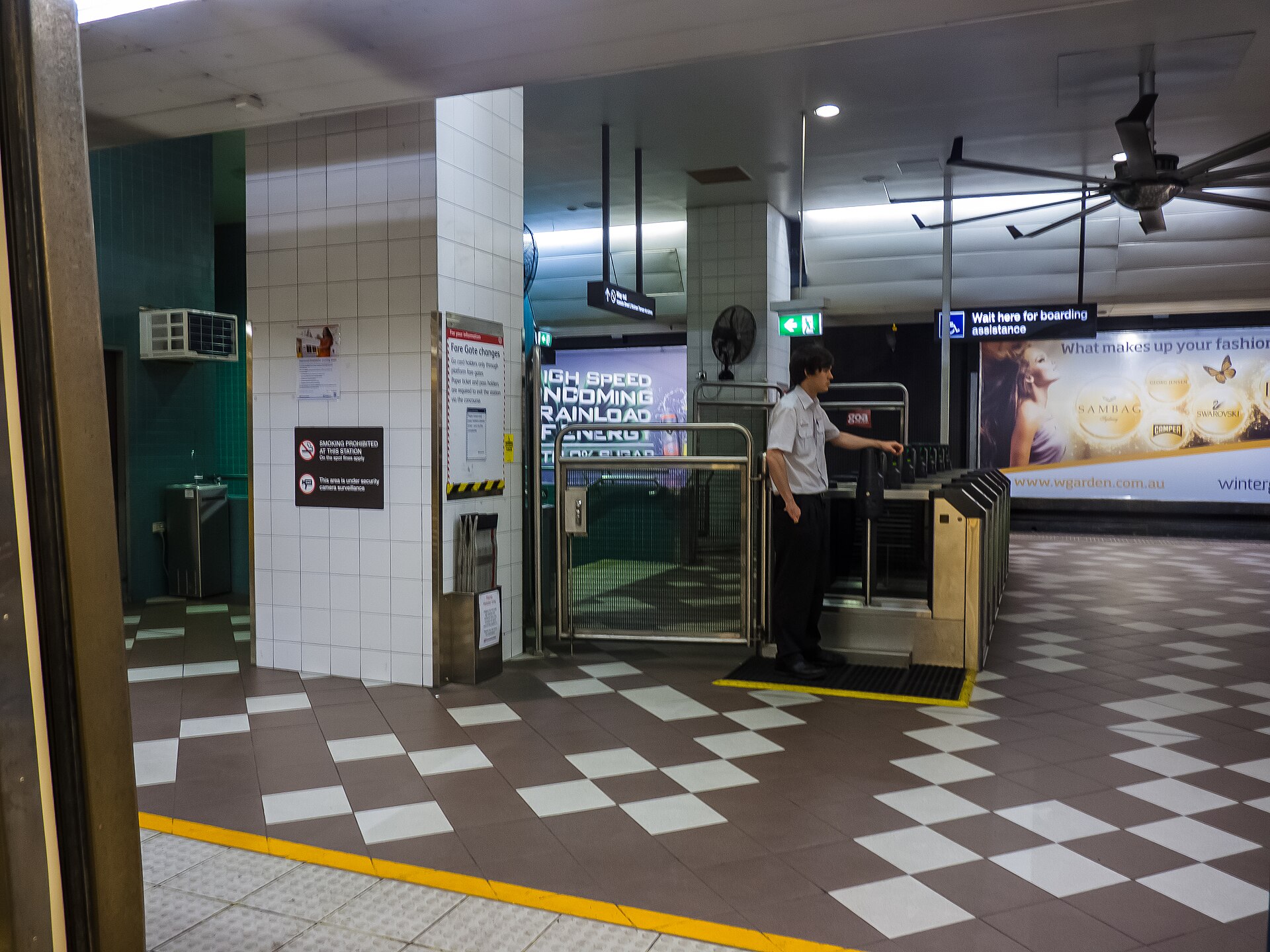
The Central Coast community has recently voiced various concerns and reflections regarding emergency services amid ongoing challenges in the region. Residents report frustrations over delays and communication gaps in emergency response, highlighting a complex picture of resilience and vulnerability in a region still recovering from recent administrative upheaval and tackling climate-related risks.
Emergency Services Under Pressure: Local Perspectives
Several neighbourhoods, including Gosford’s outer suburbs and surrounding areas, have been particularly vocal about the perceived need for better emergency service coverage. Community members express anxiety about rapid growth in the Central Coast region and the corresponding demand this places on fire, ambulance, and police services. With the Central Coast Council recently emerging from administration and still working to stabilise local governance, residents say emergency readiness often feels overshadowed by broader infrastructure and economic challenges.
One recurring theme from residents is the impact of recent flooding events on neighbourhoods, which have exposed gaps in preparedness and coordination. People living near waterways have highlighted experiences where emergency alerts arrived after floodwaters had already impacted homes and roads. Others relate stories of delays in ambulance arrivals during medical emergencies, underscoring a need for deeper investment in frontline services to match population growth and evolving climate threats.
Community Safety Amid Evolving Challenges
The Central Coast’s aspirations for fast rail connections to Sydney and the ongoing renewal of the Gosford CBD are set against a backdrop of urgent priorities like housing affordability and climate resilience planning. For many, these broader developments raise the stakes for robust and responsive emergency services. Community views advocate for integrating emergency service improvements into regional planning, ensuring new developments factor in access and rapid response capabilities.
While no specific numeric statistics or recent official operational figures are currently available to quantify emergency service response changes in the Central Coast, qualitative feedback from residents indicates a strong desire for increased transparency and communication from authorities. The community calls for clearer, proactive information sharing during emergencies, along with long-term strategies tailored to the region’s unique geographic and demographic profile.
Residents also emphasise practical steps such as improved local training, community awareness programs, and better coordination between emergency services and council agencies. These voices reflect a nuanced understanding of the systemic pressures faced by emergency responders and a constructive approach focused on partnership rather than criticism.
Looking ahead, ongoing recovery efforts by the Central Coast Council and related stakeholders aim to rebuild trust and strengthen emergency service frameworks. Community engagement sessions and public consultations are expected to shape the next phase of emergency planning. For residents, staying informed through official council updates, participating in local preparedness workshops, and maintaining clear emergency plans at home remain critical practical measures as the region adapts to both everyday risks and unexpected crises.