news
Central Coast Council recovery traces back to 2010s overspending and state intervention
Years of mounting debt and planning shortfalls set the stage for the current push on Gosford renewal and fast rail links.
How we reported this
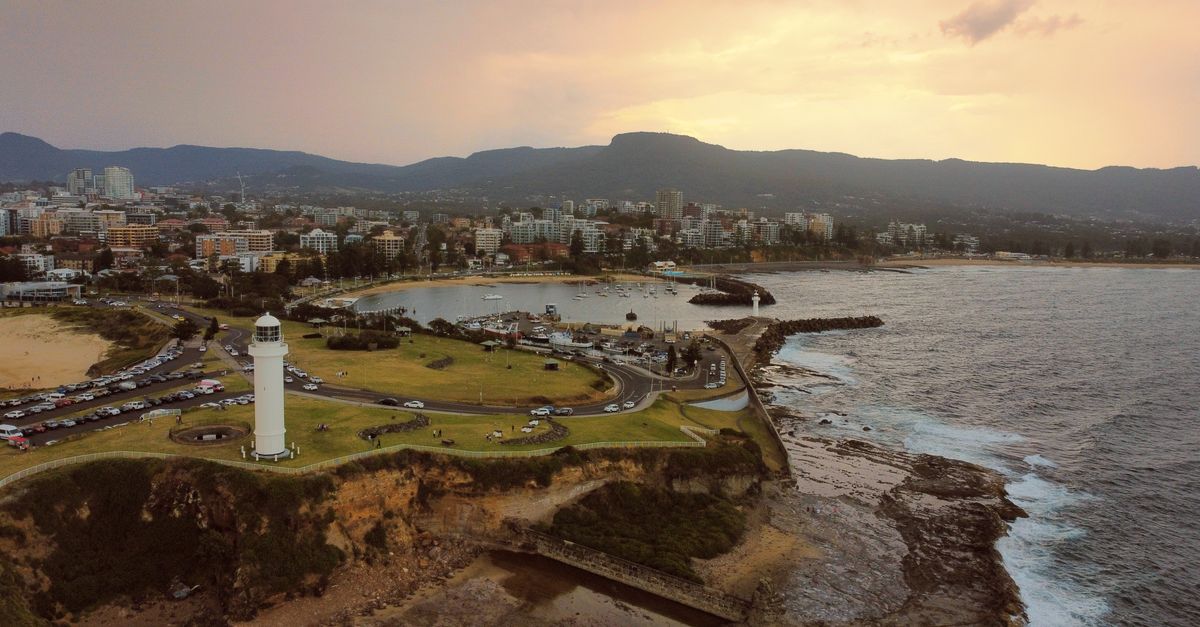
Central Coast Council exited state administration in June 2024 after three years under external oversight, a step that followed cumulative deficits built up since at least 2016.
The timing matters because housing demand from Sydney commuters has risen sharply while flood mapping updates and transport upgrades remain incomplete, leaving ratepayers to fund catch-up works in 2026 and beyond.
Route to oversight and reform
State-appointed administrators took charge in 2021 after auditors flagged repeated failures to balance budgets on projects such as the Mann Street streetscape upgrades in Gosford CBD and drainage works around Tuggerah Lake. Earlier decisions to defer maintenance at Erina Fair precinct and delay contributions to regional road funds left the council with limited reserves when COVID-era revenue dipped.
Those choices reflected a longer pattern of growth without matching infrastructure levies, as population along the Pacific Highway corridor expanded faster than contributions from new subdivisions in Woy Woy and Kariong.
Numbers behind the shift
Council records show net debt stood at $118 million by the close of the 2020-21 financial year, with annual interest payments exceeding $4.2 million. By the March 2026 quarterly report, that figure had fallen to $71 million after asset sales and rate rises averaging 6.8 percent per year since 2023. Median detached house prices in the Gosford postcode reached $925,000 in the March quarter, up 14 percent from the same period in 2024, according to CoreLogic data cited in council briefings.
Residents seeking updates on the next stage of Gosford CBD works can review the July project timeline on the Central Coast Council website or attend the ordinary meeting scheduled for 28 July at the Gosford administration building on Mann Street.