news
Central Coast’s Neighborhood Growth: A Local Approach Amid Global Comparisons
As cities worldwide grapple with development pressures, the Central Coast’s renewal strategy blends local priorities with lessons from abroad.
How we reported this
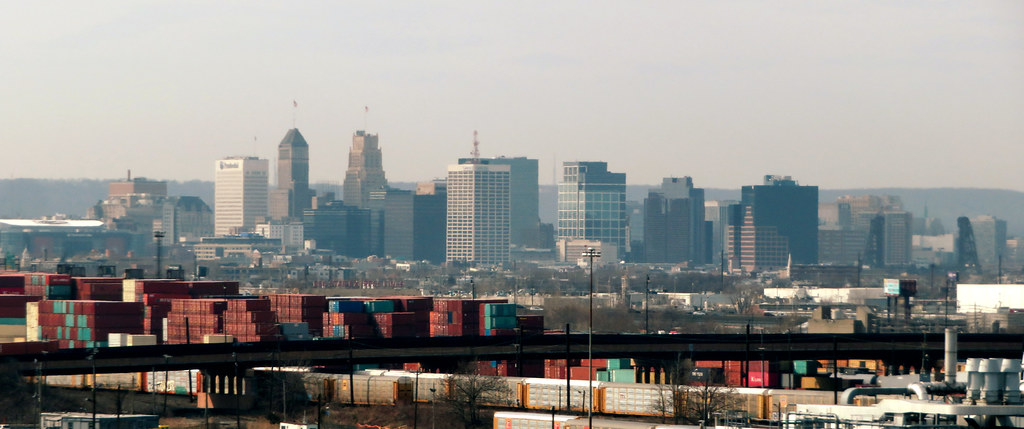
In the past year, the Central Coast Council has approved over 350 new residential and mixed-use developments, reflecting an accelerated push to accommodate population growth while reviving underutilized areas like Gosford CBD and Woy Woy Waterfront.
This surge in neighborhood developments arrives as the region faces mounting challenges linked to housing affordability, climate resilience, and infrastructure demands. With Sydney commuters seeking more affordable living options, the Central Coast’s growth trajectory has become a key focus for planners and policymakers balancing economic opportunity against environmental and social sustainability.
A Tailored Redevelopment Strategy
The Central Coast Council’s Neighborhood Renewal Program, launched in late 2024, aims to revitalize precincts such as Mann Street in Gosford and Blackwall Reach beside Brisbane Water. Both areas combine residential, retail, and public spaces to foster walkability and community connection, drawing inspiration from similar-sized cities like Halifax in Canada and Portsmouth in the UK that also emphasize mixed-use urban infill.
Integral to these efforts is the Central Coast Council’s partnership with the University of Newcastle, which provides research support on sustainable urban design and climate adaptation measures suited to local wetlands and flood plains-a crucial consideration given the region’s recent history of flash flooding events in 2025.
Meanwhile, transport upgrades, including the $480 million fast rail project linking the Central Coast to Sydney, under construction since March 2026, promise to ease commuting pressures and encourage demand for neighborhood-scale retail and services near train hubs.
Data Drives Development Decisions
Recent data underscores the urgency driving the Central Coast’s approach. Median house prices along the coast climbed 12% year-on-year to $790,000 as of June 2026, compared to Sydney’s median of $1.4 million, sparking increased residential infill to moderate housing market pressures.
According to Central Coast Council’s latest urban planning report, approximately 42% of new developments approved since January 2025 prioritize affordable housing units or incorporate sustainable design features such as solar panels and rainwater harvesting systems-higher than comparable regional cities where these features appear in fewer than 30% of new projects.
Public feedback collected throughout 2025 shows a strong community preference for incremental neighborhood renewal over large-scale high-rise developments, influencing the council’s decision to limit new building heights to four storeys in key heritage areas of Gosford and East Gosford.
In contrast, cities like Portland, Oregon, and Eindhoven in the Netherlands have adopted higher-density zoning to manage growth but struggle with maintaining local identity and vehicle traffic levels, challenges the Central Coast hopes to avoid through its more measured approach.
Stakeholders across Central Coast real estate, planning, and community organisations emphasize the importance of balancing growth with green space preservation, a strategic priority integrated into local development codes since mid-2025.
Looking Ahead: What Residents Should Know
Projects currently in planning stages include a new mixed-use precinct around Gosford Station, slated to begin construction in early 2027, aiming to add around 150 affordable housing units and new commercial spaces within walking distance of transport links.
Residents interested in participating in public consultations or obtaining updates on neighborhood development plans can access detailed proposals through the Central Coast Council’s Engage platform or attend upcoming town hall meetings at the Laycock Street Community Centre.
For those contemplating property investment or relocation, the Central Coast's evolving neighborhoods offer more integrated community amenities and improved connectivity compared to many regional counterparts, though buyers should remain aware of incremental infrastructure rollouts tied to large projects like the fast rail.
Ultimately, the Central Coast’s strategy reflects a deliberate middle path, emphasizing steady, sustainable neighborhood growth informed by global examples but deeply attuned to local needs and character.