news
Central Coast Property Photos: Duplicate Images Plague Market This Year
Duplicate and recycled listing images are clouding the region's property market at the worst possible time, and the decisions made in coming months will shape how buyers and renters navigate an already stretched housing market.
How we reported this
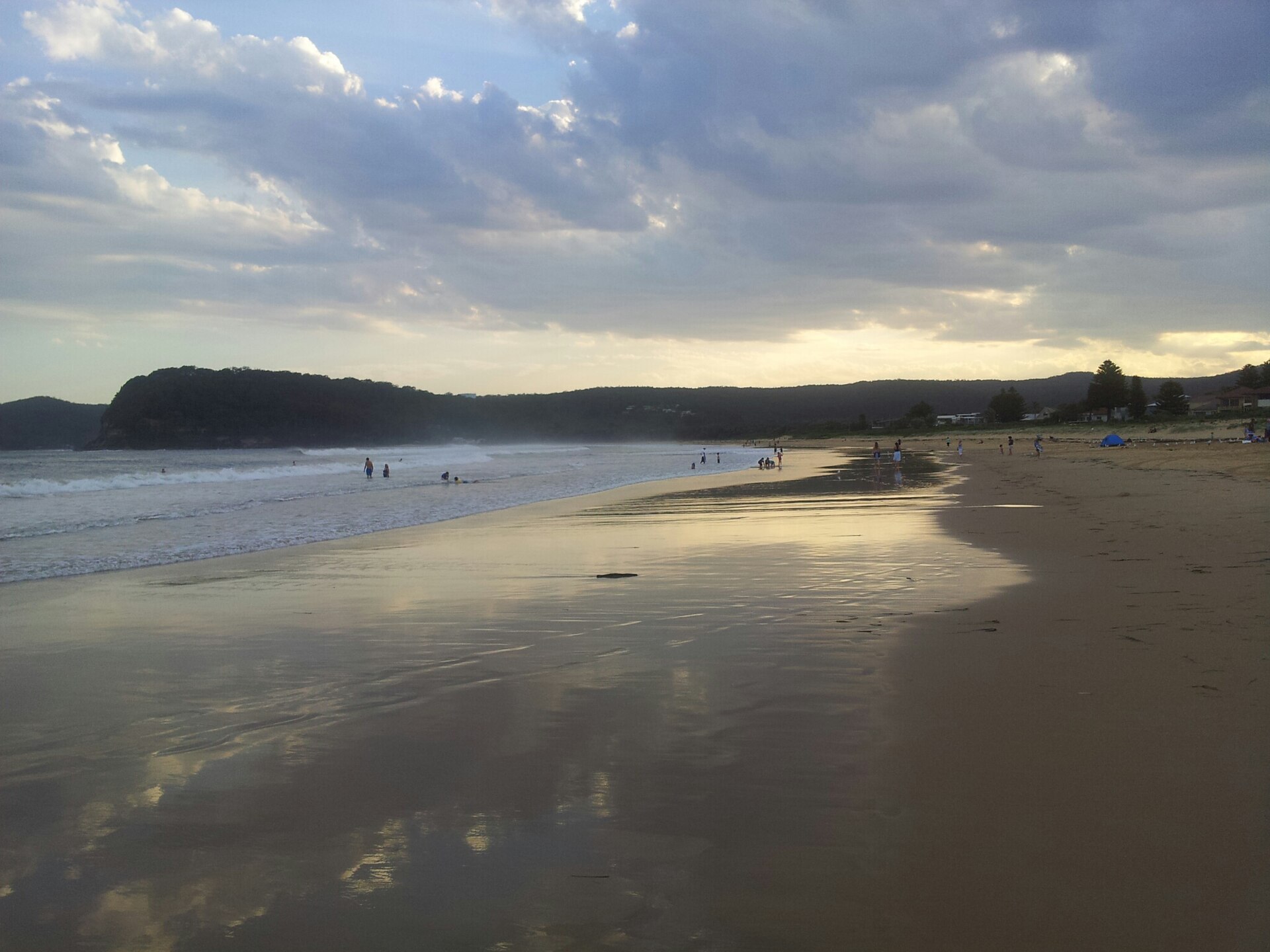
Property listings across the Central Coast are carrying a hidden problem. Real estate portals and agency websites serving suburbs from Gosford to Wyong are increasingly flagged for duplicate and recycled listing photographs, images reused across multiple properties, sometimes years apart, raising serious questions about transparency in one of NSW's most pressured housing markets.
The timing matters. The Central Coast's median house price has tracked well below Sydney's for years, drawing first-home buyers and renters priced out of the city. But that affordability draw has intensified scrutiny on how the local market presents itself. When a photograph of a renovated kitchen in East Gosford appears simultaneously on a Tuggerah townhouse listing and an older Woy Woy rental advertisement, it signals a quality-control failure that erodes buyer confidence at exactly the moment the region needs credibility.
Where the Problem Sits, and Who Is Watching
The issue is not unique to the Central Coast, but local conditions amplify its effects. Central Coast Council, which emerged from state administration in 2021 after a financial crisis that left ratepayers carrying a debt load running into hundreds of millions of dollars, has been rebuilding community trust slowly. The council's ongoing work on the Gosford CBD renewal precinct, centred along Mann Street and the Leagues Club Field site, depends partly on attracting investors and developers who rely on accurate market information. Muddied listing data, including duplicate images that misrepresent a property's true condition or location, feeds directly into that uncertainty.
NSW Fair Trading holds oversight over real estate agent conduct under the Property and Stock Agents Act 2002, and the agency has the power to investigate misleading representations in property advertising. Complaints can be lodged online through Service NSW. The Real Estate Institute of NSW also maintains a professional standards framework that member agents are expected to follow, including rules around accurate property representation.
On the rentals side, the pressure is acute. Vacancy rates across the Central Coast have sat below two per cent for extended periods since 2021, according to publicly available data from SQM Research, making the rental market among the tightest in regional NSW. When prospective tenants travel from Sydney to inspect a property on Pacific Highway at Wyong or near Gosford train station, only to discover the listing photographs bear no resemblance to the actual premises, the financial and logistical cost falls entirely on them.
The Decisions That Will Define the Next Six Months
Several pressure points are converging. NSW Parliament's ongoing review of rental sector reforms, including proposals tightened after advocacy from tenants' groups, could see new obligations placed on agents to verify listing imagery before publication. If those reforms pass in their current form, Central Coast agencies with large rental portfolios would face compliance deadlines likely falling in early 2027.
The two major listing portals operating nationally are also under growing pressure to implement automated duplicate-image detection. Both realestate.com.au and Domain have the technical infrastructure to run hash-based image comparison across their databases; whether they commit to mandatory screening, rather than relying on user reports, is a commercial decision each company will face as regulatory scrutiny increases.
For buyers and renters operating in the Central Coast market right now, the practical steps are limited but real. Cross-referencing listing photographs against reverse-image search tools takes under two minutes and can surface recycled images sourced from other suburbs or earlier campaigns. Requesting a live video walkthrough before committing to an inspection, now a standard post-pandemic expectation, gives prospective tenants and buyers a baseline to compare against still photography.
Central Coast Council's planning department is also expected to publish updated guidelines for the Gosford CBD renewal precinct later in 2026. Accurate and verifiable property representation will be embedded in that process, particularly for off-the-plan sales where buyers cannot physically inspect what they are purchasing. Those guidelines will set a local benchmark that the broader market will watch closely.
The broader question, whether voluntary industry action or regulatory compulsion drives the clean-up, remains open. But the Central Coast's particular mix of housing pressure, post-administration institutional sensitivity, and rapid population growth from Sydney commuters means the region has less tolerance than most for a problem that, in the end, comes down to whether a photograph tells the truth.