news
Stolen Identities, Copied Listings: Central Coast Residents Speak Out on Property Photo Fraud
Fake real estate listings using duplicated property images are circulating across rental platforms, and Central Coast renters say the damage runs deeper than a lost holding deposit.
How we reported this
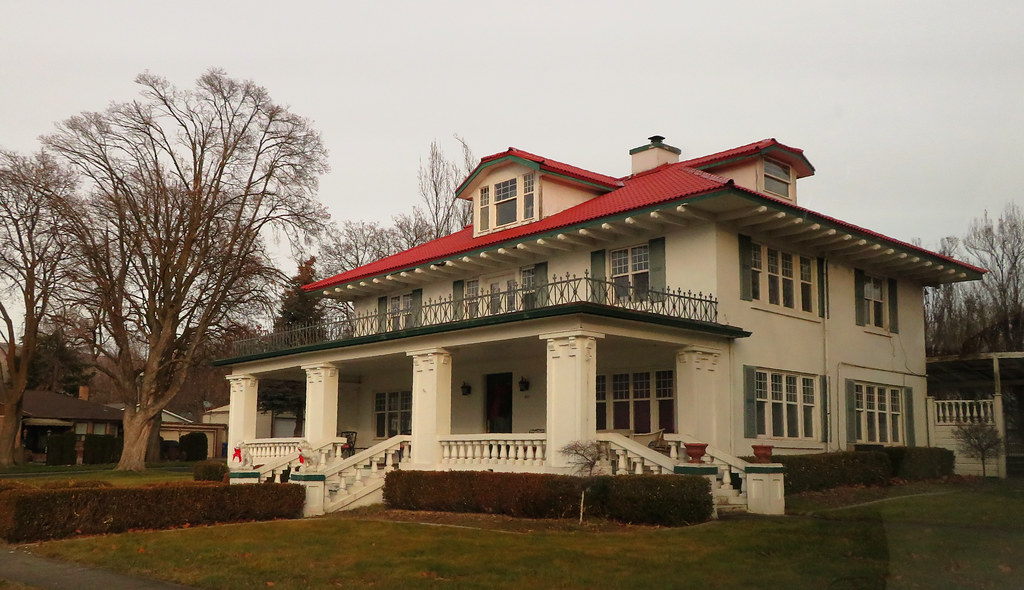
Rental scammers are lifting photographs from legitimate property listings across the Central Coast and reposting them as fraudulent ads, leaving prospective tenants hundreds or thousands of dollars out of pocket. The practice, known in consumer protection circles as duplicate image fraud, is hitting particularly hard in a region where housing pressure has pushed renters to act fast or miss out entirely.
The timing matters. Sydney recorded its hottest June in more than 160 years this week, and the knock-on effect of climate and cost-of-living anxiety is pushing more people out of the inner city and toward the Coast. That demand spike is precisely the environment scammers exploit. When a two-bedroom unit in Gosford or Wyoming is gone within 48 hours of listing, renters know they can't afford to be cautious, and fraudsters know it too.
The Coast's Rental Crunch Creates the Perfect Target
Affected residents in suburbs including Woy Woy, Umina Beach and Erina have taken to local community groups on social media to share screenshots of suspicious listings. The pattern is consistent: professional photos taken from an existing or recently-concluded listing on a major portal, republished under a different agent name and a lower-than-market weekly price, with requests for a bond and first month's rent paid by direct transfer before any inspection is offered.
Community advocacy group Central Coast Tenants Advice and Advocacy Service, which operates out of Gosford, has been fielding increased inquiries about the issue through 2025 and into 2026. The service provides free advice to tenants across the Central Coast local government area, and its intake records, not publicly released in full, give an indication of the scope of concern among locals. NSW Fair Trading, the state body responsible for investigating property fraud and licensing real estate agents, maintains a public scam alert register that lists duplicate listing fraud as one of its active warning categories.
The median asking rent for a three-bedroom house on the Central Coast sat at around $620 per week in early 2026, according to property data tracked through platforms including Domain. A typical bond for such a property would therefore reach $2,480 under the standard four-week calculation set out in the NSW Residential Tenancies Act 2010. That is the sum residents say they are losing before they realise the listing was never real.
What Residents Say, and What They're Being Told to Do
Residents sharing their experiences online describe a predictable emotional arc: excitement at finding an affordable listing near Gosford train station or close to schools in Kariong, urgency when a landlord claims multiple applicants are competing, then confusion when an inspection never materialises, followed by the realisation the photos match a property that sold or rented months earlier on a legitimate platform.
NSW Fair Trading advises renters to run a reverse image search on every property photo before transferring money, and to verify the listing agent's licence number against the publicly searchable Professional Register on its website. The agency also recommends never paying a bond or rent before physically attending an inspection and receiving a signed tenancy agreement.
The Central Coast Council does not regulate real estate advertising directly, but its community services directorate has flagged housing stress as a priority issue in the region's Community Strategic Plan through to 2032. Residents who believe they have been defrauded are urged to lodge a report with NSW Fair Trading and, where a financial loss has occurred, contact NSW Police through their local station, the nearest for Gosford CBD is Gosford Police Station on Donnison Street.
Renters who have paid money to a fraudulent listing are also eligible for a free case assessment through LawAccess NSW, the state government's legal assistance service. The Tenants' Union of NSW, which publishes a free factsheet on rental scams, recommends applicants request a video call inspection showing the interior in real time if an in-person visit is impossible before a decision is required.
The listings are not slowing down. Until platform providers implement systematic duplicate-detection tools at the point of submission, something consumer groups have been calling for, the burden of checking remains squarely on the renter least able to afford the mistake.