news
How Central Coast Council Went from Insolvency to Ambition: The Long Road Back
Five years after the state government sacked elected councillors and sent in administrators, the Central Coast is still living with the consequences, and the decisions being made now will shape the region for a generation.
How we reported this
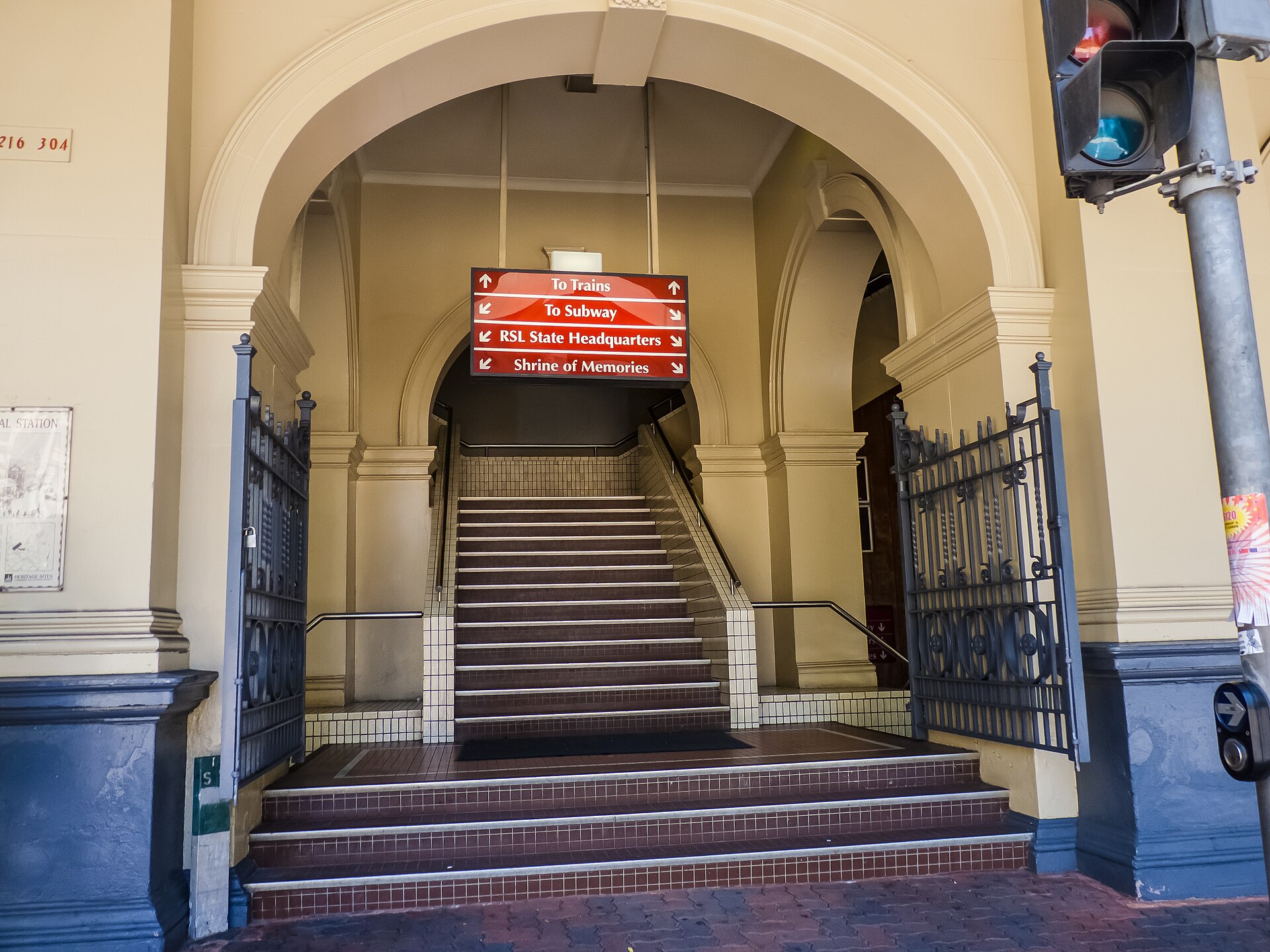
Central Coast Council is, technically, functioning again. Elected representatives sit in the chamber at Gosford's Central Coast Council Administration Building on Mann Street. Committees meet. Development applications get processed. But scratch the surface of almost any local policy debate in 2026, housing density, flood planning, the stalled Gosford CBD renewal, and you find the same fault line: the institution nearly destroyed itself in 2020, and the rebuild is nowhere near complete.
That context matters right now because the council is heading into a budget and planning cycle that will lock in decisions on infrastructure, zoning, and housing supply through to at least 2031. State and federal money is on the table. The Minns government's Housing and Productivity Contribution framework is adding pressure on councils across NSW to hit dwelling targets. For a region that has spent half a decade in fiscal crisis management, the timing is brutal.
How the Crisis Happened, and What It Cost
The collapse was fast. In October 2020, then-administrator Dick Persson revealed the council had effectively been running two separate sets of financial records, with operational funds raided to cover capital works. The shortfall was initially estimated at $89 million. By the time forensic accountants finished, the figure had blown out to more than $565 million in total liabilities when long-term debt and unfunded asset maintenance were counted together.
The state government appointed a sole administrator, initially Persson and later Rik Hart, who ran the council without elected representatives from October 2020 through to the September 2021 local government elections. That 12-month period of unelected control saw the council sell assets, cut staff, and restructure loan arrangements with the NSW Treasury Corporation. It also saw community consultation on everything from Gosford Waterfront to the Wyong town centre essentially freeze. Projects that had been years in the making simply stopped.
The Gosford Revitalisation program, which had been championed by bodies including the Hunter and Central Coast Development Corporation, was particularly hard hit. The proposed activation of the Mann Street and Kibble Park precinct, including proposals for a performing arts venue and private residential towers, stalled as both developer confidence and council capacity evaporated simultaneously.
Where Things Stand in Mid-2026
The council's most recent annual financial report, for the 2024-25 financial year, showed an operating deficit of approximately $14 million, an improvement on the $56 million deficit recorded in 2020-21, but still not the sustained surplus required to be considered financially healthy under the Office of Local Government's own benchmarks. The council's debt to the NSW Treasury Corporation still sits above $450 million.
Meanwhile, the region's population continues to grow. The Australian Bureau of Statistics estimated the Central Coast's population at roughly 345,000 in 2024, with the Gosford and Wyong local areas absorbing significant numbers of people priced out of Sydney. Median house prices across the region held around $850,000 through early 2026, down from the peak but still far above what many service workers, nurses, and teachers can afford, the exact cohort the region depends on to function.
Development applications are piling up in areas around Warnervale and Hamlyn Terrace in the north, and around Gosford and Kariong in the south. Flood overlay maps, updated after the 2022 disasters that inundated parts of Tuggerah and Mannering Park, are now triggering objections and delays on dozens of residential applications. The council's planning department, thinned out during the austerity years, is processing applications more slowly than at any point in the past decade.
The practical upshot for residents and anyone watching council chambers: the next six months will be decisive. The council's Integrated Planning and Reporting framework requires a revised Delivery Program to be tabled before the end of 2026. Community members can make submissions through the council's Your Voice Our Coast engagement portal. Anyone with a stake in what Gosford's waterfront looks like in 2030, or whether their street floods with a one-in-50-year rainfall event, should not wait to find out what the council decides. Those decisions are being made now, quietly, in exactly the kind of policy vacuum that got the region into trouble in the first place.