news
Council at the crossroads: the decisions that will define Central Coast's next decade
With a multi-million dollar budget under review and the Gosford CBD revival still unfinished, councillors face a string of high-stakes votes before Christmas that will shape housing, transport and services across the region.
How we reported this
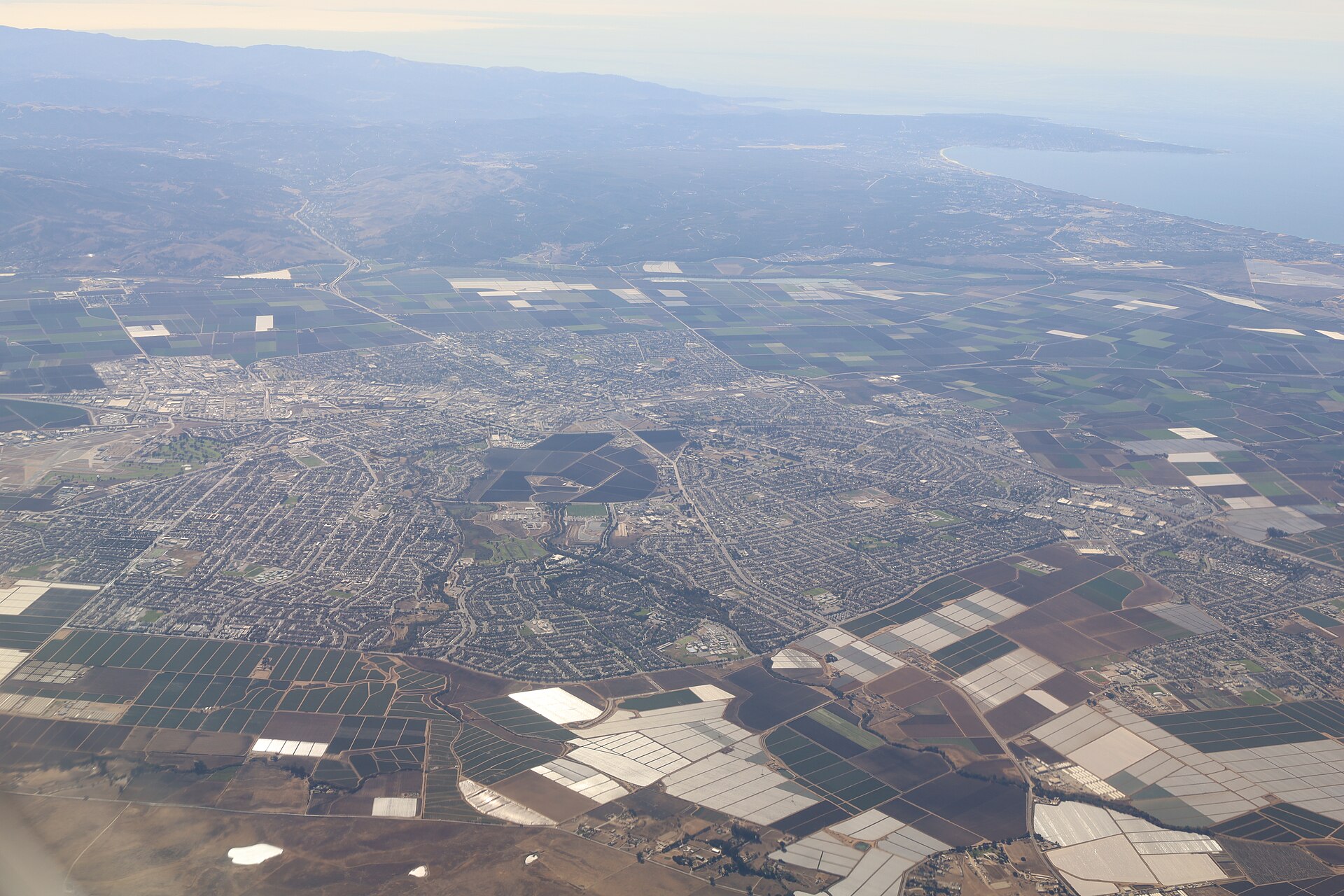
Central Coast Council goes back to the table this month with its 2026-27 operational plan still drawing community fire, a stalled waterfront precinct in Gosford, and a housing pipeline that analysts say is running well behind what a growing population demands. The decisions made between now and December will determine whether the Coast capitalises on softening property prices, the median house price across the local government area has retreated to around $880,000, down from a 2022 peak, or watches another cohort of would-be buyers and renters give up and head elsewhere.
The pressure is sharper now because Council only emerged from state-appointed administration in late 2022 after a near-insolvency crisis that cost ratepayers roughly $565 million in debt. General manager accountability structures put in place under that recovery period expire in stages through late 2026, handing elected councillors progressively more independent authority, and responsibility, than they have had in four years. Every major vote from here carries more weight than it did twelve months ago.
Gosford waterfront and the housing supply crunch
The Gosford CBD renewal program, anchored around the Leagues Club Field site on Dane Drive and the broader Central Precinct running back toward Mann Street, remains the single biggest test of the current council term. A rezoning proposal covering roughly 4.2 hectares near the Gosford train station was submitted to the NSW Department of Planning in February and has not yet received a determination. Until it does, several medium-density residential projects, some offering units in the $550,000 to $690,000 range targeted at first-home buyers, sit in a holding pattern.
Central Coast Community Housing, which manages more than 600 social and affordable dwellings across the region, has flagged to council that its waitlist has climbed to above 1,100 households. The organisation has been lobbying for inclusion covenants in any new Gosford precinct approvals, requiring a minimum ten percent of units to be priced at affordable rent levels. Council's planning committee is scheduled to consider that framework at its August ordinary meeting, a vote that will set the tone for every significant development application that follows.
Meanwhile, the Wyong Town Centre revitalisation strategy, which targets the Pacific Highway corridor between Wyong Road and the Wyong train station, has moved slower than the council's own 2024 delivery timeline projected. Two anchor commercial tenancies in the council-owned Hely Street building have been vacant since mid-2025. Officers are due to report back on marketing outcomes in September.
What comes next, and when
Three dates matter most in the second half of 2026. The operational plan amendment, which includes a proposed 5.9 percent rate increase on top of the government-mandated peg, goes to a public hearing on July 22 at the Central Coast Regional Library on Gosford's Central Coast Highway. Submissions close July 18. The state government's fast rail feasibility study, covering the Gosford-to-Sydney corridor, is expected to land before the end of the September quarter, and councillors will need to formally respond with a funding advocacy position before the NSW budget cycle opens.
The third pivot point is the review of the council's Local Housing Strategy, due to be finalised by November. That document sets dwelling targets suburb by suburb through to 2041 and will either lock in or open up land around growth corridors like Warnervale, Hamlyn Terrace and Charmhaven, areas where infrastructure constraints, particularly sewerage capacity managed through Hunter Water's network boundaries, have throttled approvals for years.
Residents wanting to shape any of these decisions have a narrow window. The planning committee agenda is published five days before each meeting on the council website, and the next ordinary council meeting is July 28 at the Wyong Council Chambers on Hely Street. The rate submission portal is open now. After July 18, the community voice on that particular question goes quiet until the next budget cycle, which, given the council's recent history, is not a cycle anyone on the Coast can afford to sit out.