lifestyle
A Renewed Waterfront: Why Central Coast Residents Are Falling for Their Own Backyard Again
From the revitalized boardwalks of Terrigal to the influx of independent artisan trade, the Coast is undergoing a decisive shift in its urban character.
How we reported this
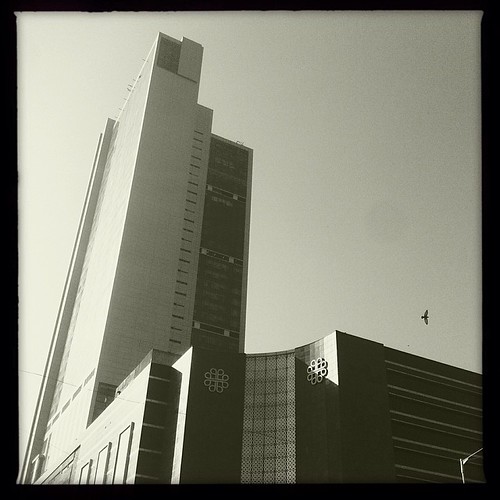
The Central Coast is experiencing a measurable pivot in its local lifestyle economy, marked by a surge in weekend foot traffic and new commercial occupancy rates across major coastal hubs. On July 5, 2026, the visible shift away from suburban stagnation toward a more interconnected urban identity became clear, with parking demand in key precincts peaking significantly higher than the three-year rolling average.
The Shift to Pedestrian-Centric Living
This transformation is anchored by the recent completion of the Terrigal Esplanade upgrade project, which replaced aging pavement with wider, safer pedestrian walkways. Locals have increasingly gravitated toward the Terrigal Hotel and the adjacent small-batch coffee roasters that now line the strip, abandoning the car-dependent habits of the previous decade. By prioritizing foot traffic over parking density, council planning has shifted the area toward a European-style street culture that encourages lingering rather than just passing through.
The change extends beyond just infrastructure. In Gosford, the arrival of new creative studios at the intersection of Mann Street and Donnison Street has injected a different demographic into the CBD. These hubs now serve as the primary workspace for a growing cohort of remote professionals who relocated here permanently between 2024 and 2026. Data published by the Central Coast Council suggests that commercial tenancy rates in the Gosford city center increased by 14 percent over the last fiscal year, reflecting a migration of professional services out of Sydney and into purpose-built local office suites.
Value and Community in the Artisan Economy
Residents are also seeing a change in the cost of local leisure, with high-quality, mid-range dining options replacing the previous concentration of chain establishments. The recent opening of independent bakeries in Avoca Beach and Umina-specializing in sourdough and specialty pastries-has shifted local spending patterns. A standard breakfast outing now averages between $22 and $28, a price point that locals seem willing to absorb in exchange for localized, artisanal quality that was largely unavailable in the region prior to early 2025.
For those looking to get involved, the immediate future of the Coast looks geared toward further density in its urban cores. The regional planning board has indicated that the next phase of the Waterfront Revitalization Plan will break ground in October 2026, targeting the expansion of ferry terminal facilities to better link Woy Woy to the northern corridors. Residents interested in tracking these updates should monitor the Central Coast Council’s public register for upcoming consultation dates regarding the new foreshore zoning amendments. Planning for the spring season suggests that infrastructure improvements will continue to be the primary focus of local investment throughout the remainder of the calendar year.