finance
Gold surges, oil slides and equities push higher, but Central Coast investors face a year of uncomfortable trade-offs
A fractured global signal, risk assets rallying while gold hits US$4,187 an ounce, captures the unresolved headwinds confronting local shareholders, superannuation members and property owners on the Central Coast in 2026.
How we reported this
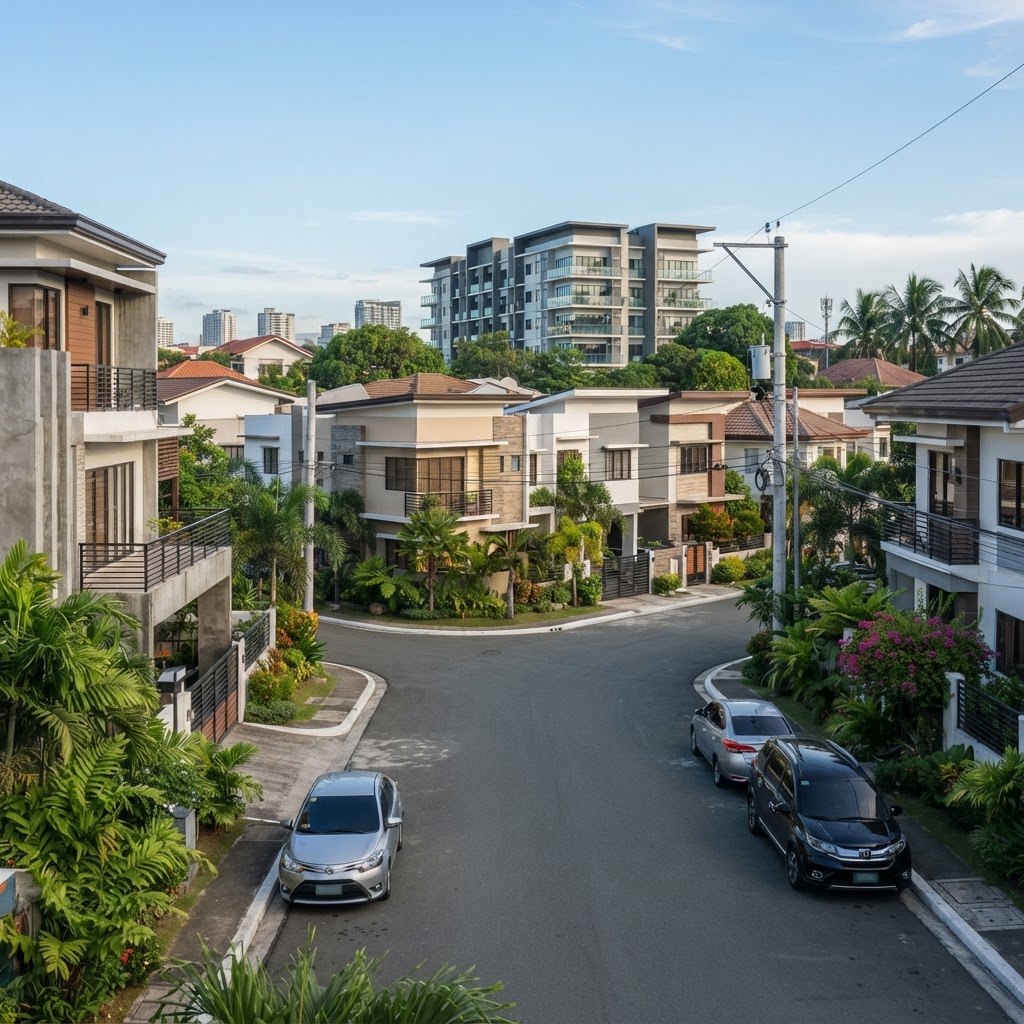
Gold at US$4,187 an ounce is not a reassuring number. It is, historically, a distress signal wearing a bull-market costume. On Saturday the precious metal surged 4.10 per cent in a single session, even as the S&P 500 climbed 1.71 per cent to 7,483 and the Nasdaq Composite jumped 1.87 per cent to 25,833. The ASX 200 added 0.92 per cent to close at 8,844, and the Australian dollar firmed to US69.43 cents. For Central Coast investors, whose household wealth is disproportionately tied up in ASX-listed equities, big-four bank shares and industry superannuation funds, that simultaneous surge in both growth assets and safe havens tells a story about a market that has not yet resolved which direction it is truly heading.
The tension is not abstract. Locally, the Central Coast's investor base skews toward retirees and pre-retirees with substantial superannuation balances, many holding balanced and growth-oriented funds with significant Australian equities exposure. Those funds have benefited from the ASX's run to the high 8,000s this year, but the same portfolios carry meaningful allocations to REITs, infrastructure and domestic banks, each of which faces its own specific headwind in the second half of 2026. The big four banks, ANZ, Commonwealth, NAB and Westpac, have been navigating a mortgage book under pressure as the Reserve Bank of Australia's rate cycle has left household debt-servicing costs elevated, and any sign that arrears are creeping higher will weigh on dividends that many Central Coast retirees depend on for income.
The property angle compounds the picture. Nationally, commentary this week pointed to Australia's housing market cooling, with first-home buyer activity described as notably subdued. On the Central Coast, that shift is tangible. The region experienced an outsized run-up in residential values during the pandemic-era migration boom, and affordability has not recovered. A softening in clearance rates and longer days on market has begun to unsettle local sentiment, particularly for investors who took on debt at the top of the cycle to purchase investment properties in suburbs from Terrigal to Woy Woy. With the cash rate still restrictive in real terms, the refinancing pressure on those loans is not easing quickly.
Oil's slide and the energy cost squeeze
WTI crude dropped 2.78 per cent to US$68.78 a barrel on Saturday, which in isolation looks like relief for petrol-dependent households and transport-heavy businesses on the Central Coast. The catch is that the fall is being driven partly by demand concern rather than supply management, and a global growth slowdown is a far worse outcome for Central Coast investors than a few cents off at the bowser. Locally, the region's significant exposure to energy infrastructure through superannuation fund holdings in listed utilities means a protracted softening in energy commodity prices would flow through to earnings and distributions. Separately, reports of ongoing dysfunction in standalone and off-grid power systems in regional Australia have drawn attention to the gap between clean-energy policy ambitions and the practical reliability of infrastructure, a concern with resonance for households and small businesses across the Coast's semi-rural corridors.
Bitcoin's 4.72 per cent gain to US$62,835 on Saturday adds another layer of complexity for a reader cohort that includes a growing number of self-managed superannuation fund trustees on the Central Coast who have been increasing exposure to digital assets over the past two years. The asset class remains volatile enough to move more than four per cent in a single session, and the correlation between Bitcoin and broader risk sentiment has not been consistent enough to treat it as either a hedge or a growth allocation with confidence. SMSF trustees in particular should note that a single-session spike of this magnitude is entirely consistent with a broader reversal in the weeks that follow.
The Australian dollar's move to US69.43 cents, up 0.68 per cent, reflects some return of risk appetite and commodity support, but the currency remains well below the levels that make offshore earnings translations comfortable for ASX-listed companies with meaningful US dollar revenues. For locally based shareholders in global businesses listed on the ASX, a persistently weak Australian dollar provides a partial cushion, but it also raises the cost of any offshore asset purchases, including international ETF allocations increasingly popular in Central Coast SMSF portfolios.
The honest assessment for Central Coast investors is that the headline index numbers in the first week of July 2026 look constructive, but the composition of what is driving them, defensive metals, liquidity-sensitive crypto and US mega-cap technology, suggests a market priced for multiple outcomes simultaneously. Building exposure to any single thesis here carries more risk than the ASX's headline gain implies. Reviewing asset allocation, checking bond and cash weightings within superannuation, and pressure-testing mortgage serviceability assumptions against a scenario where rates stay on hold well into 2027 are not pessimistic exercises. They are the basic discipline this kind of market demands.
This article is general information only and is not personal financial or investment advice. Consider your own circumstances and seek licensed professional advice before making financial decisions.