culture
Behind Central Coast Book Clubs: The People Who Built the Scene
Individuals who started informal gatherings years ago turned personal passions into the regular readings and clubs that now define local literary life.
How we reported this
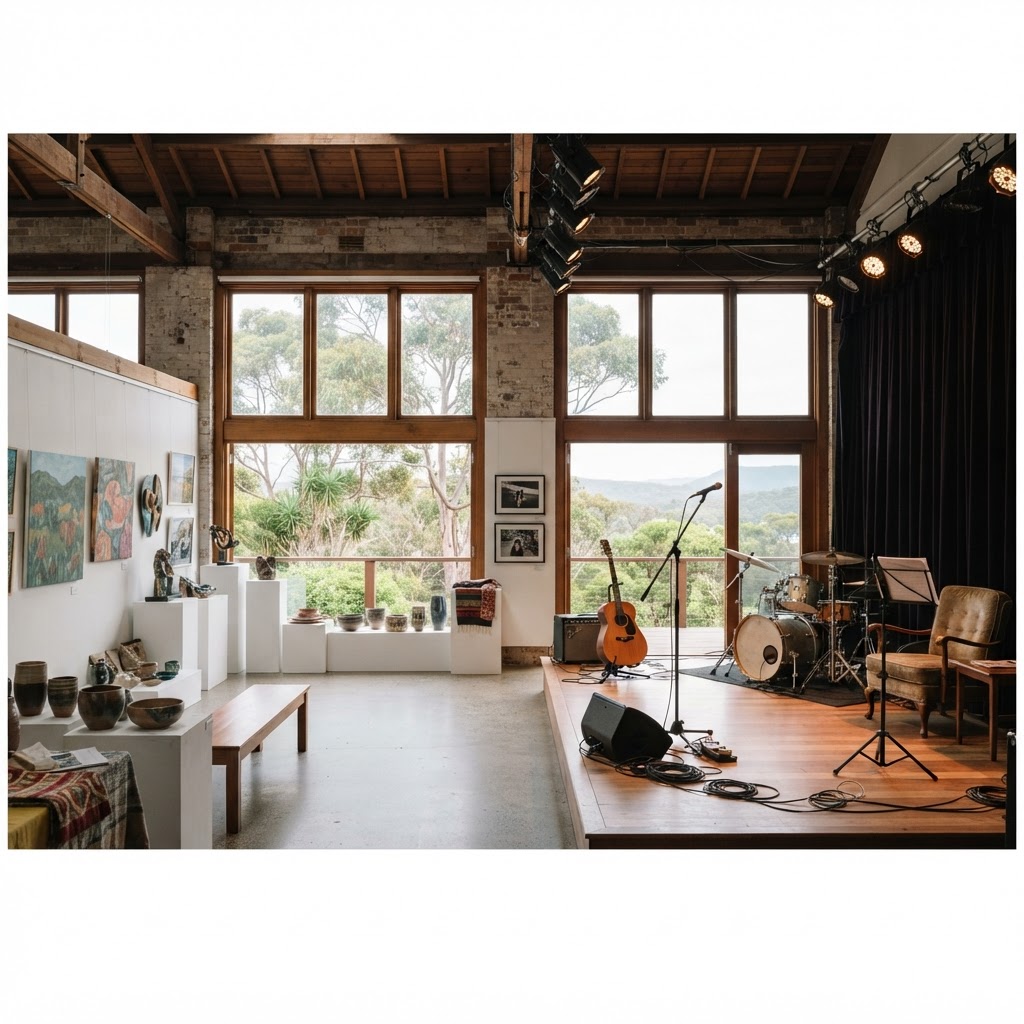
Residents who wanted more than solitary reading began the book clubs and public sessions that operate across the Central Coast today. They started with small invitations and consistent effort rather than large announcements.
These efforts stand out because they created ongoing spaces for discussion at a moment when many people seek direct conversation about books instead of online summaries. The creators focused on simple logistics such as finding a steady room and setting a monthly date, which allowed groups to form without outside funding or promotion.
Personal decisions that grew into regular events
One resident might clear space in a living room and suggest a single title for the first meeting. Another contacts a neighborhood cafe to reserve tables on the same evening each month. These choices, made separately by different people, produced overlapping schedules that now let participants move between groups. The pattern repeats because each organizer keeps the same routine rather than expanding into bigger productions.
Readings followed the same path. Someone who enjoyed performing passages aloud asked permission to use a community hall once a quarter. Others joined after hearing about the session through word of mouth. The result is a calendar of events that runs on volunteer time and borrowed spaces instead of paid staff or ticket sales.
Why the same faces keep the groups going
Consistency comes from the people who treat the clubs as part of their weekly schedule. They prepare discussion points, remind members by phone or email, and arrive early to arrange chairs. New participants appear because those core organizers continue without interruption. The scene therefore rests on repeated individual actions rather than any single large project.
Qualitative accounts from participants describe the same sequence: an initial invitation, a few steady meetings, and then gradual growth through personal recommendations. No central registry tracks every group, yet the pattern of small starts leading to repeated sessions appears across different neighborhoods.
Anyone looking to join can check bulletin boards at libraries or cafes for posted meeting times. Local online community pages also list contact details for existing organizers. Those steps connect interested readers to the people who already maintain the clubs.