Community
Central Coast Wine: The Growing Wine Region in Sydney's Backyard
The cool climate elevations of the Central Coast hinterland are producing impressive wines.
Community
The cool climate elevations of the Central Coast hinterland are producing impressive wines.

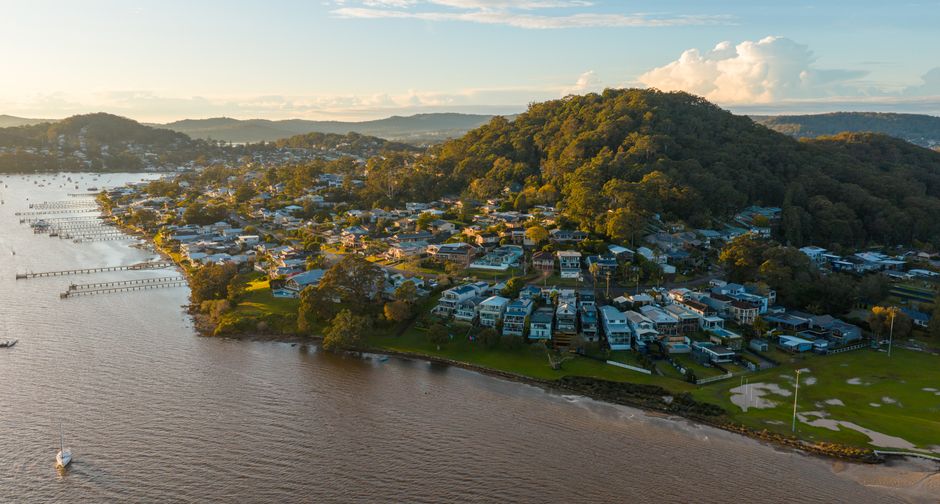
The Central Coast wine region, the geographical indication that covers the wine-producing areas of the Gosford, Wyong, and the Mangrove Mountain plateau hinterland, is one of the smaller and less-known wine regions in New South Wales but one whose cool climate elevations, the granite and clay soils of the plateau country, and the proximity to the Sydney and Central Coast population create the combination of wine quality and market access that the producers who have established vineyards in the region have been building on. The region's cooler temperatures at the plateau elevations above the coastal humidity produce the wine styles that the current market's preference for cool-climate aromatics rewards.
Mangrove Mountain, the plateau community above the Central Coast's coastal plain at approximately 350 metres elevation, is the centre of the Central Coast wine region's production, with several vineyards producing the Chardonnay, Pinot Noir, and the aromatic varieties that the altitude and the aspect of the plateau's north-facing slopes bring to optimal ripeness. The cellar door experiences that the plateau wineries provide, with the views east to the coast and the cooler temperatures that the altitude sustains even in summer, create the wine tourism destination that the Sydney and Central Coast day tripper market has been discovering.
The food tourism opportunity that the Central Coast wine region creates, combining the cellar door wine experience with the farm gate produce of the Mangrove Mountain horticulture and the historic Somersby Orange World and the Central Coast's broader agricultural sector, supports the day trip tourism circuit that wine and food visitors can follow through the hinterland above the coastal communities. The circuit's accessibility from Sydney by road creates the catchment that the relatively small production volumes of the Central Coast wine region can sustain through quality and experience rather than quantity.
The wine region's development trajectory, with new plantings responding to the market interest that the existing producers have generated and the growing recognition that the Central Coast elevation provides conditions that few other Sydney-adjacent wine regions can match, suggests the continued expansion of the viticulture footprint on the plateau. The opportunity to build a wine tourism economy that complements the beach and lake tourism of the coast and the heritage tourism of the Heritage Valley area provides the diversification that the Central Coast tourism industry's strategic planning has identified.
This article was compiled by AI from the sources linked above and screened before publishing. See our editorial standards.
About this article
Published by The Daily Central Coast
More from Central Coast