Community
The Watagan Mountains: Central Coast's Green Hinterland
The national parks and state forests behind the coast provide world-class bushwalking terrain.
Community
The national parks and state forests behind the coast provide world-class bushwalking terrain.
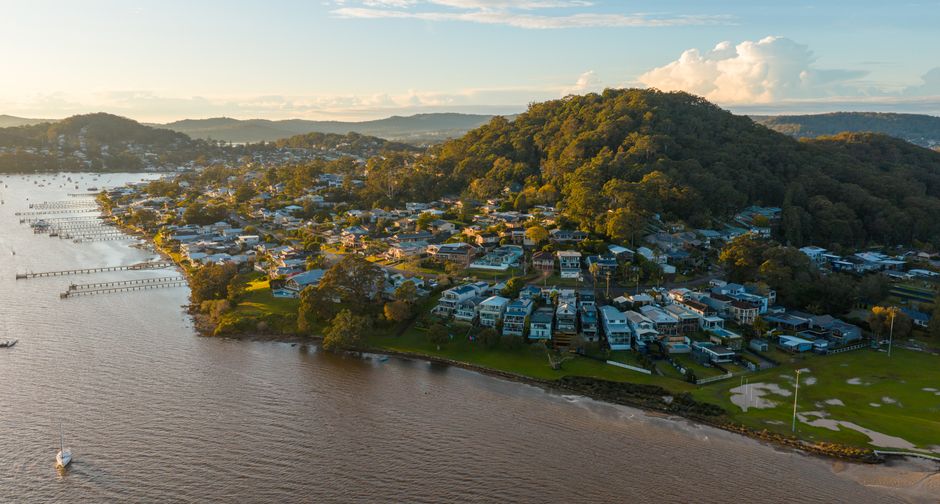
The Watagan Mountains and Watagan National Park form the green backdrop to the Central Coast, visible from the coastal towns as a constant presence that defines the region's geography and provides the water catchments that supply the urban areas on the coastal strip. The mountains' elevation, reaching over 400 metres in places, provides a climate noticeably cooler than the coast, with morning mist and afternoon cloud that sustains the wet sclerophyll forests that distinguish the area from the drier vegetation communities of lower elevations.
The walking tracks in Watagan National Park traverse terrain that ranges from ridge walks with coastal views to rainforest gully descents where the vegetation communities of the wet forest provide a dramatically different environment from the eucalypt woodland that dominates most of the park. The combination of vegetation diversity and topographic variety makes the park rewarding for repeated visits, with different conditions across seasons providing different wildlife and wildflower experiences.
Heaton Lookout and the other elevated viewpoints accessible by road within the mountains provide panoramic views of the coast and the lowland terrain between the escarpment and the sea. The views, accessible to visitors who are not prepared for extended bushwalking, provide a sample of the landscape that encourages further engagement with the national park's walking track network.
The state forests adjacent to Watagan National Park, including parts of the Olney State Forest, support timber production that generates some community sensitivity given the adjacency to protected national park and the visibility of harvest operations from the road network. The management of the transition between production forest and protected area reflects the broader land management tensions that characterise the NSW north coast hinterland.
This article was compiled by AI from the sources linked above and screened before publishing. See our editorial standards.
About this article
Published by The Daily Central Coast
More from Central Coast