business
Central Coast Market Trends and What Businesses Need to Know Right Now
Local operators confront slower foot traffic and shifting consumer spending patterns tied to regional property values.
How we reported this
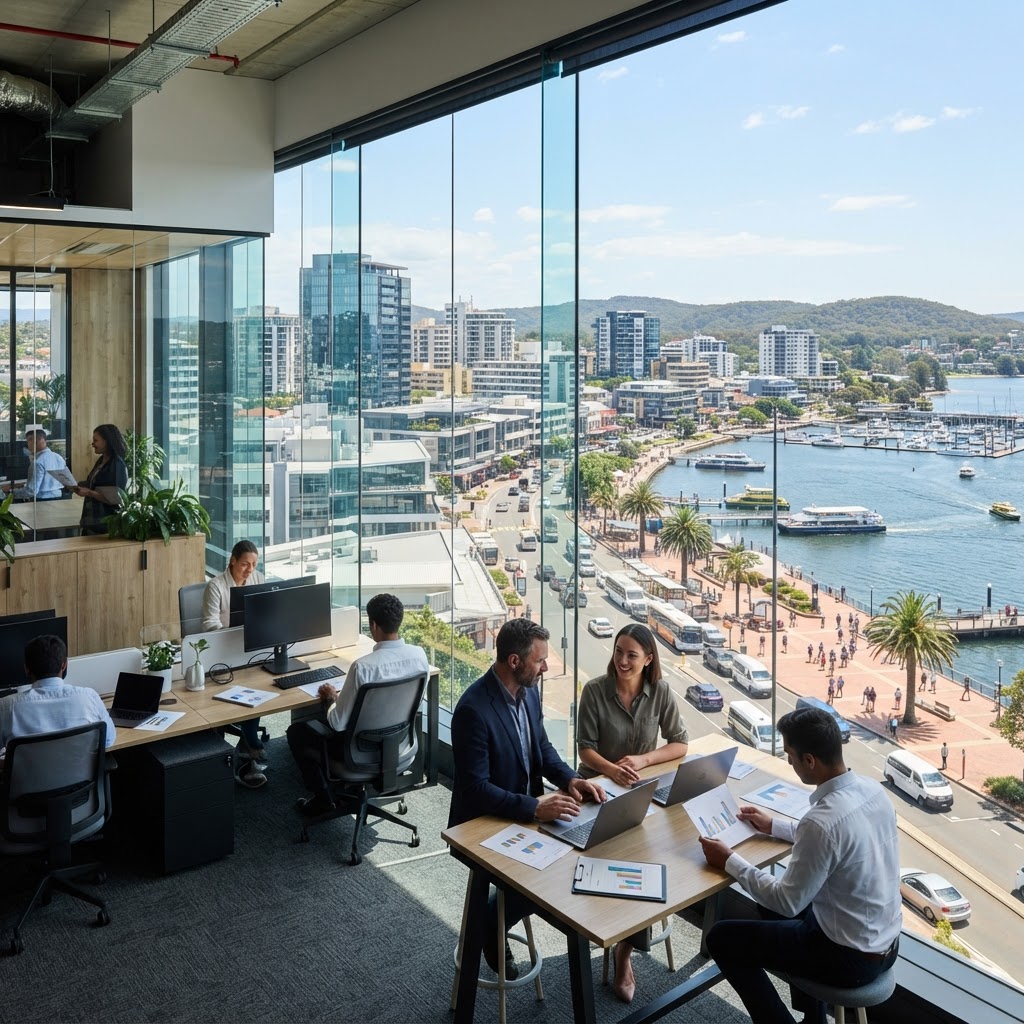
Commercial vacancy rates along the Central Coast Highway fell to 4.8 percent in the June quarter of 2026, driven by renewed interest from food and beverage tenants in the Tuggerah area.
The decline matters now because falling home prices have reduced household wealth in the region, pushing residents to cut discretionary spending at the same time that online competition from platforms like Temu continues to erode sales for physical retailers.
Two sites show the pattern clearly. At Erina Fair, three new casual dining outlets opened in the past month while two apparel stores closed their doors. Further north on Mann Street in Gosford, the Central Coast Business Chamber recorded twelve lease renewals at reduced rates between April and June.
Retail and Consumer Spending Patterns
A report released on 3 July by the Australian Bureau of Statistics put Central Coast retail turnover at $1.87 billion for the March quarter, down 2.3 percent from the same period in 2025. The largest drop appeared in clothing and footwear categories, where sales fell 9 percent year-on-year.
Operators at The Entrance markets reported average daily takings of $1,240 per stall in June, compared with $1,480 twelve months earlier. Several stallholders have begun offering click-and-collect options to offset the shortfall.
Operational Costs and Next Steps
Electricity and wage costs remain elevated. The average small business on the coast now pays $2,850 per month for power, according to June invoices reviewed by the Wyong Chamber of Commerce. Staff retention has grown harder as competing employers in Newcastle offer higher hourly rates.
Firms that review their supplier contracts and test targeted digital promotions before the September quarter ends stand the best chance of protecting margins through the slower winter months.