finance
Property slowdown, AI disruption and a housing squeeze: What Central Coast residents need to understand right now
From cooling auction results to digital scams and rising land competition, the forces reshaping Australian cities are hitting close to home on the Coast.
How we reported this
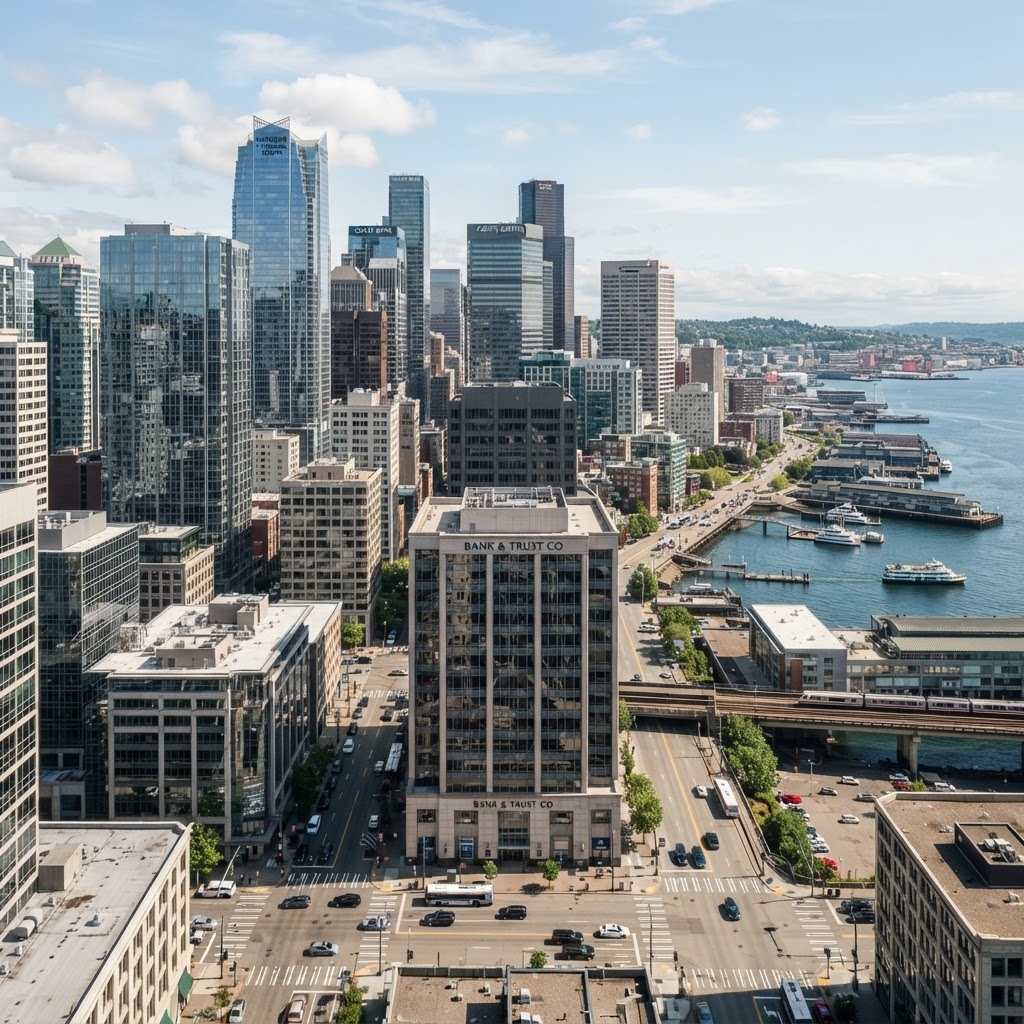
The Central Coast property market is softening faster than many owners expected. Auction clearance rates across Greater Sydney and its satellite cities have slipped below 60 percent in recent weeks, and estate agents working the Gosford and Tuggerah corridors are reporting longer days-on-market figures than at any point since mid-2023. For residents trying to buy, sell or simply understand what their suburb is worth, the picture is more complicated than headlines suggest.
Three separate pressures are converging at once. Investors, who drove much of the Coast's price growth between 2021 and 2024, are retreating, spooked by land tax changes that took effect in Victoria and are being closely watched by NSW Treasury. At the same time, artificial intelligence is reshaping the digital economy in ways that carry direct consequences for local households: from social-media fraud targeting small business owners to a national scramble for industrial land that could eventually limit new housing supply in growth corridors like Warnervale and Hamlyn Terrace.
What the property shift means for Coast households
The Gosford CBD apartment market, which saw median unit prices climb to around $680,000 in late 2024, has given back roughly four to five percent of that gain since February, according to figures circulating among local valuers and cited in Central Coast Council planning submissions. First-home buyers have not rushed in to fill the gap left by departing investors. Mortgage serviceability at current interest rates, the Reserve Bank held the cash rate at 3.85 percent at its June board meeting, still makes a $600,000 purchase on an average Coast wage of around $85,000 a year extremely tight.
For renters, the cooling sales market offers little immediate relief. The rental vacancy rate across the Central Coast LGA sat at 1.2 percent as of the May 2026 data published by the Real Estate Institute of NSW, well below the 3 percent level considered balanced. Landlords who bought at peak prices are passing holding costs on. Anyone renting near Erina Fair or along the Mann Street retail strip in Gosford should expect lease renewals in coming months to test that pressure directly.
Central Coast Council's Housing Strategy, which targets 27,000 new dwellings across the LGA by 2041, remains the framework locals should understand. Approvals are running behind schedule, partly because rezoning decisions around the Warnervale employment lands are being complicated by competing demand from logistics operators and, increasingly, from data centre developers who need large flat sites with reliable power connections. That national trend, flagged by infrastructure economists in submissions to the federal government this week, is acutely relevant here, where available industrial zoned land is finite and planning decisions made in the next 18 months will shape housing supply for a decade.
Scams, AI and what small businesses on the Coast need to watch
The mass removal of AI-generated fake accounts from Meta platforms this week is not an abstract tech story. The Entrance Chamber of Commerce and the Gosford Business Improvement District have both fielded complaints in 2026 from local traders whose Facebook business pages were cloned by automated impersonators, accounts designed to divert customer enquiries and, in some cases, collect deposits for goods that never arrive. Residents should verify any Coast business account that contacts them through direct message, particularly those offering trades services or accommodation bookings.
The practical checklist is short. Check the page creation date on any Facebook or Instagram business profile, legitimate local traders typically have years of post history. Cross-reference phone numbers against the business's own website. If you are a small business owner, contact Service NSW's Small Business Connect program, which has an office at 4 Watt Street, Gosford, and has run digital fraud awareness sessions for Coast operators through the first half of 2026.
The broader economic backdrop, a NSW Government committing $1.2 billion to train manufacturing in the Hunter, shifting public investment northward, is worth watching for Coast residents too. Improved rail infrastructure through Gosford and Wyong stations has been a consistent ask from business groups, and any momentum in regional manufacturing investment from Canberra and Macquarie Street tends to sharpen those conversations. Keep an eye on what the next state budget says about transport corridors. That is where the next round of local property and business decisions will start to take shape.
This article is general information only and is not personal financial or investment advice. Consider your own circumstances and seek licensed professional advice before making financial decisions.